World
Trump Announces Tariffs on Dozens of Nations Over Forced Labor Concerns
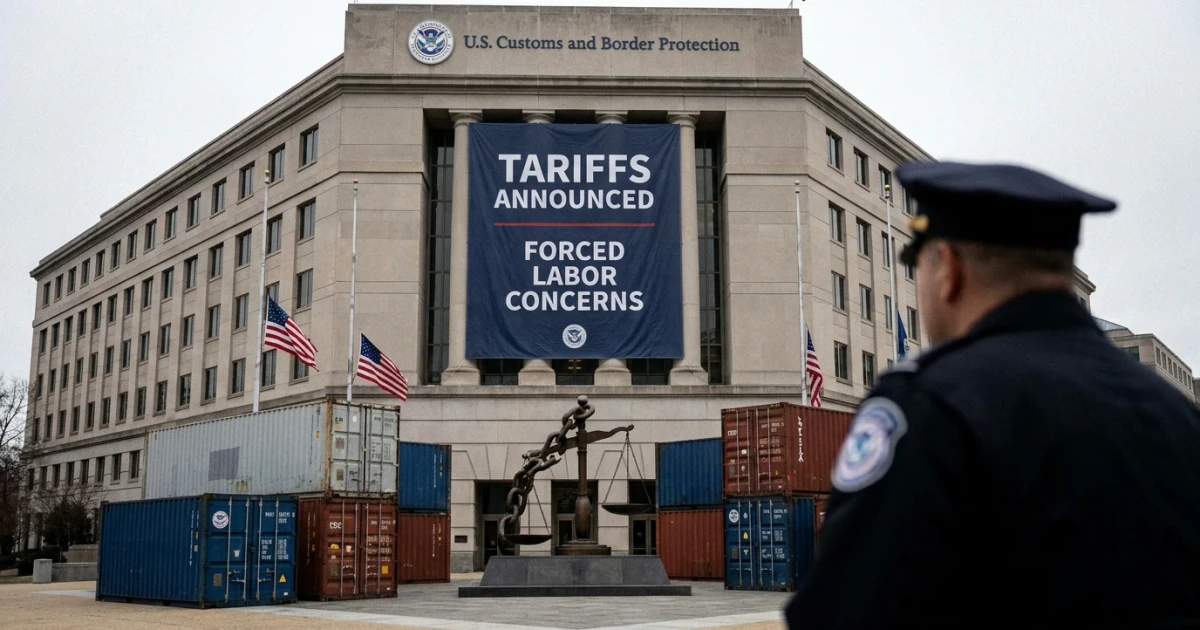
Former President Donald Trump is moving ahead with a sweeping plan to impose new tariffs on dozens of countries, citing forced labor concerns as the primary justification for the measures. The initiative, first reported by The Washington Post, represents a significant escalation in the U.S. approach to global trade and labor enforcement.
Policy Shift Targets Forced Labor in Global Supply Chains
The new tariffs will affect products from a wide range of nations, with the Trump campaign framing the move as a crackdown on goods allegedly produced using forced labor. According to The Washington Post, the administration plans to implement the tariffs on sectors where forced labor has been documented or suspected, including textiles, electronics, and agriculture.
- The announcement comes amid renewed scrutiny of global supply chains and their links to labor abuses, with the U.S. Department of Labor regularly publishing lists of goods associated with forced or child labor.
- Trump’s policy would expand the use of trade barriers as a tool for labor enforcement, a practice previously limited to targeted bans and sanctions enforced by agencies such as U.S. Customs and Border Protection.
- This approach is expected to impact both direct imports and products with complex, multinational supply chains.
Tariffs to Affect Dozens of Countries
The scope of the new tariffs is notable for its breadth. While the exact list of affected countries has not yet been published, The Washington Post reports that the measures could apply to "dozens of nations." This would mark a significant expansion from previous U.S. tariffs, which typically targeted individual countries or sectors.
Trump officials argue that broadening the policy will deter companies from sourcing goods linked to forced labor and encourage better labor practices overseas. The move has drawn both support and criticism from various stakeholders:
- Supporters see it as a long-overdue effort to enforce ethical standards in global commerce.
- Critics warn of potential trade disruptions, retaliatory tariffs, and higher prices for American consumers.
Economic and Trade Implications
Imposing tariffs on such a wide scale is likely to have significant economic consequences. Tariffs are essentially taxes on imported goods and can lead to higher costs for manufacturers and consumers. According to the U.S. International Trade Commission, the U.S. imports a substantial volume of goods from countries with documented forced labor risks each year. The World Trade Organization’s international trade statistics show that textiles, electronics, and agricultural products are among the top categories affected by forced labor allegations.
Analysts note that if tariffs are broadly applied, supply chains could shift as companies seek to avoid affected countries or pay higher import duties. This could create both opportunities and challenges for domestic industries:
- Some U.S. manufacturers may benefit from reduced competition.
- Others may struggle with increased costs for components and materials.
- Consumers could see higher prices on everyday goods, depending on the products targeted.
Legal and Diplomatic Ramifications
While the Trump administration is framing the move as a moral imperative, it also raises questions about World Trade Organization rules and international trade norms. The use of tariffs as a labor enforcement tool is relatively rare, and some trading partners may challenge the measures as violations of existing trade agreements.
Diplomatically, the policy is likely to generate friction with both allies and adversaries. Some nations may view the move as an attempt to unilaterally impose U.S. standards on their domestic industries. Others may cooperate or respond with their own import restrictions.
Looking Ahead
The Trump administration’s tariff plan signals a more aggressive use of trade policy to address labor rights, reflecting growing bipartisan concern over forced labor in global supply chains. The full impact of these measures will depend on their scope, implementation, and the responses of affected countries and industries.
As the policy takes shape, businesses, workers, and consumers alike will be watching closely to see whether the tariffs can effectively address forced labor concerns without triggering broader economic fallout.