World
Trump Announces Three-Day Russia-Ukraine Ceasefire
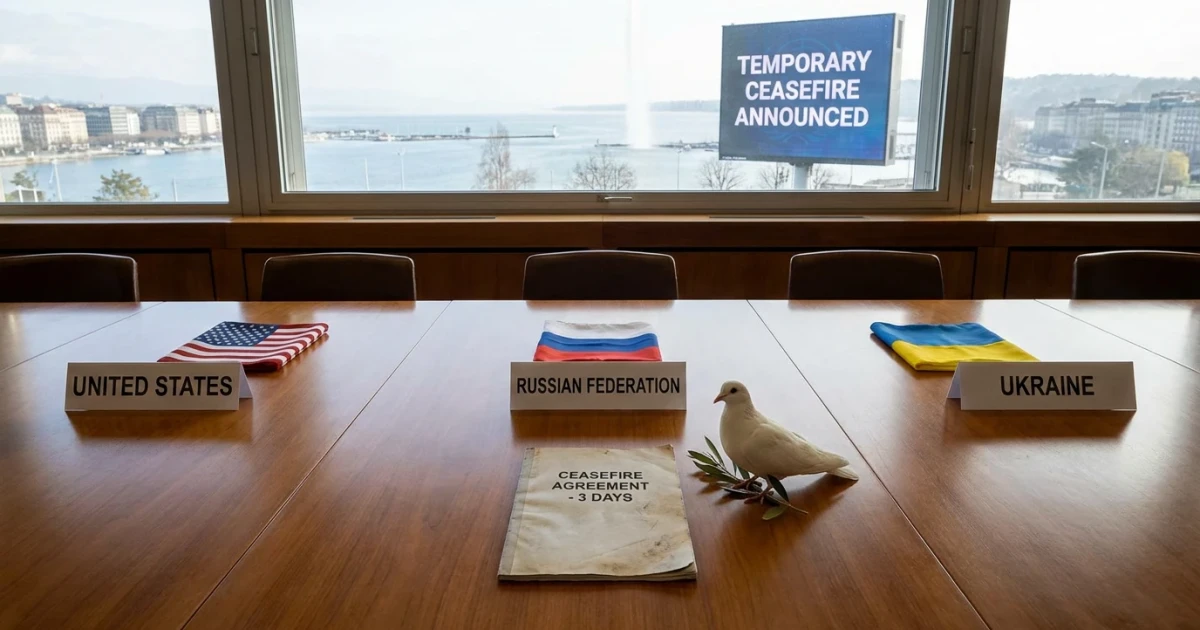
Donald Trump announced a three-day ceasefire in the ongoing Russia-Ukraine war, marking a significant pause in hostilities and prompting fresh speculation about prospects for peace in the region. The announcement, first reported by AP News and echoed by The Economic Times, comes amid mounting international pressure for a resolution to the conflict and humanitarian concerns for civilians affected by the war.
Ceasefire Announcement Details
On May 8, 2026, former U.S. President Donald Trump revealed what he described as a "surprise" ceasefire agreement between Russian and Ukrainian forces. According to AP News, the ceasefire is set to last three days, offering a temporary halt to fighting across key contested areas. The Economic Times framed the move as potentially "the beginning of the end of war," reflecting optimism among some international observers that the pause could open the door to further negotiations.
- Duration: Three days, starting immediately upon announcement
- Participants: Russian and Ukrainian armed forces
- Purpose: Reduce civilian casualties and allow humanitarian access
Reactions from Ukraine and International Community
Ukrainian President Volodymyr Zelenskiy confirmed the U.S.-brokered ceasefire, as reported by AP News, but neither source provided details on official statements from Russia. While the Economic Times suggested cautious optimism among some Ukrainian officials, both reports noted that previous ceasefire attempts have often failed to hold amid complex front-line dynamics.
International humanitarian agencies have welcomed the pause, hoping it will provide much-needed relief for civilians and allow for expanded aid operations. Recent humanitarian situation reports highlight ongoing challenges, including displacement and restricted access to basic supplies.
Context and Background
The Russia-Ukraine conflict has persisted for more than two years, with multiple failed ceasefire agreements documented in the PA-X Peace Agreements Database. Previous pauses in fighting have been short-lived, with violations often reported by monitors such as the OSCE Special Monitoring Mission. The current ceasefire, facilitated by Trump, is the latest in a series of efforts to reduce violence and encourage dialogue.
According to statistical data, the war has resulted in tens of thousands of casualties and millions of displaced persons. Humanitarian needs remain acute, with ongoing concerns about access to food, medical care, and safe shelter for civilians caught in the conflict zone.
Implications and Next Steps
While the ceasefire has been broadly welcomed, analysts caution that lasting peace will require sustained negotiation and compromise. The Economic Times emphasized that many in Ukraine view the current pause as a test of Russian willingness to engage in meaningful talks, rather than a definitive end to the conflict.
Observers will closely monitor implementation and potential violations through official reports and humanitarian assessments. If the ceasefire holds, it may pave the way for renewed diplomatic efforts, including possible participation from international mediators and organizations.
- Ceasefire records and daily updates available via OSCE reports
- Historical agreements and analysis accessible in the PA-X Peace Agreements Database
- Latest humanitarian statistics from UNHCR reflect ongoing needs
Looking Ahead
As the three-day ceasefire unfolds, the international community remains watchful. Success could catalyze more comprehensive talks and a broader peace process, but the fragility of past agreements tempers expectations. For civilians and aid organizations on the ground, even a brief pause in fighting provides crucial respite.