World
Trump announces U.S.-Iran deal as details remain unclear
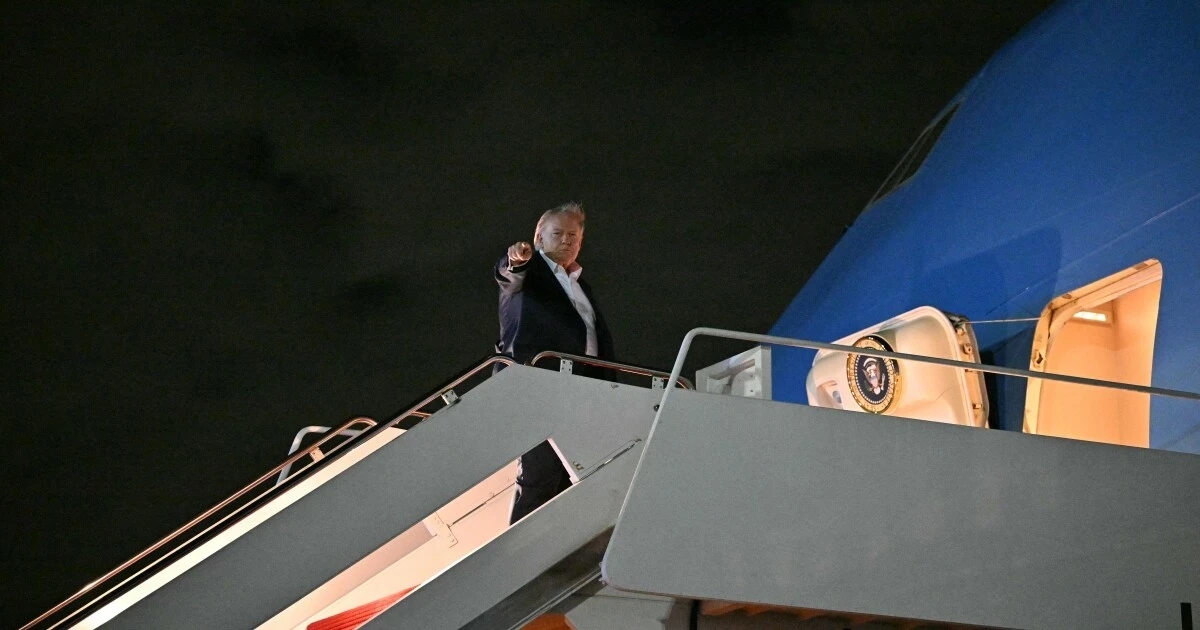
President Donald Trump said a U.S.-Iran deal would reopen the Strait of Hormuz, but the terms remain unclear and Iran is already pushing back on what that means in practice. Pakistan’s prime minister, Shehbaz Sharif, said the two sides were expected to sign the agreement at a ceremony in Switzerland on Friday, June 19, while Iranian officials signaled that any reopening could still leave Tehran in charge of the waterway.
The uncertainty centers on a draft memorandum that, according to people familiar with the talks, called for a 60-day ceasefire extension and an end to military operations on all fronts, including Lebanon. The draft also said Iran would not develop nuclear weapons and would dispose of its enriched uranium stockpile. The latest proposal added a process to reopen Hormuz, unfreeze some Iranian assets held in foreign banks, and keep negotiations going.
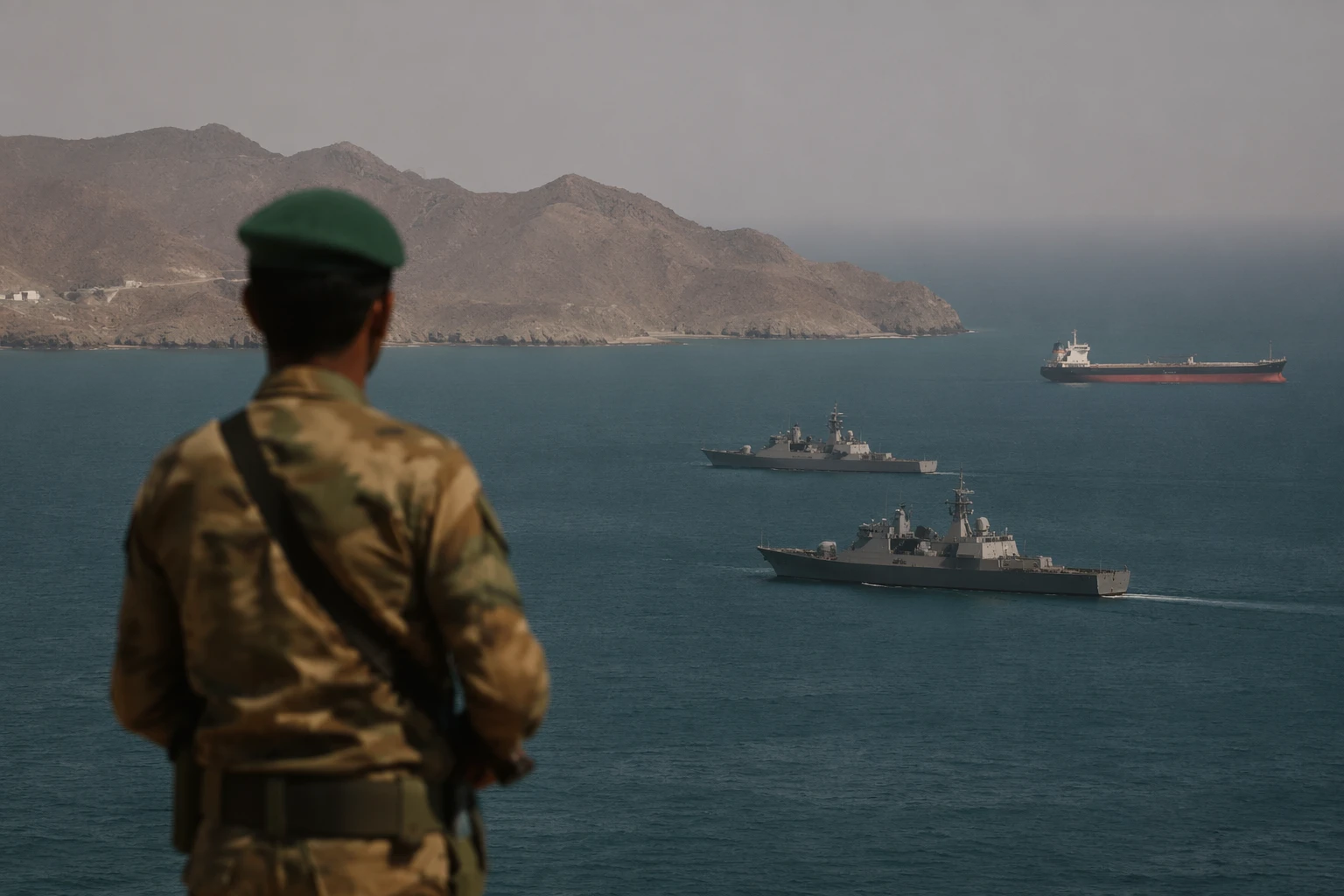
That matters because the Strait of Hormuz is the most important oil chokepoint in the world. In 2024 it carried an average of 20 million barrels a day, roughly one-fifth of global petroleum liquids consumption. It also handled more than one-quarter of global seaborne oil trade and about one-fifth of global LNG trade, including about 9.3 billion cubic feet per day of Qatari LNG.
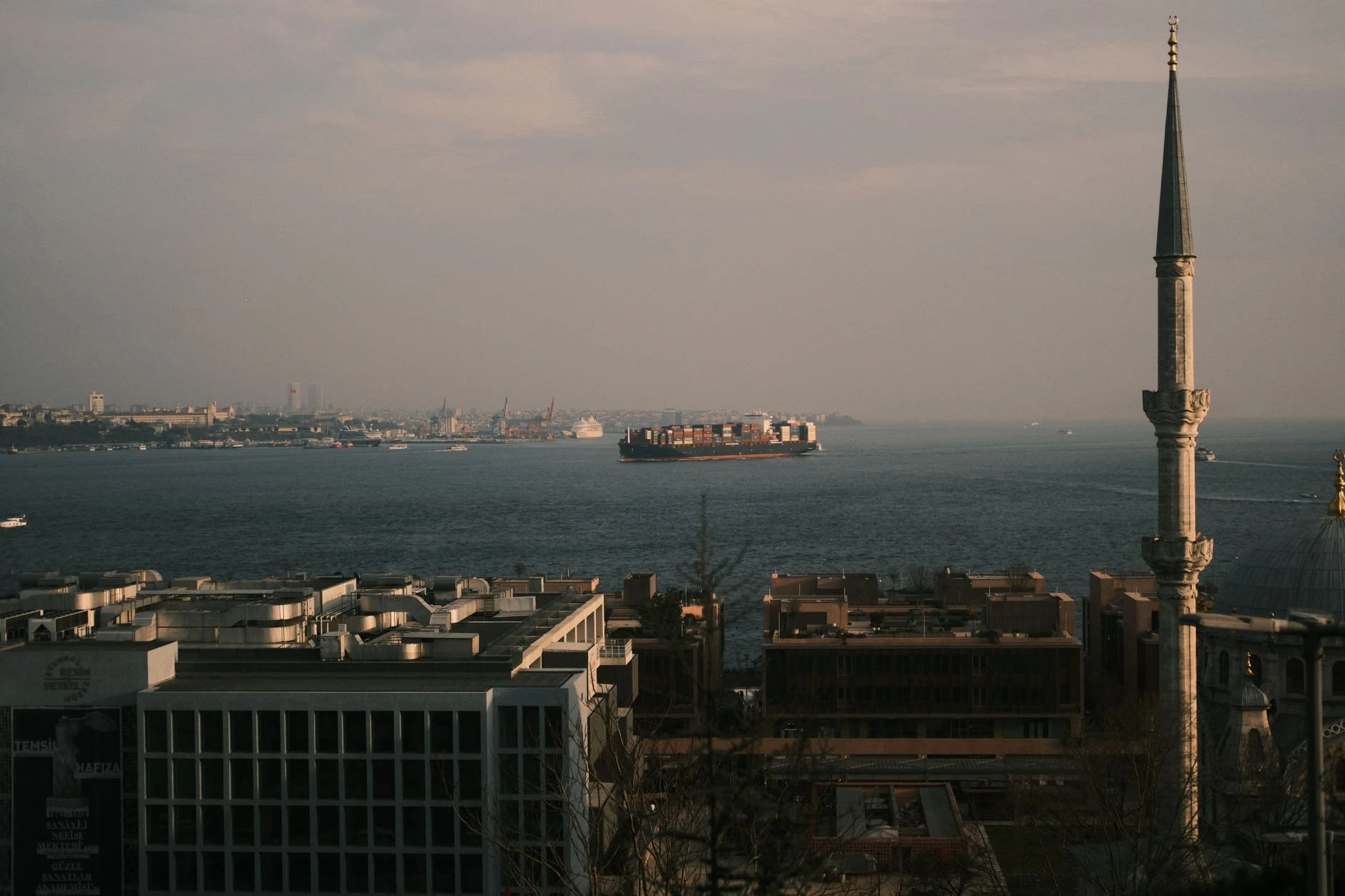
Markets have already shown how quickly tension in the strait can hit prices. The U.S. Energy Information Administration said Brent crude climbed from $69 a barrel on June 12 to $74 on June 13 as the standoff worsened. Washington had also paused Project Freedom, its effort to guide commercial shipping through the strait, on May 5, 2026, waiting to see whether diplomacy could avert a wider confrontation. In March, the U.S. and other International Energy Agency members agreed to a coordinated emergency release of strategic oil stocks after the effective closure of the strait.
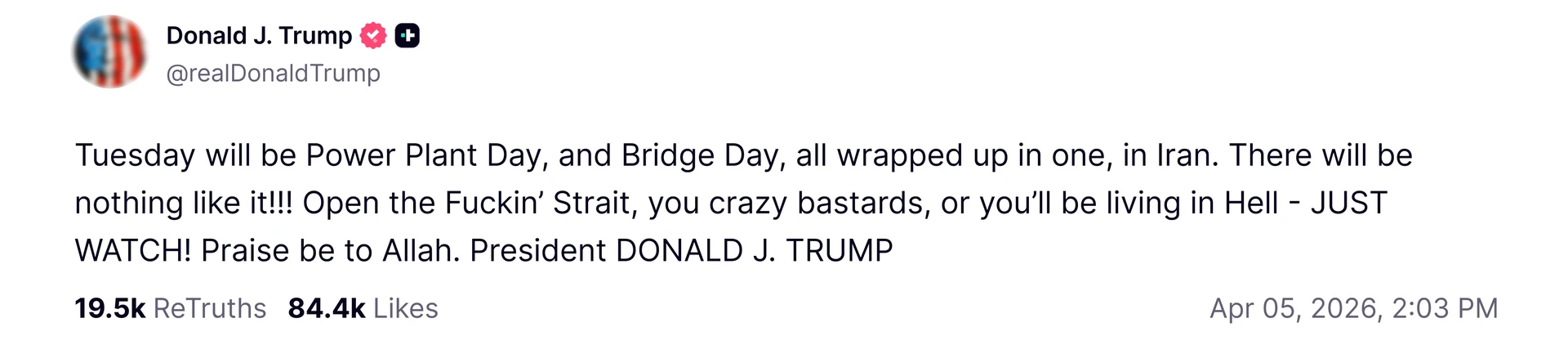
Even with a signing ceremony in view, the danger may not be over. Iran’s semi-official Fars News Agency said that even “in the event of a possible agreement, the Strait of Hormuz will still be under Iranian management.” That leaves tanker traffic, naval posture, and insurance costs hanging on a narrow question: whether this deal restores access to the strait or merely pauses a crisis that can be revived at any moment.
Sources
- [1]cbsnews.com
- [2]eia.gov