World
Trump announces U.S.-Iran deal to reopen Strait of Hormuz
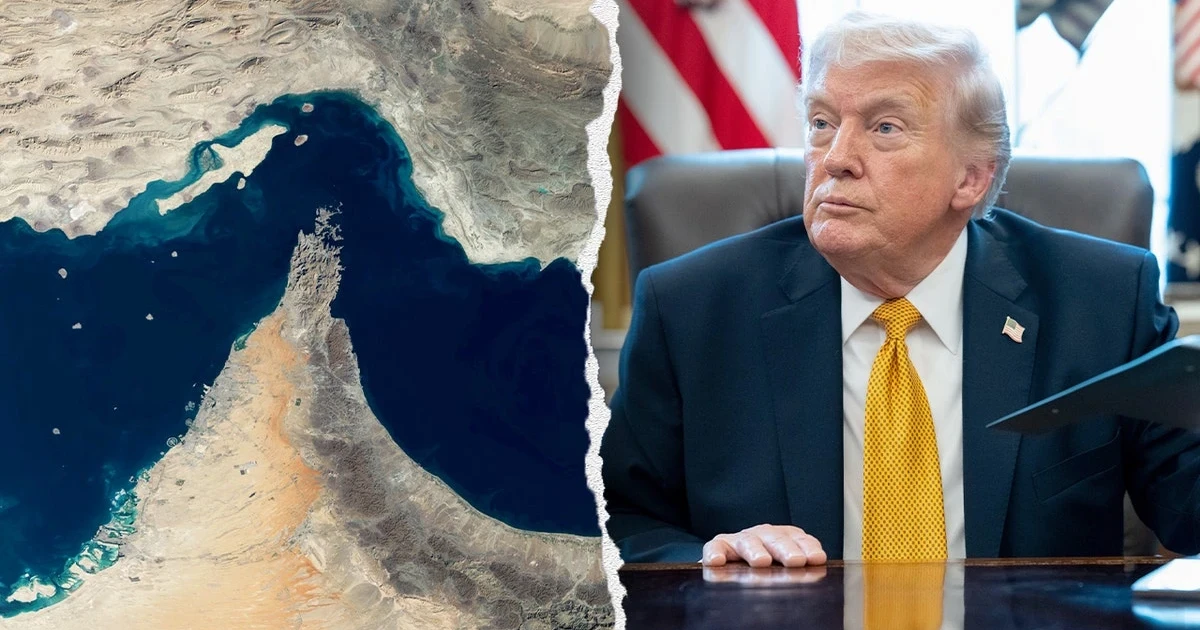
Donald Trump said the U.S.-Iran deal was “now complete,” promising to reopen the Strait of Hormuz without tolls and end the U.S. naval blockade of Iranian ports. The agreement, described as a memorandum of understanding rather than a final treaty, was being cast by both sides as a way to end more than three months of war, but the terms that will determine whether it holds remain unsettled.
The stakes are enormous. The Strait of Hormuz typically carries about a fifth of the world’s oil and gasoline supplies, and ships carrying crude oil have been stranded in the Persian Gulf for more than three months because of the conflict. Reporting from The Associated Press and Reuters said the deal was expected to be signed in Switzerland on Friday, June 19, 2026, with Pakistan Prime Minister Shehbaz Sharif serving as a mediator and saying the two sides had agreed to the wording.
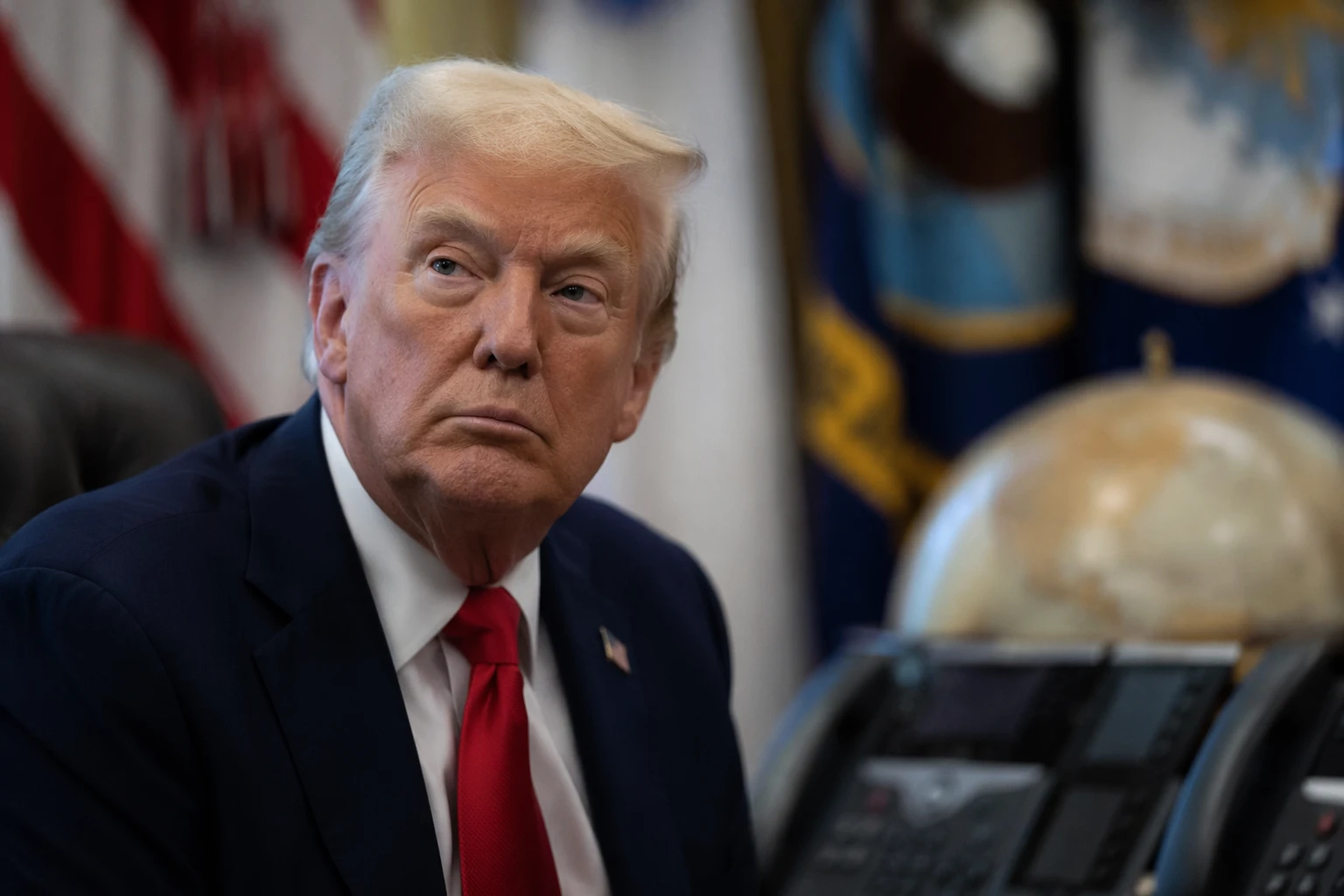
That is the first test of whether this is a breakthrough or a pause. Trump had said on June 11 that the strait would open as soon as a “great settlement” was signed, and earlier in the week he said he was open to meeting Iran’s new supreme leader if an agreement ended the war. Iranian officials, by contrast, were still warning on June 8 that major obstacles remained and that Washington lacked “serious will” to finalize a framework, even as Iran’s foreign ministry said the two sides were still exchanging views on the final text.
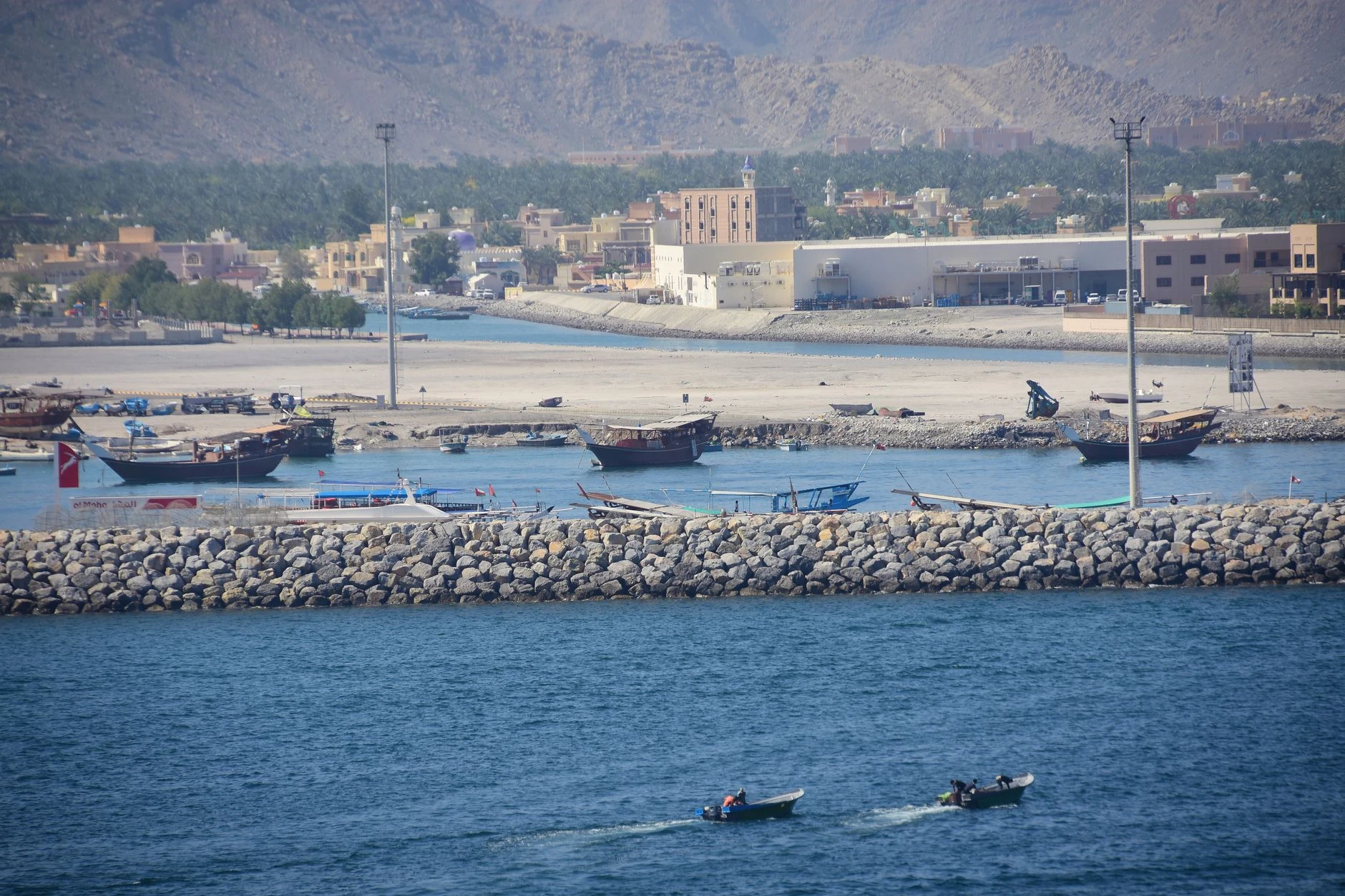
The competing claims go to the heart of the deal. Trump has suggested Iran agreed “conceptually” to let the United States secure nuclear materials and stop pursuing a nuclear weapon. Iranian state media later framed the memorandum as something that could “consolidate victory” for the Iranian people, while other Iranian officials warned that U.S. contradictions and continued aggression could still derail implementation. The United States has not publicly detailed what sanctions relief, if any, would follow the signing.
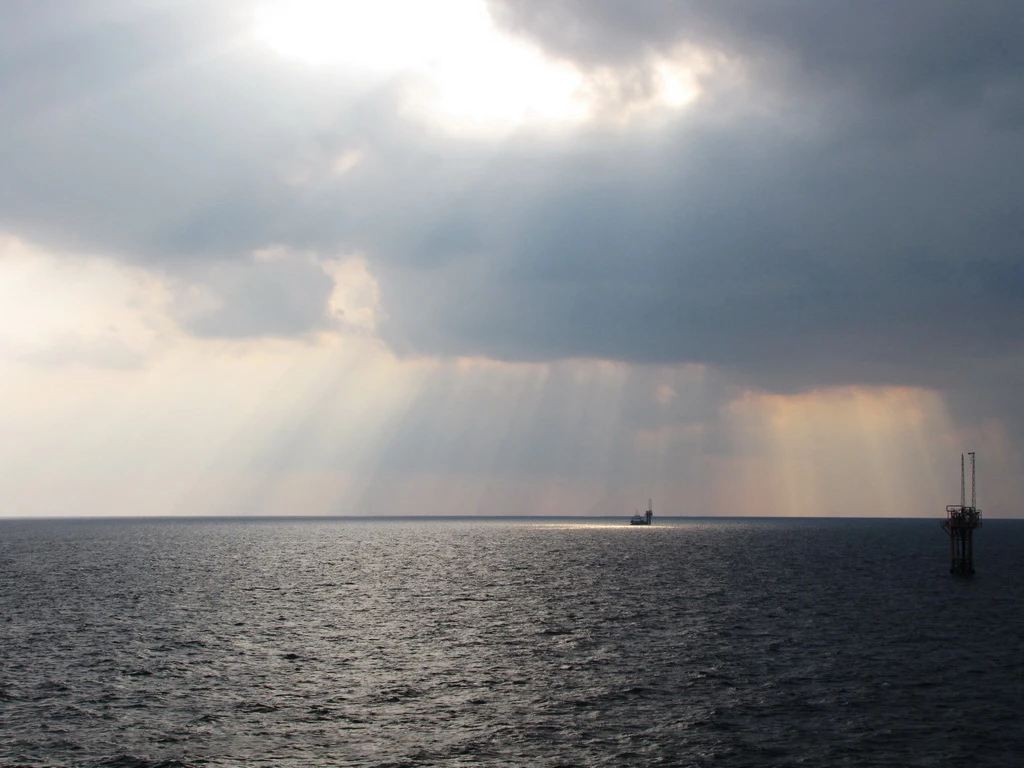
Those unanswered questions matter because the broader confrontation is still fresh. The Trump administration’s maximum-pressure campaign has aimed to deny Iran revenue used for destabilizing activities, missile development and its nuclear program, while the State Department says restrictions on Iran have been in place since 1979, after the seizure of the U.S. Embassy in Tehran. If the agreement is signed in Switzerland and the Strait of Hormuz reopens as promised, the real benchmark will be whether nuclear limits, sanctions enforcement and regional ceasefire terms are durable enough to outlast the war that brought both sides to the table.
Sources
- [1]cbsnews.com
- [2]apnews.com
- [3]cnn.com
- [4]state.gov
- [5]usnews.com
- [6]en.irna.ir