US News
Trump Announces US Naval Blockade Plan for Strait of Hormuz
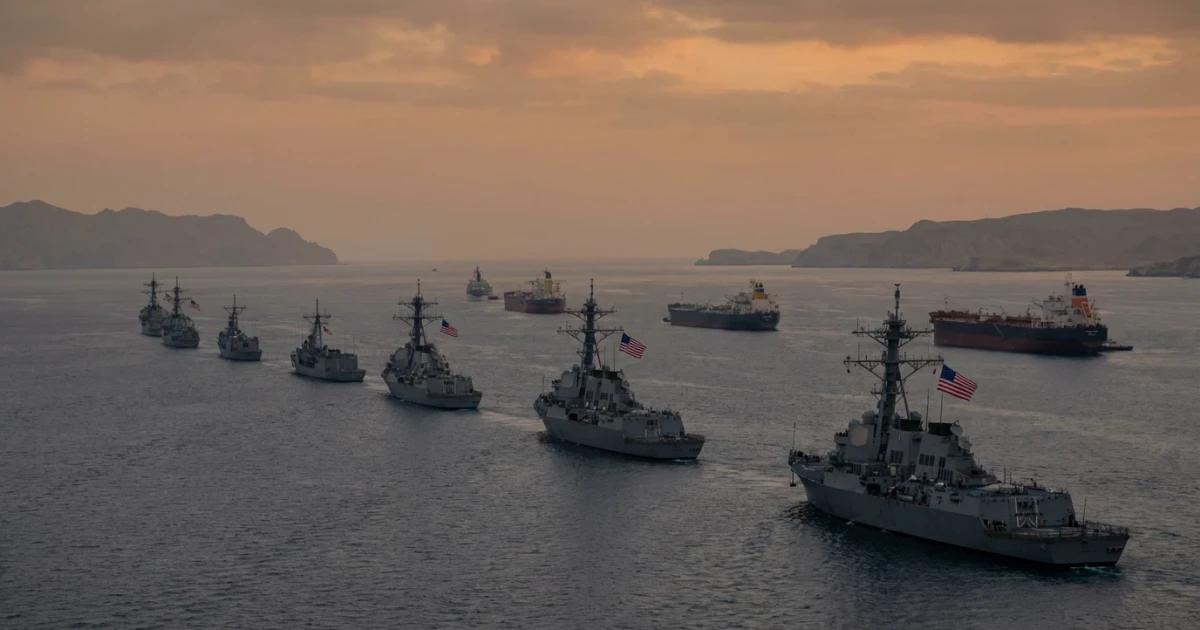
President Donald Trump announced plans to implement a US-led naval blockade in the Strait of Hormuz after peace talks with Iran failed to yield progress, according to statements reported by both CBC and LiveNOW from FOX. The move signals a sharp escalation in tensions in one of the world’s most critical maritime trade routes.
Peace Talks Collapse and Immediate US Response
Negotiations aimed at reducing hostilities between the United States and Iran broke down earlier this week. Both CBC and LiveNOW from FOX confirmed that, in the wake of the failed diplomacy, Trump publicly declared his intent to order the US Navy to begin a blockade of the Strait of Hormuz. The president’s remarks immediately drew international attention, given the Strait’s status as a vital energy chokepoint.
Strategic Importance of the Strait of Hormuz
The Strait of Hormuz serves as the primary maritime route for oil exports from the Persian Gulf, with roughly one-fifth of the world’s total oil supply passing through its narrow waters each day. According to data from the U.S. Energy Information Administration, the Strait handled about 21 million barrels of oil per day in recent years, underscoring its critical role in the stability of global energy markets.
- The Strait is approximately 21 miles wide at its narrowest point
- It connects major oil producers like Saudi Arabia, Iran, and Iraq to international markets
- Disruptions have historically triggered sharp increases in global oil prices
Military Implications and Naval Operations
The US Navy’s Fifth Fleet is headquartered in Bahrain and routinely patrols the waters of the Persian Gulf, including the Strait of Hormuz. A blockade, as described by President Trump, would mean a significant escalation in US military presence and operational posture in the region. According to GlobalSecurity.org, military operations in this narrow waterway carry substantial risks, given the proximity of Iranian territory and the heavy volume of commercial shipping.
Economic and Political Repercussions
Both CBC and LiveNOW from FOX highlight that the announcement has raised immediate concerns among energy analysts and international stakeholders. A blockade could restrict the movement of oil tankers, potentially disrupting supplies to global markets. The OECD notes that Middle Eastern economies are highly dependent on maritime trade through the Strait, and any disruptions could have far-reaching consequences for regional and global economic stability.
- Previous threats to close or block the Strait have resulted in oil price volatility
- Major importers like China, India, and European Union nations are monitoring developments closely
- There are concerns about escalation between US and Iranian naval forces
International Law and Potential Sanctions
The imposition of a blockade raises complex questions under international law. According to UN Security Council sanctions records, previous maritime restrictions have required multilateral backing. Analysts note that a unilateral US blockade could prompt diplomatic challenges and potential retaliatory measures from Iran or other regional actors.
What Comes Next?
The situation in the Strait of Hormuz remains fluid, with the US Navy reportedly preparing to implement the president’s orders. While Trump’s statements have yet to be followed by visible military action, both CBC and LiveNOW from FOX report that regional governments and international organizations are urging restraint and renewed diplomatic engagement.
As the world watches for further developments, the strategic and economic significance of the Strait ensures that any changes will have broad implications. Continued monitoring of official announcements and shipping activity data will be essential for understanding the real-world impact of this policy shift.