World
Trump Announces U.S. Withdrawal from Iran Amid Tehran's Call for Peace
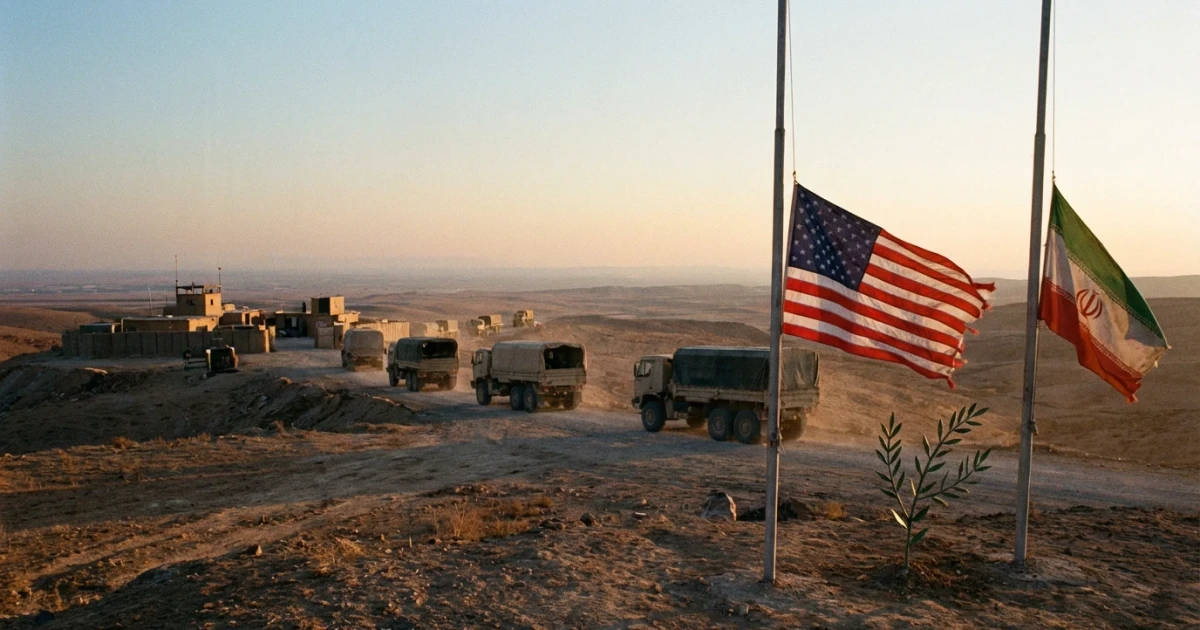
President Donald Trump has announced that U.S. military forces will withdraw from Iran within the next two to three weeks, a development that comes as Iranian leadership expresses a willingness to bring ongoing hostilities to an end. The announcement marks a significant moment in the evolving relationship between the two nations, raising questions about the future of regional stability and the prospects for peace.
Key Details of the Withdrawal Plan
According to remarks made by President Trump, the United States plans to complete its military exit from Iran in the immediate weeks ahead. The timeline set out by the president puts the withdrawal on track to conclude within two to three weeks, though no specific date has been confirmed. This decision follows a period of heightened tension and military engagement in the region.
- The U.S. has maintained a military presence in the region for years, with deployments fluctuating in response to regional challenges and security threats. Data from the SIPRI Military Expenditure Database shows that U.S. spending on operations in and around Iran has been substantial, underlining the scale of American involvement.
- Official statements from the U.S. Department of Defense have, in the past, emphasized the strategic importance of the region and the need for a robust military posture.
Iran's Response and Statements on Peace
As news of the planned withdrawal broke, Iranian officials indicated a readiness to end the conflict. Tehran stated that it has the "necessary will" to conclude the war, signaling an openness to diplomatic efforts and de-escalation. This statement aligns with Iran’s repeated calls for an end to foreign military intervention on its soil.
Iran’s government has long maintained that the presence of foreign troops has exacerbated security challenges and undermined regional sovereignty. The 2023 Country Reports on Terrorism notes that Iran’s leadership has consistently advocated for a negotiated settlement to regional conflicts, though deep-seated mistrust and competing interests have often hindered progress.
Regional and International Reactions
The announcement has drawn varied responses from international observers and regional stakeholders. Some analysts suggest that a swift U.S. withdrawal could lead to a power vacuum, while others see it as an opportunity for diplomatic engagement. The Council on Foreign Relations backgrounder on U.S.-Iran relations highlights the complex interplay of military, economic, and political factors shaping both countries’ strategies.
- Regional neighbors are watching the situation closely, concerned about the potential for renewed instability or the emergence of new security threats.
- European allies have urged both sides to prioritize dialogue and avoid any actions that could reignite violence.
Implications for the Future
The coming weeks will be critical in determining whether the stated intentions of both the U.S. and Iran translate into lasting de-escalation. The withdrawal of U.S. forces could open the door to new diplomatic initiatives, but it also carries risks of unintended consequences if not carefully managed.
As the situation develops, attention will focus on the implementation of the withdrawal plan, the actions of Iranian leadership, and the response of the international community. For now, the prospect of ending a prolonged period of hostility offers a glimmer of hope for a more peaceful future in the region.