Politics
Trump-appointed panel weighs fencing off Lafayette Square Park
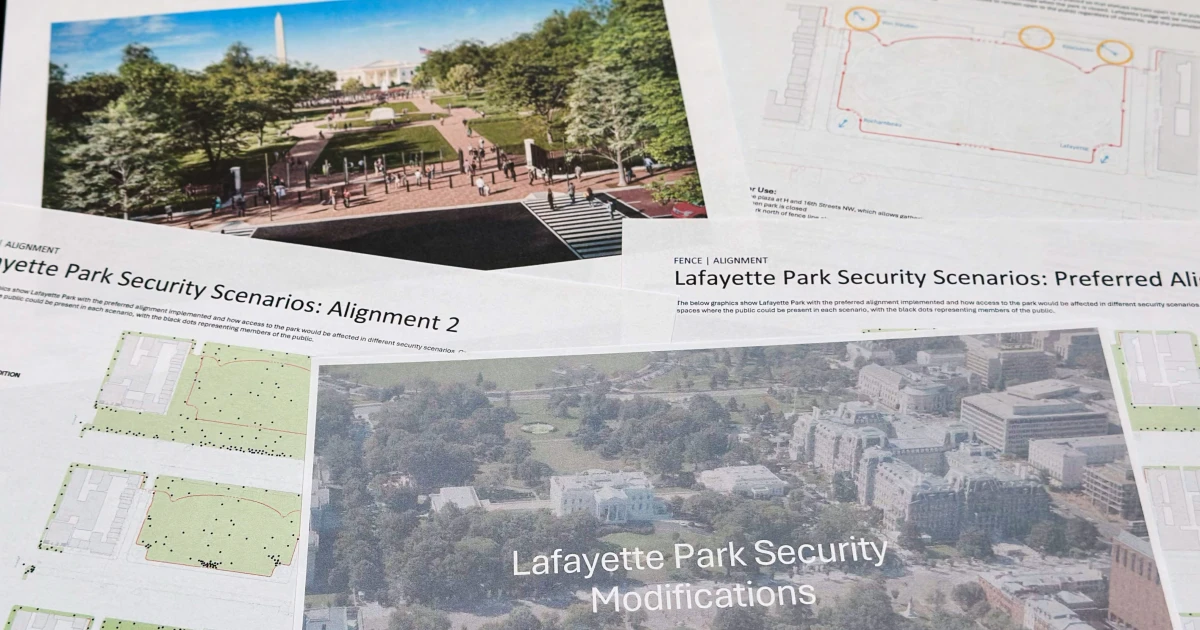
A Trump-appointed federal design panel was set to weigh fencing off Lafayette Square Park, the seven-acre public space directly north of the White House that has long been one of Washington’s most visible protest grounds. The proposal could also affect a two-block stretch of Pennsylvania Avenue NW between 15th and 17th streets NW, tightening access near the seat of presidential power.
Lafayette Park carries layers of American history well beyond its current role as a demonstration site. Planned by architect Charles Bulfinch in 1821 and named for Marquis de Lafayette, the land was once used as a race track, a showplace for caged animals, a graveyard, a slave market and an encampment for soldiers, according to the National Park Service. Today, the park remains a federally managed public space whose visibility has made it a recurring stage for political protest.
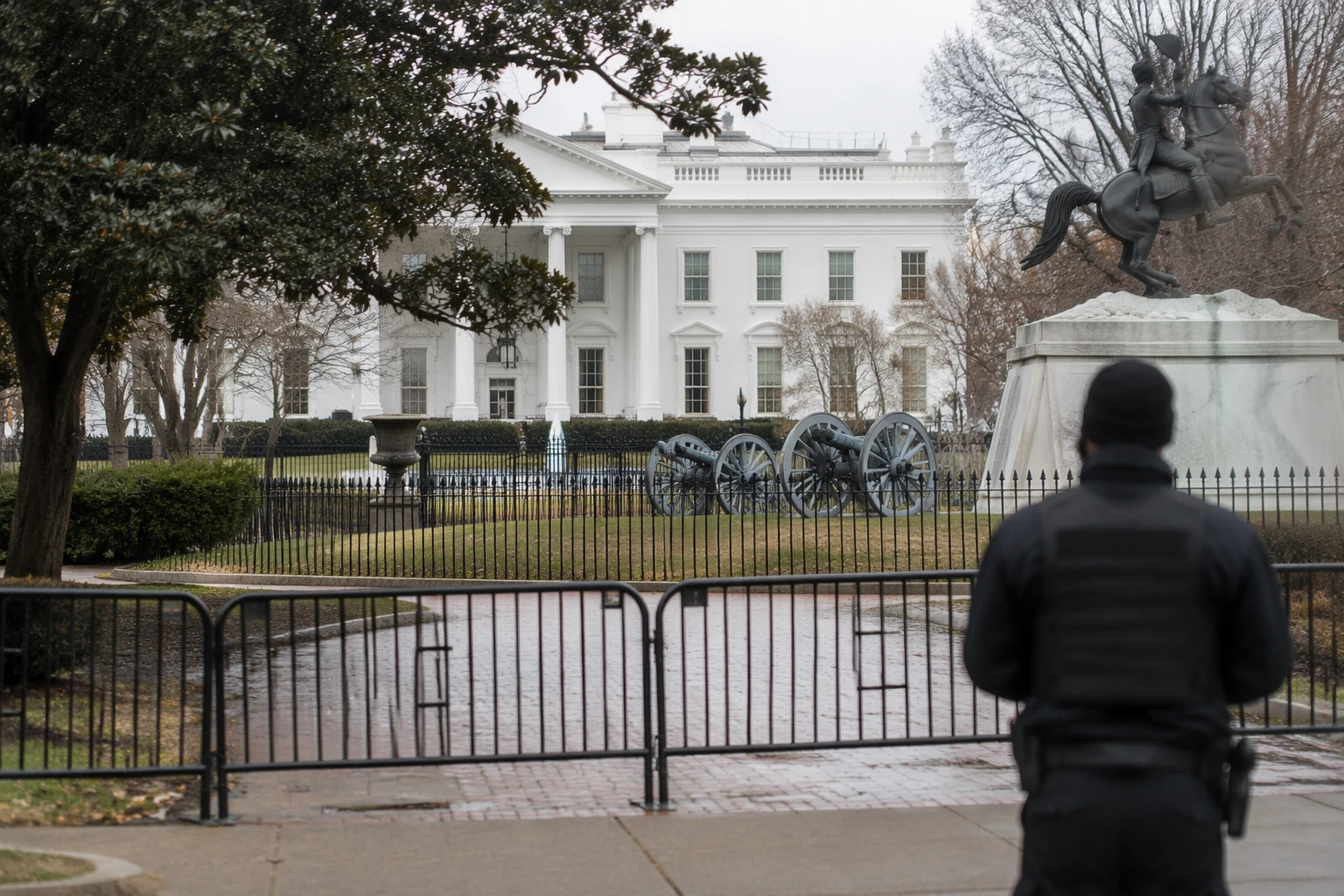
That history is central to the fight over the fencing plan. Suffragist pickets began gathering there in 1917, and the park has remained tied to women-led protest and broader claims of civic access ever since. The National Park Service has described Lafayette Park as a place where free speech unfolds with the White House as the audience, a role that has made the square especially sensitive whenever federal officials try to control entry.
The current debate also reflects the aftershocks of the 2020 George Floyd protests in Washington. Federal officers cleared demonstrators from Lafayette Square, a tall metal fence went up around the area, and the Justice Department later announced in April 2022 that it had settled four civil cases arising from the June 1, 2020 law-enforcement response. Critics of the new proposal say fencing could harden a temporary security response into a lasting redefinition of public space near the White House.
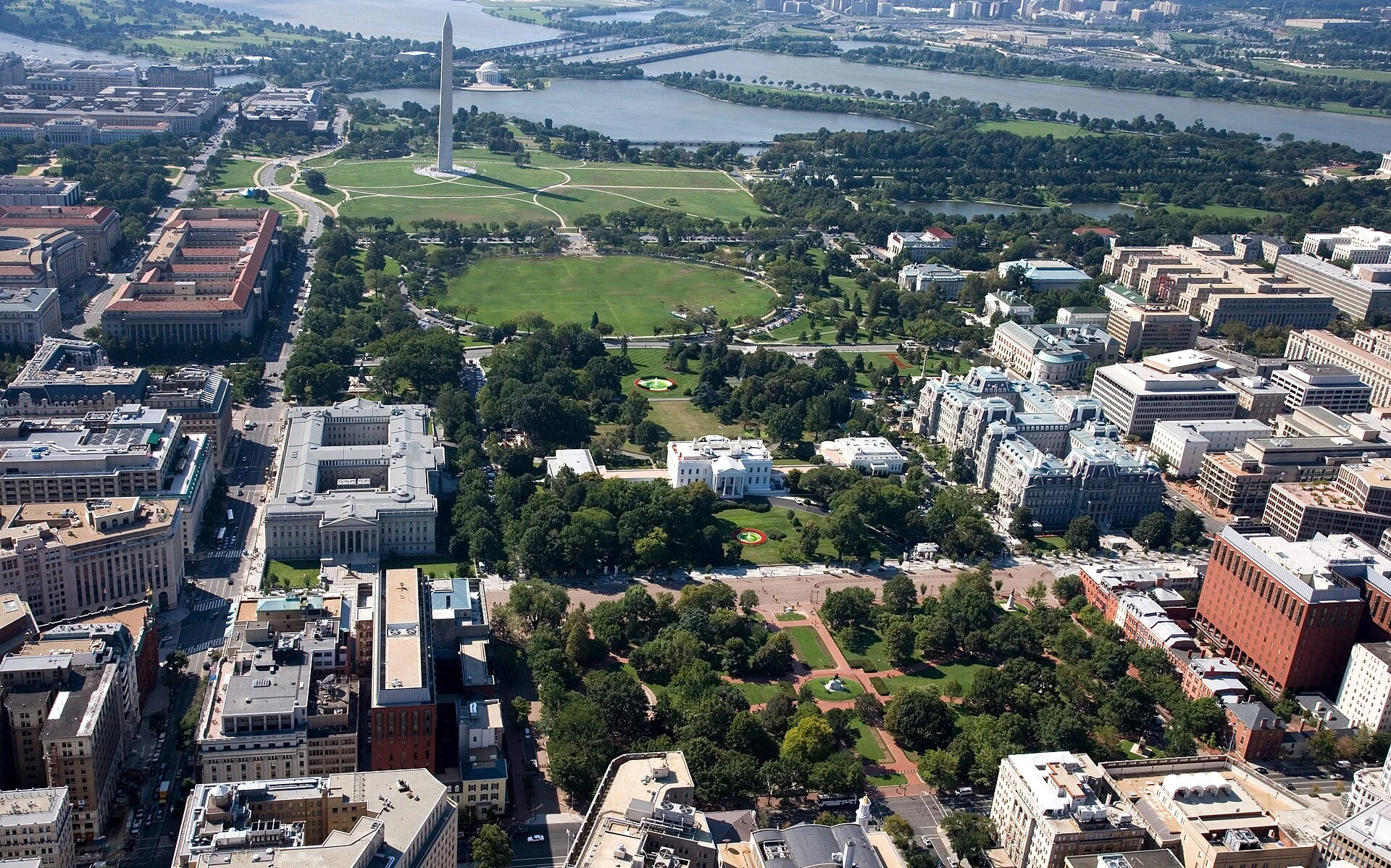
The Commission of Fine Arts was scheduled to consider the plan at a public meeting on July 16, 2026, at the National Building Museum in Washington. The commission said members of the public who wished to speak had to attend in person, and all seven members of the panel were appointed by President Trump. The decision now before the commission is not just about barriers and traffic control. It is about whether Lafayette Square remains an open forum for dissent or becomes a more controlled perimeter around the presidency.
Sources
- [1]nytimes.com
- [2]nps.gov
- [3]cfa.gov
- [4]whitehousehistory.org
- [5]justice.gov
- [6]dc.gov