US News
Trump Becomes First President to Sign U.S. Paper Currency
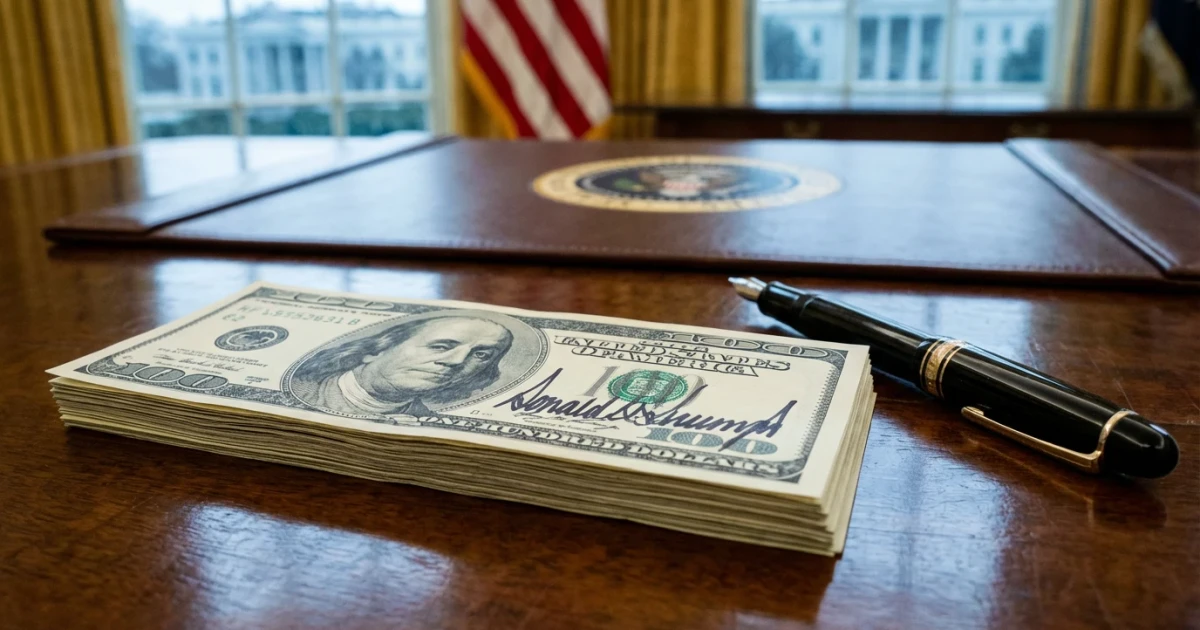
President Donald Trump will become the first sitting U.S. president to have his signature appear on American paper currency, according to announcements made on March 26, 2026. The news, first reported by NBC News and echoed on social media, marks a significant departure from longstanding Treasury and Federal Reserve practices regarding the signatures featured on U.S. currency.
Historical Context: Who Signs U.S. Currency?
Traditionally, U.S. paper currency carries the signatures of two specific officials: the Secretary of the Treasury and the Treasurer of the United States. This practice, dating back to the 19th century, ensures authenticity and continuity across denominations. The inclusion of Trump's signature represents an unprecedented shift from this tradition, as no sitting president has ever signed U.S. currency before.
Announcement and Public Response
Both NBC News and a widely shared Facebook post broke the story late Wednesday, highlighting the historic nature of the decision. While the specific design details or which denominations will feature the president's signature have not yet been disclosed, the move is already sparking discussion among collectors, historians, and the general public.
- NBC News emphasized that this is the first time in U.S. history a sitting president's signature will appear on any denomination of American currency.
- The Facebook announcement amplified the news, underscoring its "first for a sitting U.S. president" status and fueling public debate online.
Implications for U.S. Currency Design
The addition of a president's signature introduces a unique element to the design and authentication of paper money. According to the Federal Reserve's documentation on currency design, the signatures on paper bills are both a security feature and a mark of federal authority. While the Bureau of Engraving and Printing regularly updates currency to reflect new officeholders, the president's signature has never been part of this process—until now.
Currency experts note that the change could impact both the collectibility and perception of these bills. Some see it as a way to further personalize and commemorate a specific administration, while others raise questions about the precedent it sets for future officeholders.
Looking Ahead
As the U.S. Treasury prepares to implement this change, attention will focus on how the new bills will be received by the public and what this means for future currency design. The move is likely to be closely watched by historians, collectors, and those interested in the evolution of American symbolism and official documentation.
For readers interested in the history and process behind whose signatures appear on U.S. money, the Federal Reserve FAQ and official Treasury signature records provide additional context. Production statistics and historical data can be found on the Bureau of Engraving and Printing website, while broader analysis of U.S. currency policies is available in the Federal Reserve's archival reports.
With Trump's signature set to appear on newly printed bills, the United States enters an uncharted chapter in its monetary history, raising questions about tradition, symbolism, and the evolving role of presidential authority in everyday life.