World
Trump blames Canada as wildfire smoke blankets U.S. cities
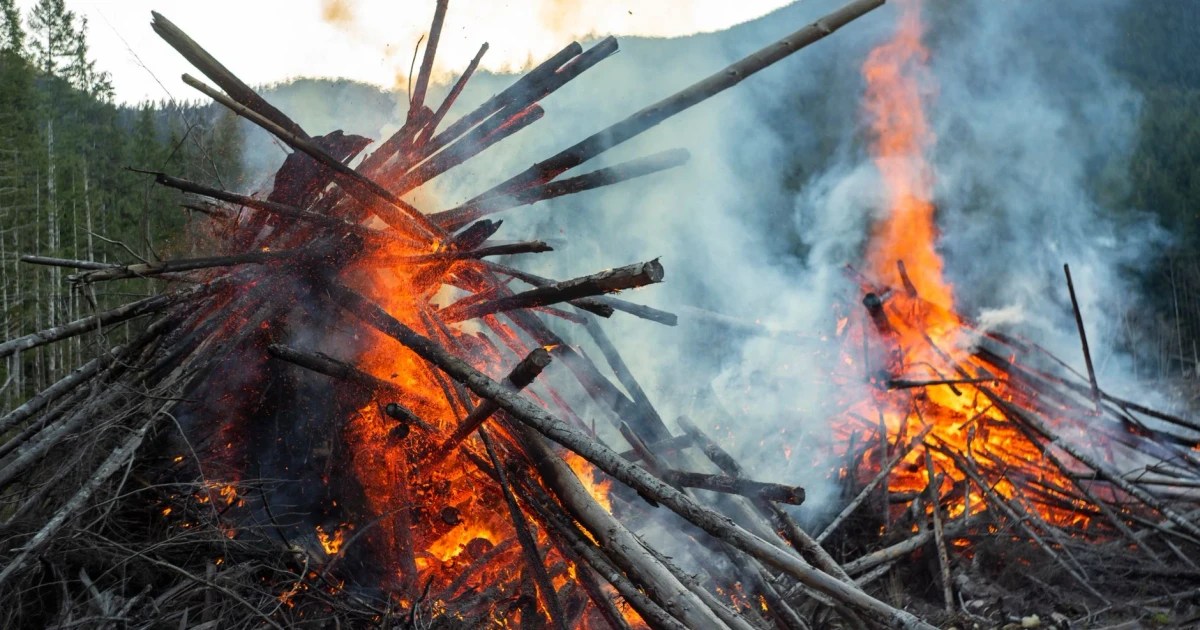
Trump said on Friday in a social media post that Canada was failing to manage its wildfire response as smoke from Canadian fires blanketed U.S. cities including New York and Chicago. The flare-up landed amid a wave of more than 800 wildfires burning across Canada and a thick haze that crossed the border into the Midwest and Northeast.
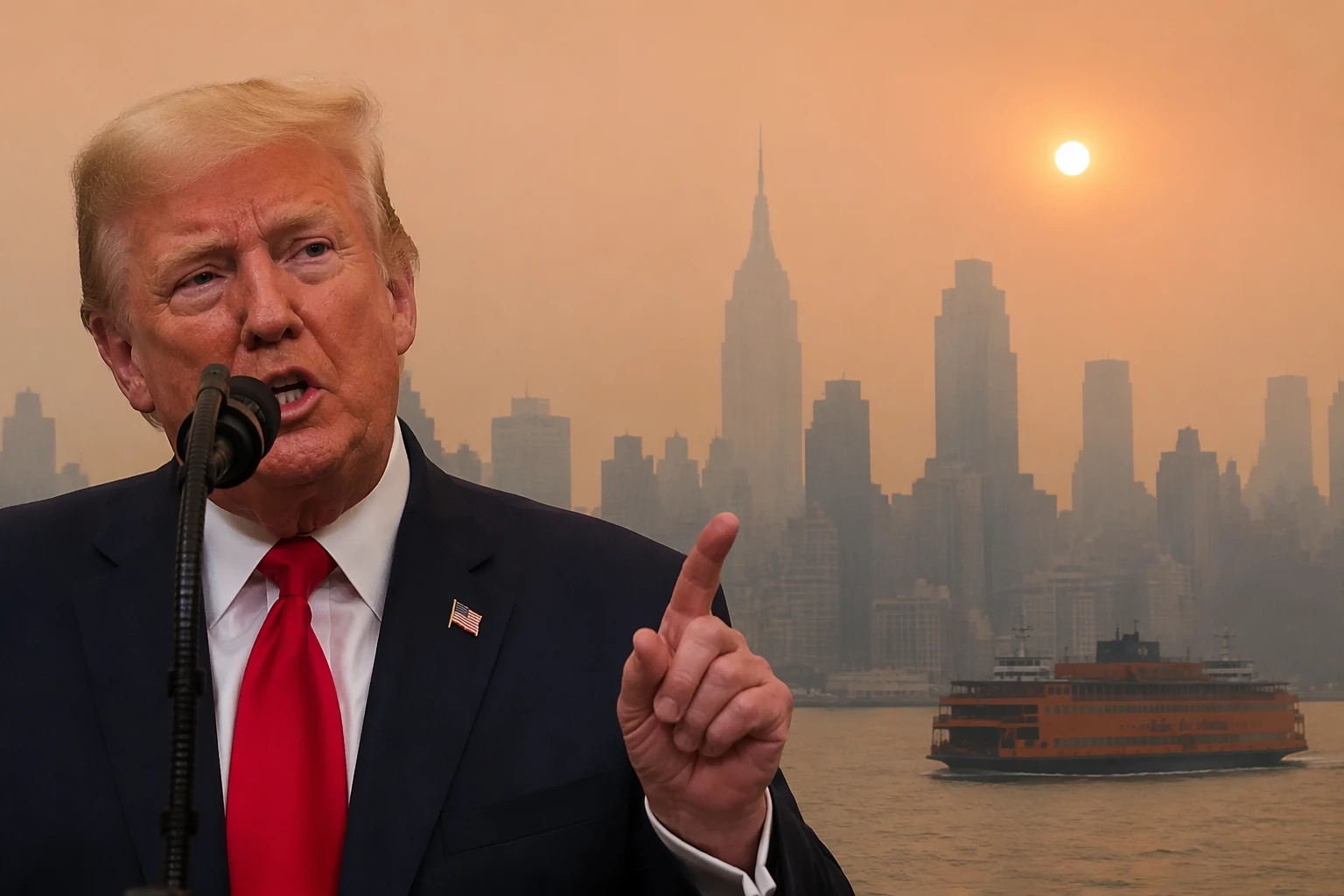
The public-health toll was immediate. Air quality alerts were in place across at least 17 states, from Minnesota to New Hampshire and Virginia, while smoke from more than 180 Canadian wildfires traveled more than 1,000 miles to reach places like New York City. Reuters described a dangerous orange haze over parts of the country, and residents in affected areas were told to stay indoors as dense smoke choked large stretches of the Northeast and Upper Midwest.
The president’s suggestion that Canada should answer for the smoke with stronger action carries more political punch than legal force. The U.S. Supreme Court ruled in February 2026 that President Donald Trump could not use the International Emergency Economic Powers Act to impose tariffs at will, cutting off the broad emergency tariff route he had previously used against trading partners. That leaves little room for tariffs as a credible response to wildfire smoke, which is not a trade dispute and does not fit neatly into ordinary customs law.
Diplomatically, the threat fits a familiar pattern. Trump has repeatedly used tariff threats against Canada in other disputes, turning trade leverage into a standing tool of pressure on Ottawa. Using that playbook over wildfire smoke would only deepen a bilateral feud at a moment when the real problem is shared air, not a border crossing.
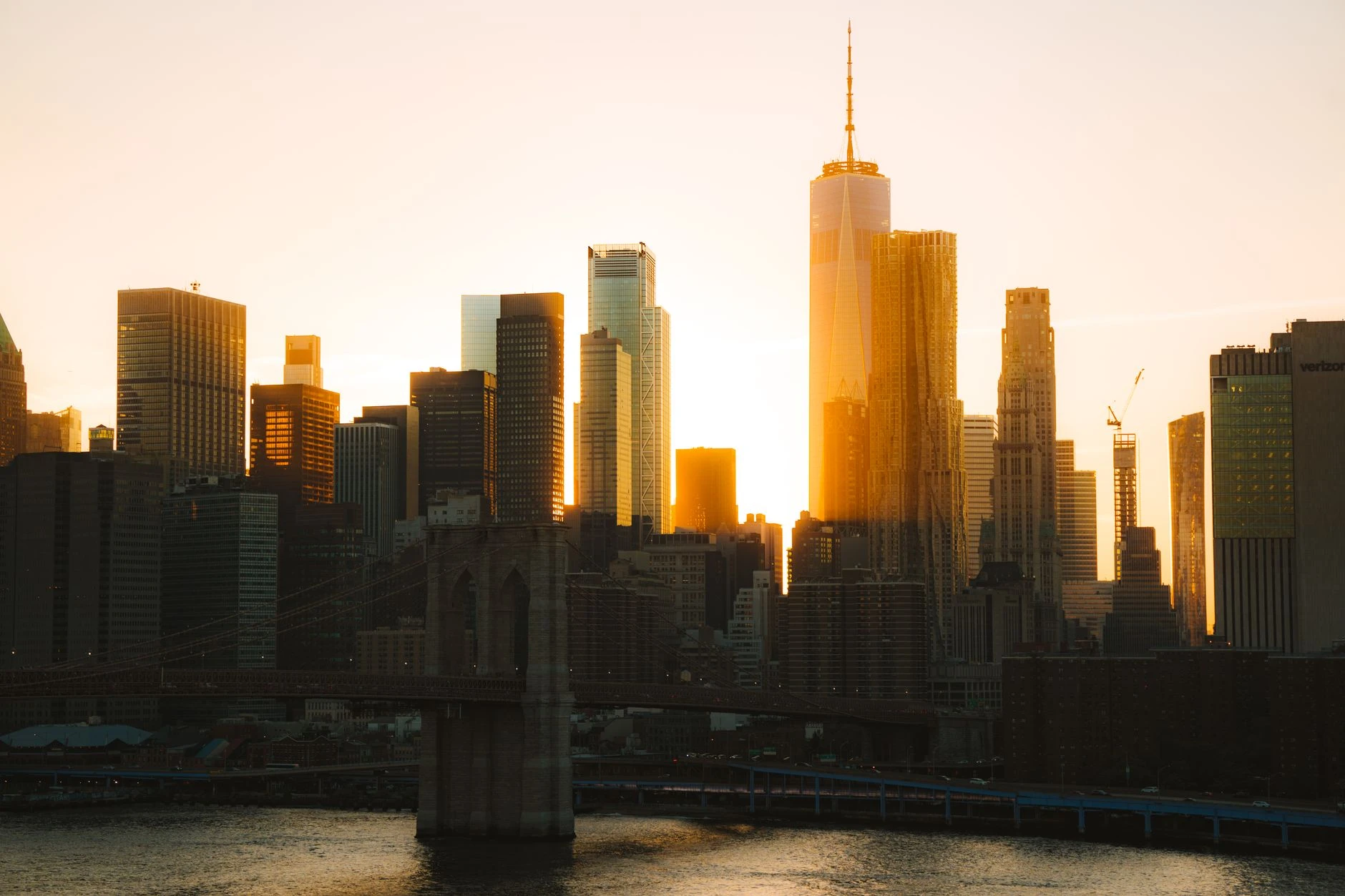
The two countries already have a system for responding to wildland fire. Canada manages emergencies first at the local level, then through provincial or territorial authorities, and asks the federal government for help when needed. On the U.S. side, the National Interagency Fire Center says a long-standing agreement first established in 1982, and updated through a 2025 operating plan, allows both countries to exchange wildland fire management resources. That coordination is built for crews, aircraft and suppression support, not tariff retaliation.
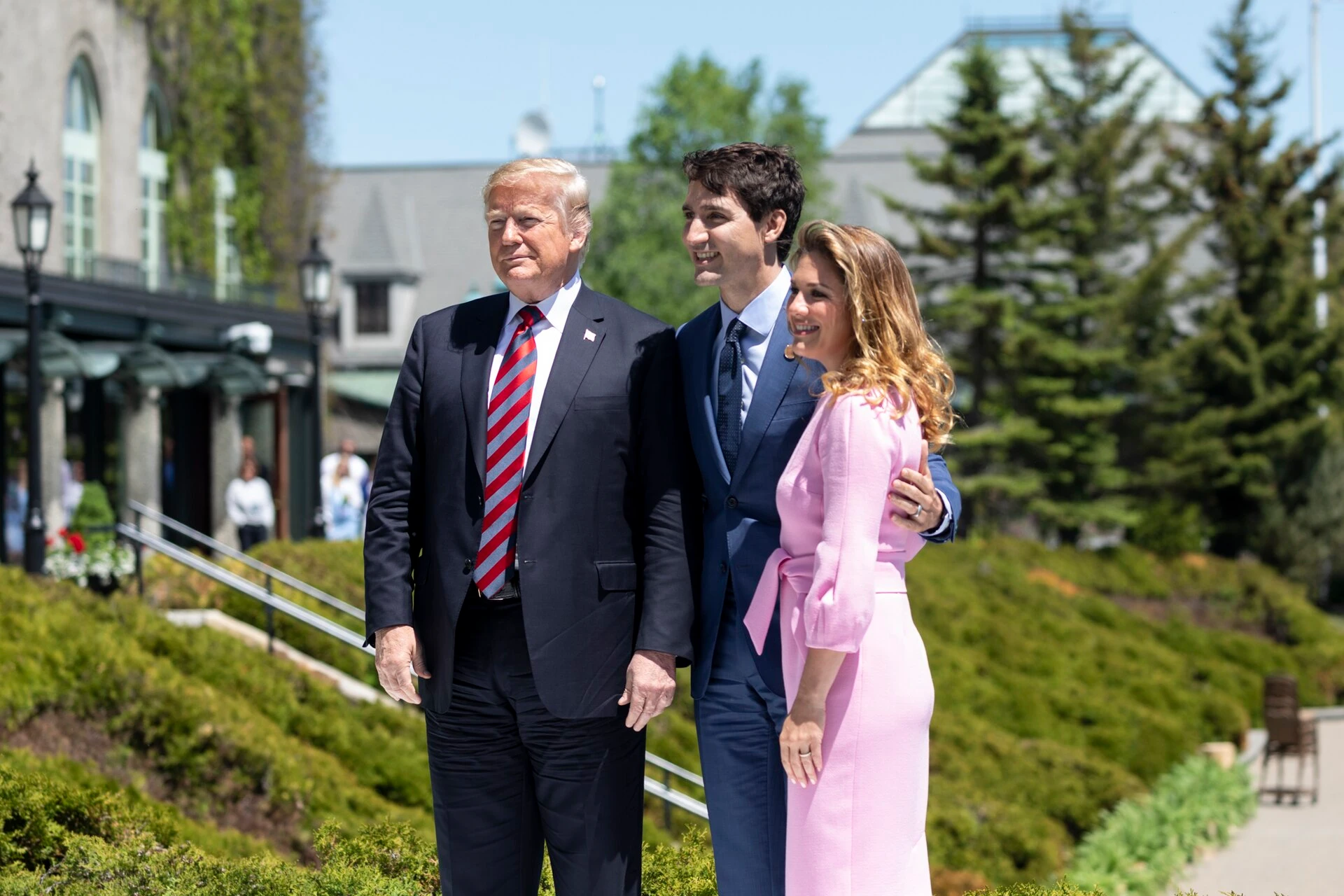
As smoke continued to spread across major U.S. population centers, the politics of blame moved faster than the policy options. The air over New York and Chicago remained the more urgent emergency.
Sources
- [1]nytimes.com
- [2]reuters.com
- [3]abcnews.com
- [4]bbc.com
- [5]cnn.com