Politics
Trump brushes off Supreme Court defeat on birthright citizenship, eyes Congress
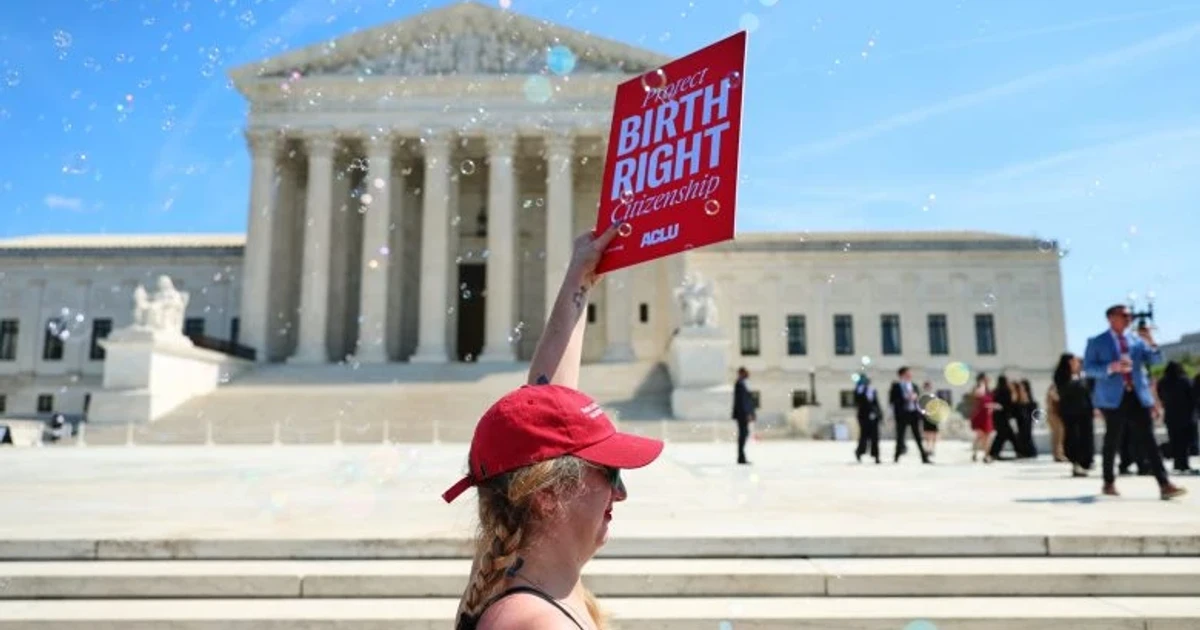
Donald Trump brushed off the Supreme Court’s 6-3 rejection of his birthright-citizenship order and said Congress could “easily make it up” through legislation with presidential support. The ruling on June 30, 2026, blocked the executive order he signed on his first day back in office, January 20, 2025, and preserved automatic citizenship for children born on U.S. soil.
Trump’s order had sought to deny citizenship to babies born in the United States to parents who were in the country unlawfully or only temporarily present. In defending that approach, the White House cited the 14th Amendment’s “subject to the jurisdiction thereof” clause and argued that Congress had already narrowed citizenship in 8 U.S.C. 1401. The order also invoked Dred Scott v. Sandford, casting the Civil War-era amendment as a repudiation of that decision.
The Supreme Court’s ruling was widely seen as a major blow to Trump’s immigration agenda. Reuters described it as a stinging defeat that scuttled one of his top priorities, while the Associated Press said the decision upheld a broad conception of birthright citizenship. The constitutional obstacle is straightforward: citizenship has been understood for more than a century as a broad guarantee under the 14th Amendment, which makes any attempt to rewrite it through ordinary legislation likely to face serious legal challenges.
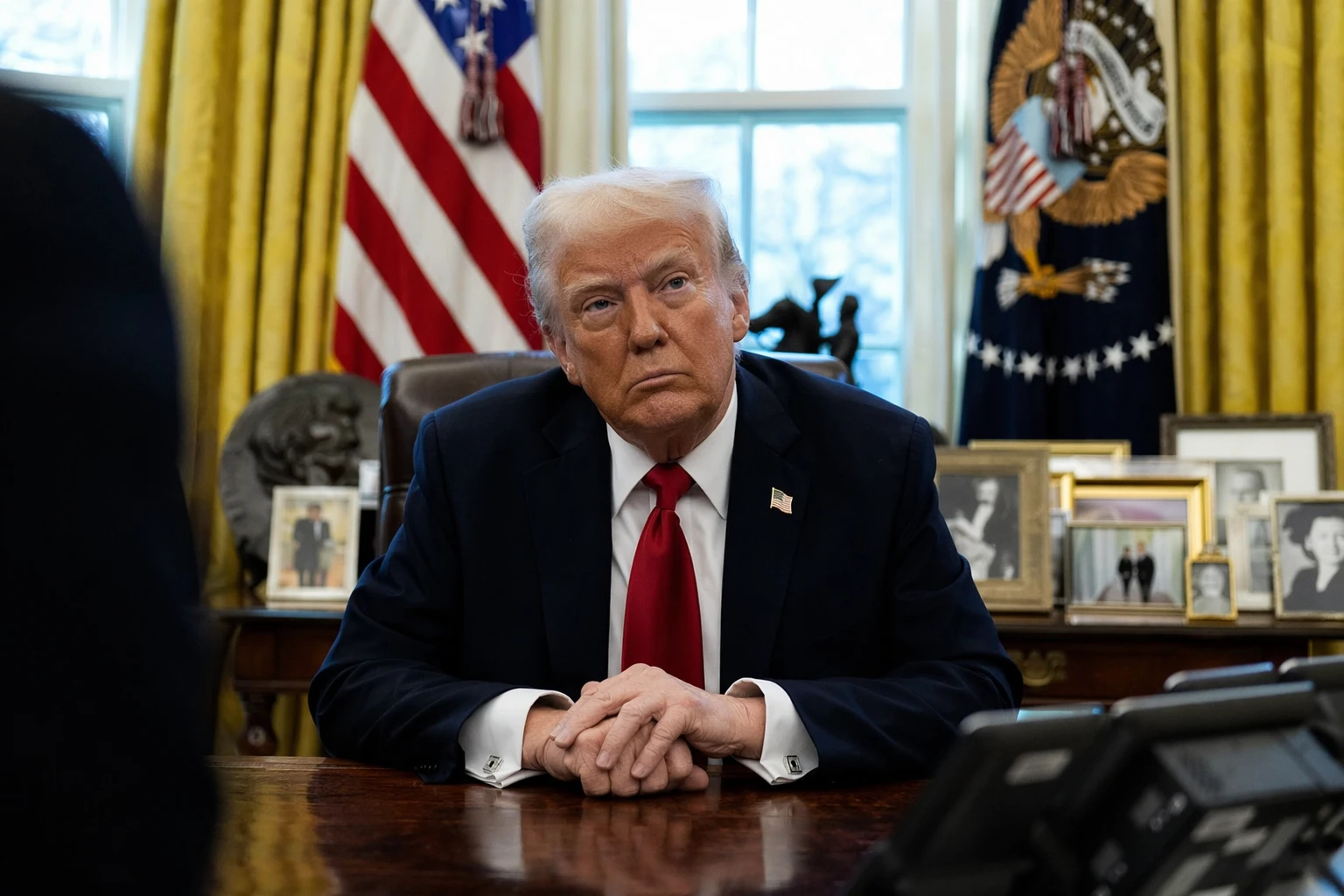
That is the central problem with Trump’s post-ruling argument. Congress does have authority to enact legislation, but it cannot casually override a constitutional guarantee. Any bill designed to narrow birthright citizenship would almost certainly be tested immediately in court, and the legal fight would turn on whether the statute can survive the 14th Amendment itself. A law passed by simple majorities in the House and Senate, even with a presidential signature, would not settle that constitutional question.
Republican lawmakers and Trump allies were already moving toward a different route: a constitutional amendment. TIME reported that they were calling for an amendment to restrict birthright citizenship after the ruling, a signal that even Trump’s allies understand legislation alone may not be enough to make the change permanent. That path would be far harder, requiring far more than a standard bill and exposing the limits of what Trump can accomplish after a courtroom loss.
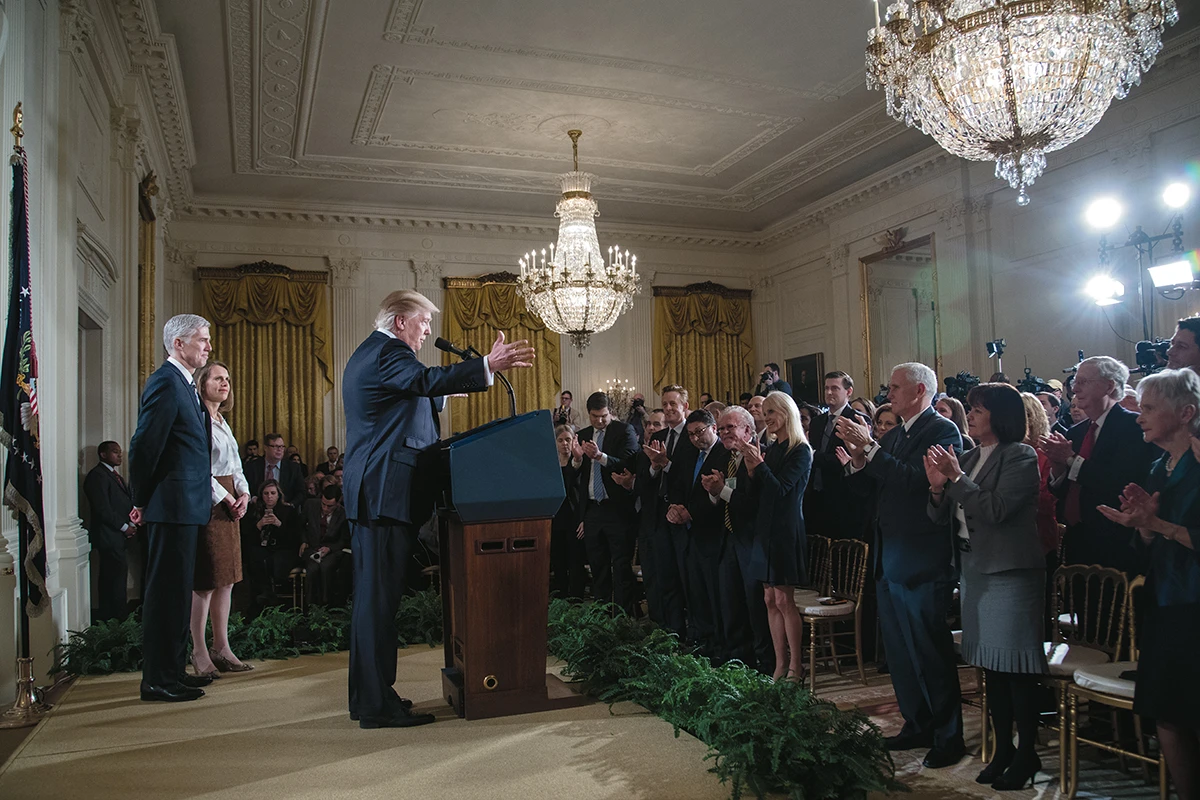
The ruling leaves Trump with a political fight in Washington and a constitutional one that reaches back to the meaning of the 14th Amendment itself.
Sources
- [1]abcnews.com
- [2]whitehouse.gov
- [3]usnews.com
- [4]cnbc.com
- [5]apnews.com
- [6]time.com