World
Trump Calls for Global Action After Attacks in Persian Gulf
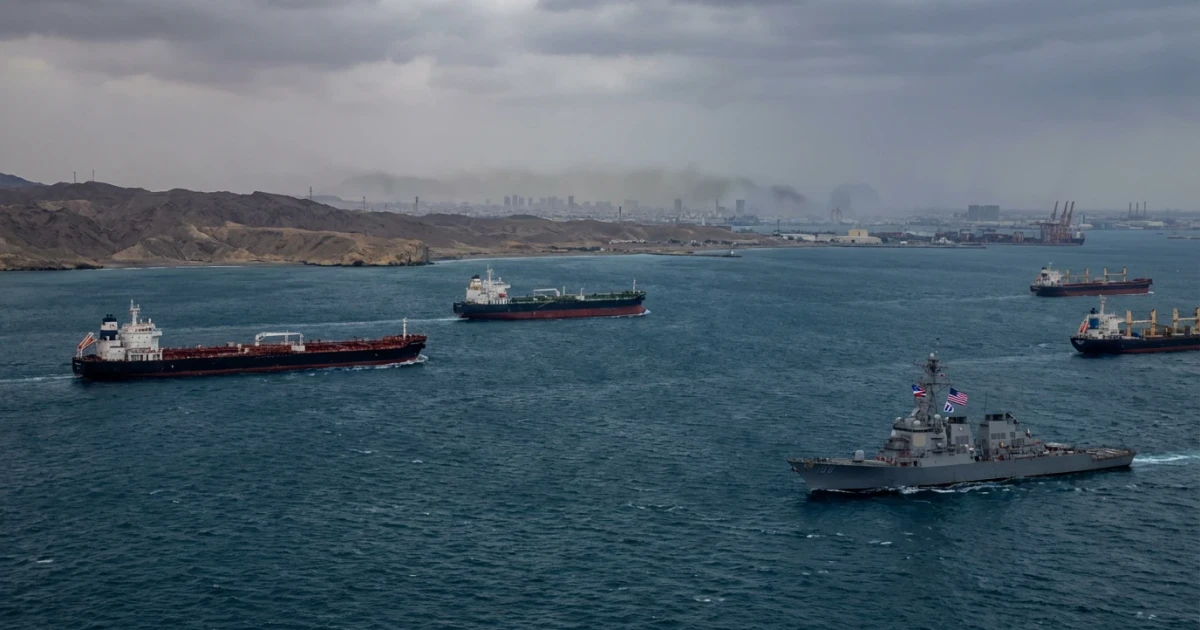
President Donald Trump has called on the international community to take immediate action to ensure the continued free flow of oil and goods through the vital Strait of Hormuz following a series of attacks in the Persian Gulf region and a strike on the U.S. Embassy in Baghdad. The recent escalation has heightened concerns over global energy security and regional stability.
Strait of Hormuz: A Strategic Chokepoint
The Strait of Hormuz is widely recognized as the world’s most important oil transit chokepoint. According to U.S. Energy Information Administration analysis, approximately one-fifth of the world’s oil supply passes through this narrow waterway, making any disruption a matter of urgent international concern. The region’s major oil exporters, including Saudi Arabia, Iraq, and the United Arab Emirates, rely heavily on the strait to ship crude oil to global markets. For these nations, oil rents make up a significant portion of their GDP, as highlighted in World Bank data.
- The strait handles roughly 21 million barrels of oil per day, according to recent data.
- Any extended closure could lead to volatility in global oil prices and supply chains.
International Response and President Trump's Appeal
Following reports of attacks on shipping in the Gulf and the strike against the U.S. Embassy in Baghdad, President Trump issued a strong appeal to America’s allies and the broader international community. He urged nations that rely on Gulf oil exports to contribute to safeguarding shipping lanes and deterring further hostilities. This call for action comes amid rising tension in the region, with fears that continued attacks could escalate into broader conflict.
While the United States has historically maintained a significant military presence in the Gulf to protect strategic interests, the current situation has prompted calls for a more multilateral approach. Regional security experts and organizations like the United Nations Security Council have highlighted the importance of coordinated international measures, including sanctions and diplomatic efforts, to address the underlying causes of instability.
U.S. Embassy in Baghdad Targeted
The attack on the U.S. Embassy in Baghdad underscores the volatility in Iraq and the potential for the Gulf crisis to spill over into neighboring states. According to official reporting, the embassy was struck amid a surge of hostilities, but details on casualties or damage remain limited. The U.S. State Department’s Country Reports on Terrorism have previously documented repeated threats against diplomatic missions in Iraq, emphasizing the ongoing danger from regional militias and external actors.
Implications for Global Energy and Security
Any significant disruption to traffic through the Strait of Hormuz would have far-reaching effects. Energy analysts and agencies such as the U.S. Energy Information Administration warn that even temporary blockages could send oil prices sharply higher, affecting economies worldwide. Past incidents in the Gulf have led to spikes in shipping insurance rates and prompted rerouting of vessels, increasing costs and uncertainty for importers.
- Global oil markets remain sensitive to disruptions in the Gulf region.
- Gulf economies depend on stable export routes for their economic stability and government revenues.
Looking Ahead
As tensions persist, the world is watching to see how governments respond to President Trump’s call for collective action. The security of the Strait of Hormuz remains a critical issue not just for the Middle East but for the global economy. Diplomatic engagement, enhanced security cooperation, and preventive measures will be essential to avoid a wider crisis and ensure the safe passage of oil and goods through this strategic waterway.