World
Trump calls Iran unbelievably duplicitous as talks dispute deepens
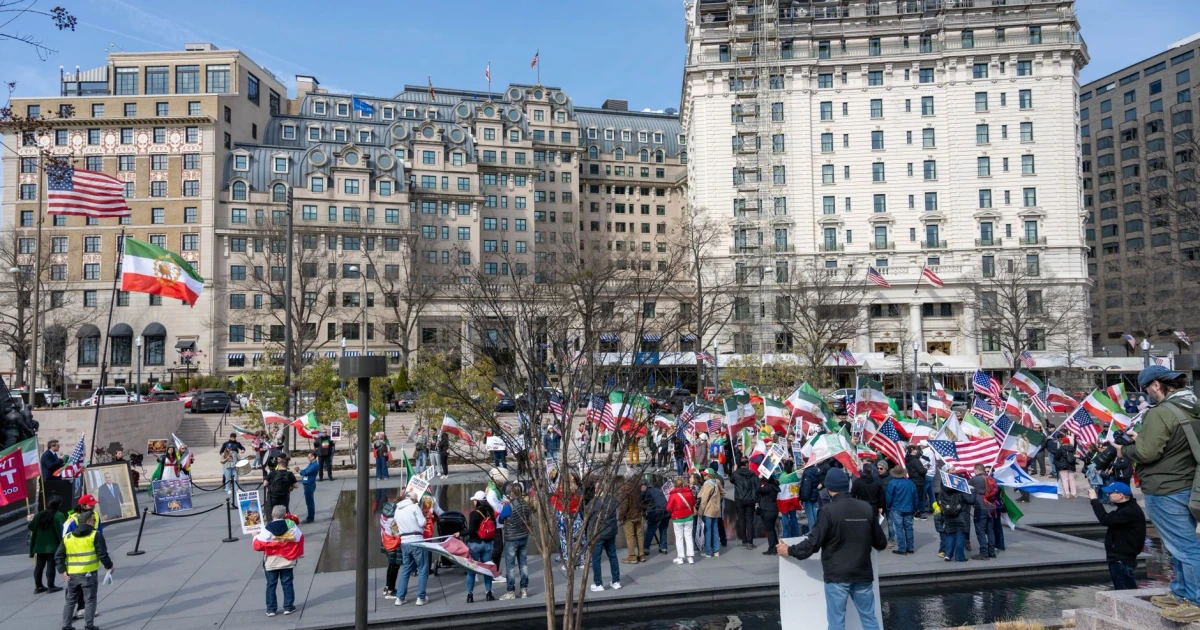
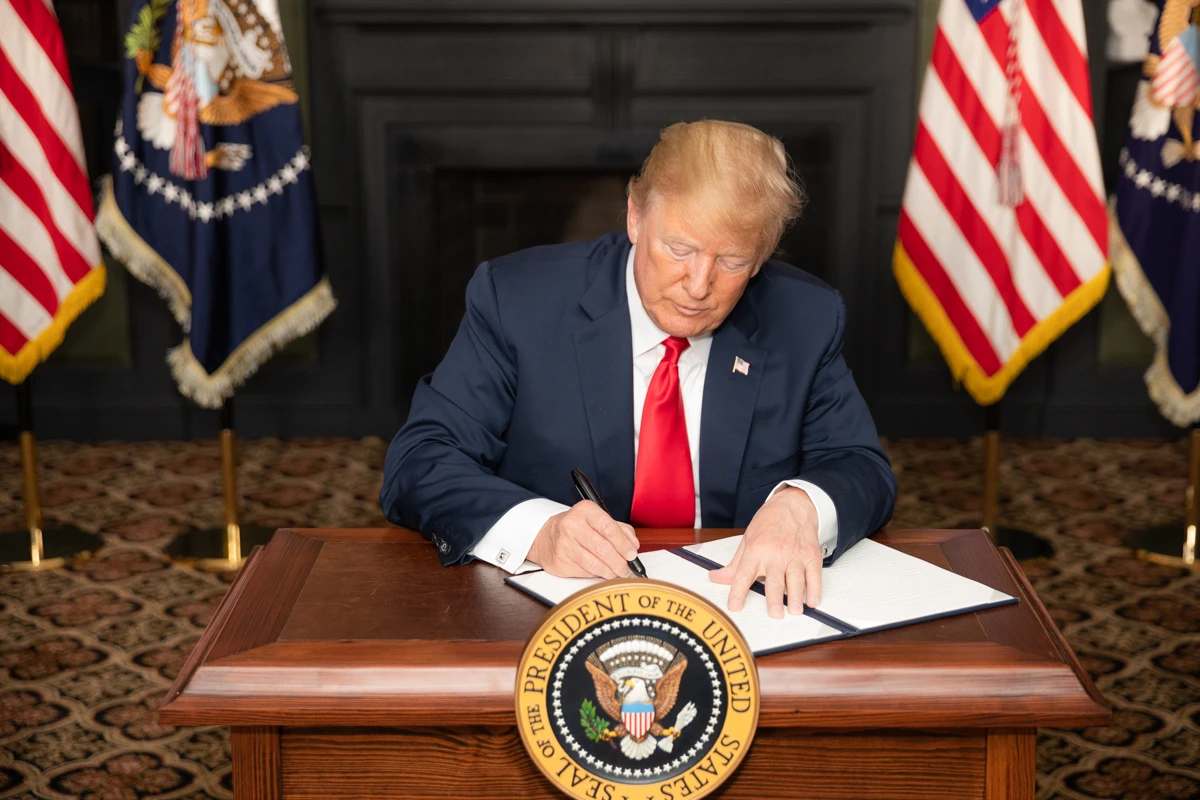
Donald Trump called Tehran “unbelievably duplicitous” after Iran rejected his claim that talks with the United States were about to restart, widening a credibility gap over the state of diplomacy between the two countries. Trump had said on Sunday that new U.S.-Iran talks would begin Monday afternoon, after he called off planned strikes on Iran and described the canceled operation as “the biggest attack since World War II.”
The president also said earlier that the “perimeters of a deal” had been agreed on the Strait of Hormuz and Tehran’s nuclear program. Iranian officials flatly denied that account, saying there were no talks underway with the United States and no plans for any meetings. Iranian foreign ministry spokesman Esmail Baghaei was identified in reports as rejecting the idea that negotiations had resumed, underscoring how far apart Washington and Tehran remain on even the basic question of whether diplomacy is active.
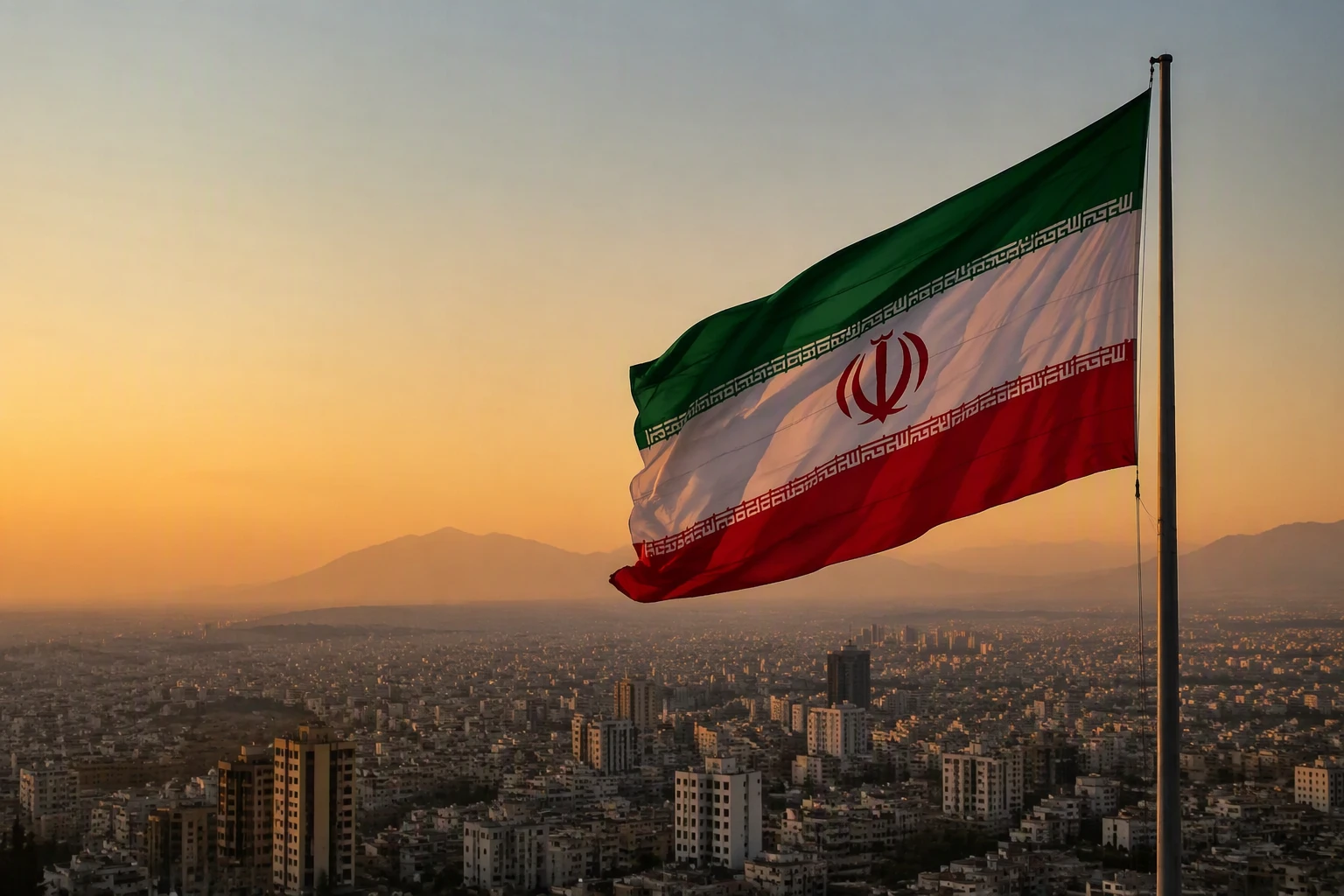
The mixed signals point to a narrower and more fragile channel than Trump’s public comments suggested. Rather than direct U.S.-Iran talks, several accounts over the weekend described Iranian officials focusing on arrangements with Oman over the Strait of Hormuz, the strategic waterway through which a large share of global energy shipments pass. Gulf states also backed an Omani proposal that would let Iran collect voluntary fees from shipping using the strait, a sign that any practical deal may be centered on maritime access and de-escalation rather than a broader breakthrough on Iran’s nuclear program.
The stakes are larger than a dispute over wording. Oil prices fell after Trump signaled he was pausing strikes, reflecting how quickly the market responds to any hint of conflict near Hormuz. Trump said on Aug. 1 that he would hold off on a fresh attack in hopes of a quick deal, even as the region remained on alert and the White House tried to project that military pressure and diplomacy could move together.
For allies watching Washington, the contradiction matters because it leaves deterrence and negotiation blurred. If backchannel talks exist, they appear to be limited, indirect and centered on Oman, not the direct restart Trump described. If they do not, the public gap between the president’s claims and Tehran’s denial increases the risk of miscalculation around one of the world’s most sensitive energy chokepoints.
Sources
- [1]cbsnews.com
- [2]reuters.com
- [3]washingtonpost.com
- [4]bbc.co.uk
- [5]aljazeera.com
- [6]nbcnews.com
- [7]cbc.ca
- [8]upi.com
- [9]apnews.com