World
Trump cancels Iran strikes, says nuclear deal could be close
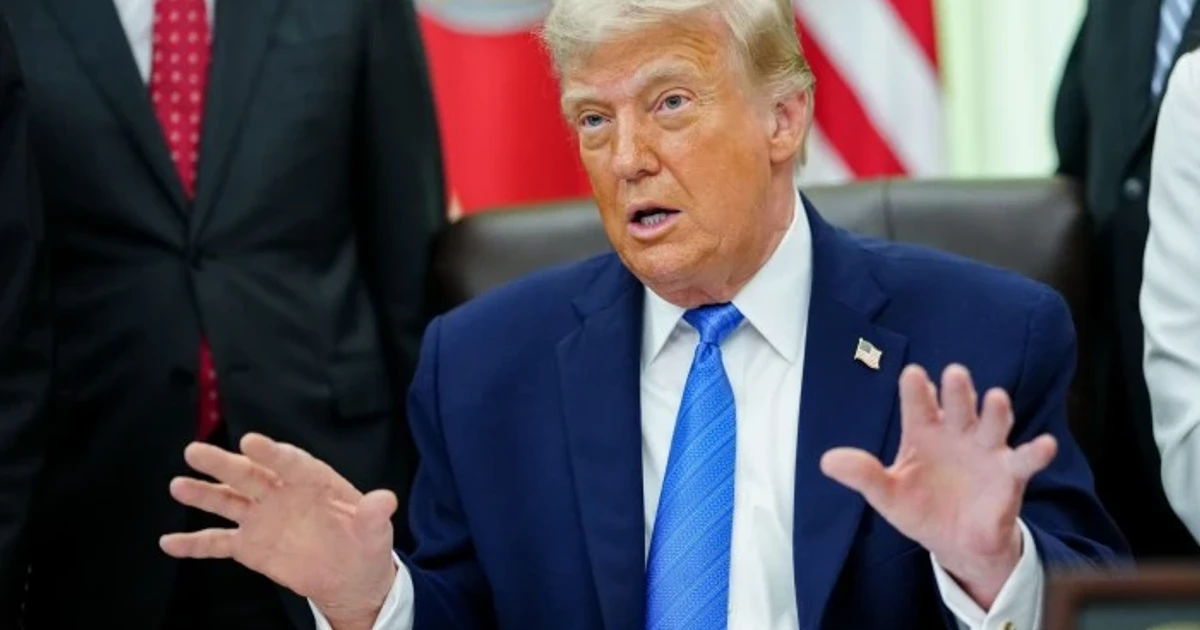
Trump abruptly canceled planned strikes against Iran on Thursday and said a nuclear deal could be signed as soon as this weekend, a sharp reversal after days of threats and fresh exchanges of fire. The pause turned on a draft agreement that would extend the ceasefire, reopen the Strait of Hormuz and launch 60 days of talks on Iran’s nuclear program.
Three sources briefed on the talks said key gaps were narrowed Wednesday in discussions between Iranian officials and Qatari mediators, a sign that the drama moved quickly enough to stop an imminent military strike. But Tehran pushed back just as fast, saying there had been no "final decision," underscoring how far apart the two sides still were even as Trump described the emerging deal as a "great settlement" and, at moments, a peace deal.
The stakes were unusually high because the United States and Iran had traded strikes for a second day on Thursday. Reuters and the Associated Press described the exchange as pushing the Middle East closer to a wider war, while NPR reported Trump said he was canceling strikes for that evening and that a peace deal was imminent.
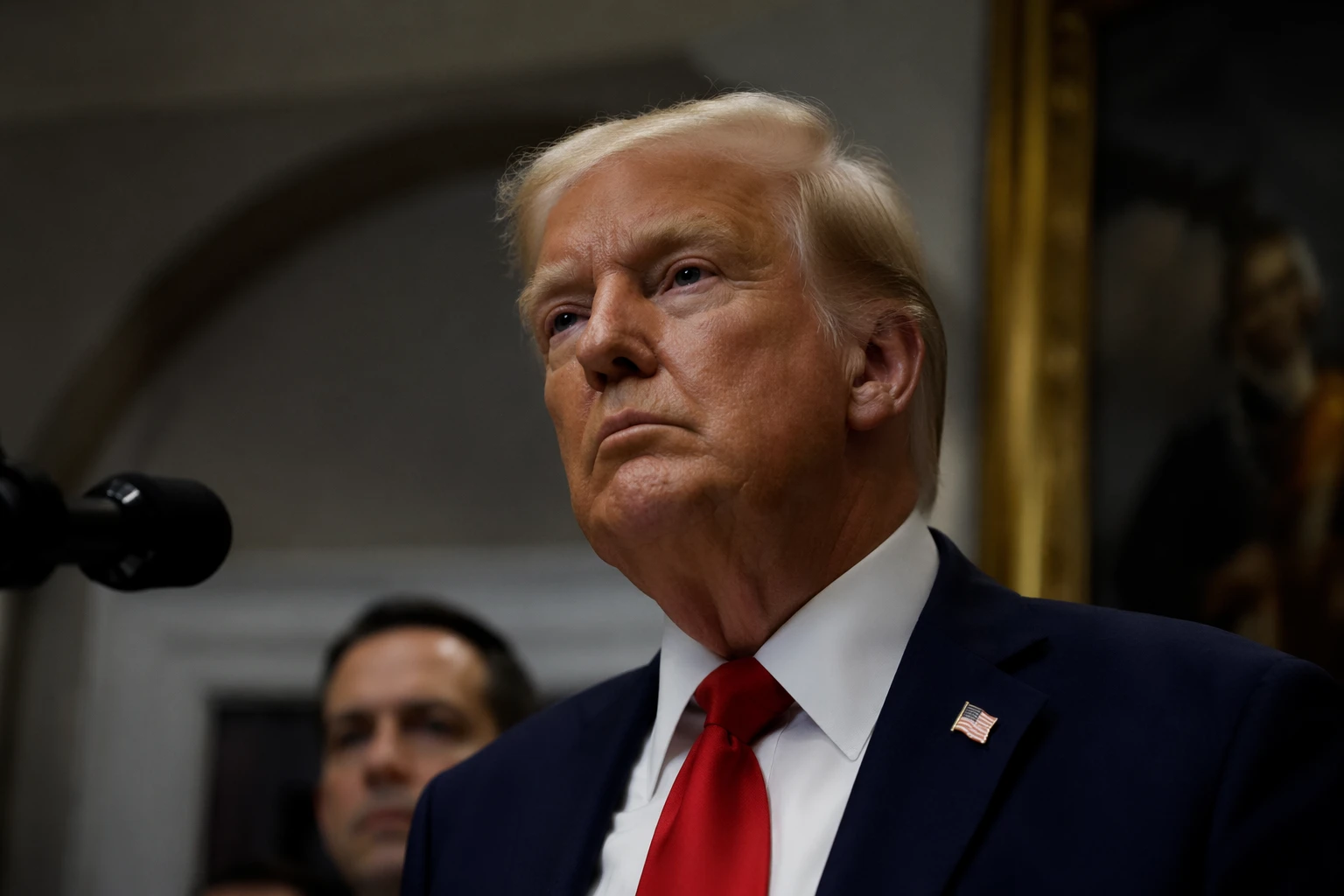
Trump had been escalating publicly before he reversed course, warning that Iran could be hit "very hard" and raising the possibility of targeting Iranian oil infrastructure and Kharg Island, the country’s key export hub. That made the diplomatic channel through Qatar more consequential, especially because the Strait of Hormuz sits at the center of the dispute and any reopening of shipping would affect global oil flows and regional security.
The question now is whether the latest opening is a real de-escalation or another temporary pause in a cycle of pressure and retaliation. Politico reported earlier this week that a senior White House official still viewed the deal as "still close" even after U.S. retaliatory strikes, a reminder that Washington has been signaling both coercion and compromise at the same time. If the draft holds, it would buy 60 days of negotiations and lower the risk to U.S. forces, shipping lanes and energy markets. If it does not, the reversal could prove to be only a brief pause before the next round of strikes.
Sources
- [1]news.google.com
- [2]axios.com
- [3]politico.com
- [4]npr.org
- [5]apnews.com
- [6]usnews.com