US News
Trump Cancels Planned Pakistan Visit for Iran Talks
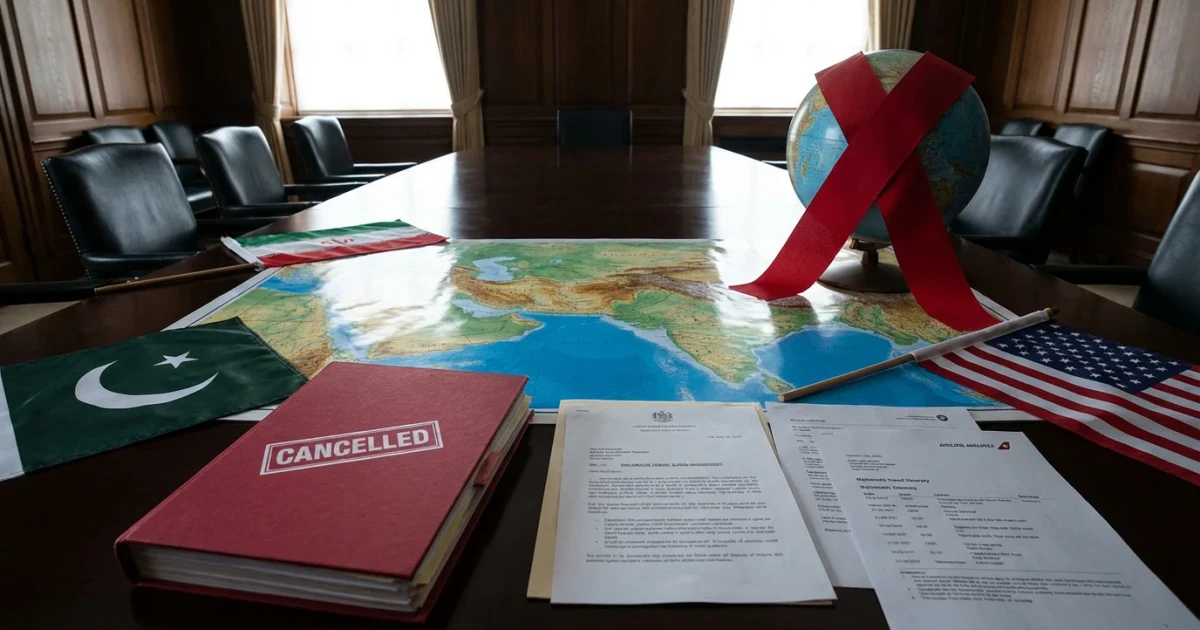
President Donald Trump has cancelled a scheduled trip to Pakistan by prominent advisors Steven Witkoff and Jared Kushner, originally intended to facilitate peace talks with Iran, according to The Washington Post. The move comes amid ongoing tensions in the region and highlights the complexity of U.S. diplomatic efforts involving both Pakistan and Iran.
Diplomatic Efforts Stalled
The planned visit was viewed as a significant opportunity for the United States to engage Pakistani leadership in supporting U.S.-Pakistan bilateral relations and to encourage dialogue with Iran. Pakistan has historically played a pivotal role in regional diplomacy, serving as a potential bridge between the U.S. and Iran. The cancellation signals a pause in these diplomatic efforts, potentially delaying progress toward de-escalation.
Key Players: Witkoff and Kushner
- Steven Witkoff: Real estate executive and informal advisor to Trump, tasked with economic and diplomatic initiatives.
- Jared Kushner: Senior advisor and son-in-law to Trump, known for his involvement in Middle East peace negotiations.
Their visit was expected to include meetings with Pakistani officials and possibly indirect discussions with Iranian representatives, as Pakistan maintains relationships with both countries.
Context: U.S.-Pakistan and Iran Relations
The U.S. relationship with Pakistan has long been characterized by cooperation and challenges, especially in the realms of security, trade, and regional diplomacy. Pakistan’s strategic position and influence make it a valuable partner in efforts to address tensions with Iran. For further historical context, see this brief history of U.S.-Pakistan relations.
Meanwhile, U.S.-Iran relations remain strained, with ongoing sanctions imposed by the UN Security Council and persistent disagreements over nuclear and regional policies. Diplomatic initiatives have frequently involved third-party mediators, with Pakistan often serving as a conduit for dialogue.
Implications for Peace Talks
The cancellation of the trip raises questions about the immediate prospects for peace talks. While no official reason was given for pulling back, analysts suggest that shifting priorities within the Trump administration and recent escalations may be factors. With regional tensions high, the absence of direct engagement may stall momentum toward negotiations.
As reported by The Washington Post, the administration remains committed to exploring diplomatic solutions, but the abrupt change underscores the unpredictable nature of international diplomacy in the region.
Regional Perspectives
- Pakistan has historically advocated for peaceful resolution and dialogue between the U.S. and Iran.
- Iran continues to demand relief from sanctions and guarantees on sovereignty in any talks.
- The U.S. seeks to leverage economic and diplomatic incentives, often through intermediary partners like Pakistan.
For more on Iran’s military capabilities and the background to ongoing tensions, see the Council on Foreign Relations backgrounder.
Looking Ahead
While the cancellation represents a setback for immediate peace efforts, it does not foreclose the possibility of future negotiations. The U.S. may seek alternative venues or mediators, and Pakistan’s role as a diplomatic partner remains crucial. Regional stability will depend on continued dialogue and the willingness of all parties to participate in constructive talks.
The evolving geopolitical landscape and the complex interplay of interests will shape the next steps. As diplomatic channels remain open, observers expect renewed efforts to find common ground in the months ahead.