Sports
Trump casts shadow over White House UFC fight night
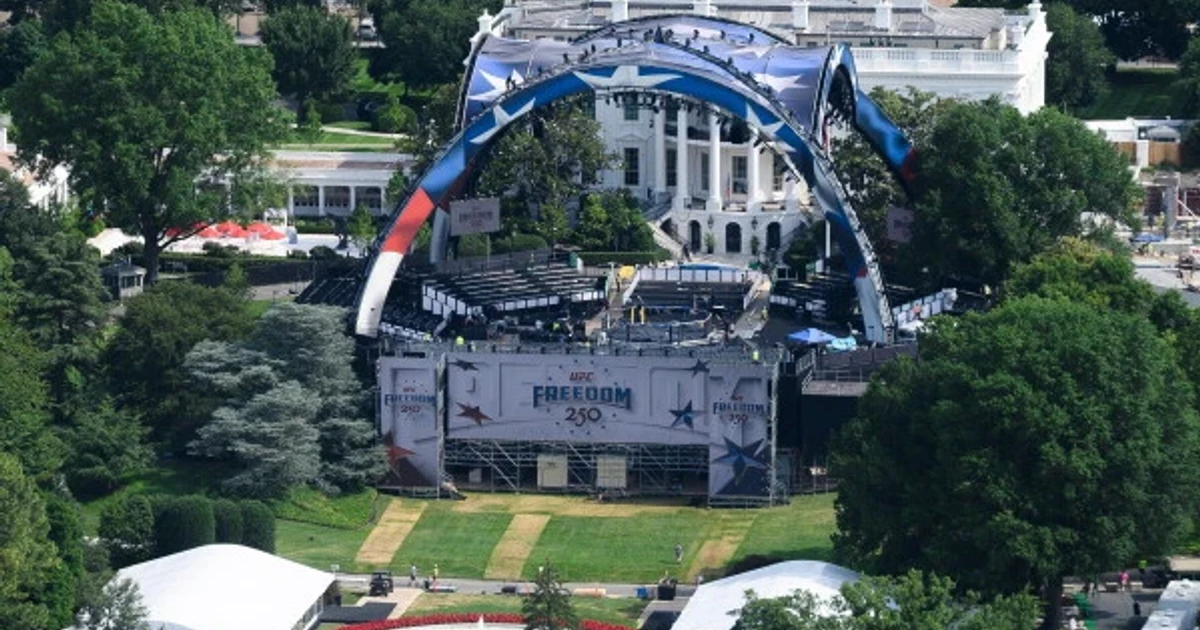
At the White House, the UFC turned a government residence into a stage for masculine branding, political theater and live combat, with President Donald Trump looming over Freedom 250 even when he was not in the frame. Fighters arrived on June 11, 2026, for a card that fused sport and spectacle in a setting usually reserved for diplomacy and ceremony.
The event carried the UFC’s own language of reinvention. Freedom 250 joined the sport’s earlier branding experiments, including Fight Island, but the symbolism on government grounds was more pointed: a public institution was recast as a backdrop for toughness, loyalty and televised entertainment. Trump, a longtime UFC booster, became the invisible guest shaping the atmosphere before a punch was thrown.
Several fighters said they were honored to compete in front of Trump on the White House card, a sign that the audience mattered as much as the matchup. The message was not only for the fans in the building or watching at home. It was also aimed at a broader political coalition that treats combat sports, patriotism and outsider swagger as overlapping forms of identity.
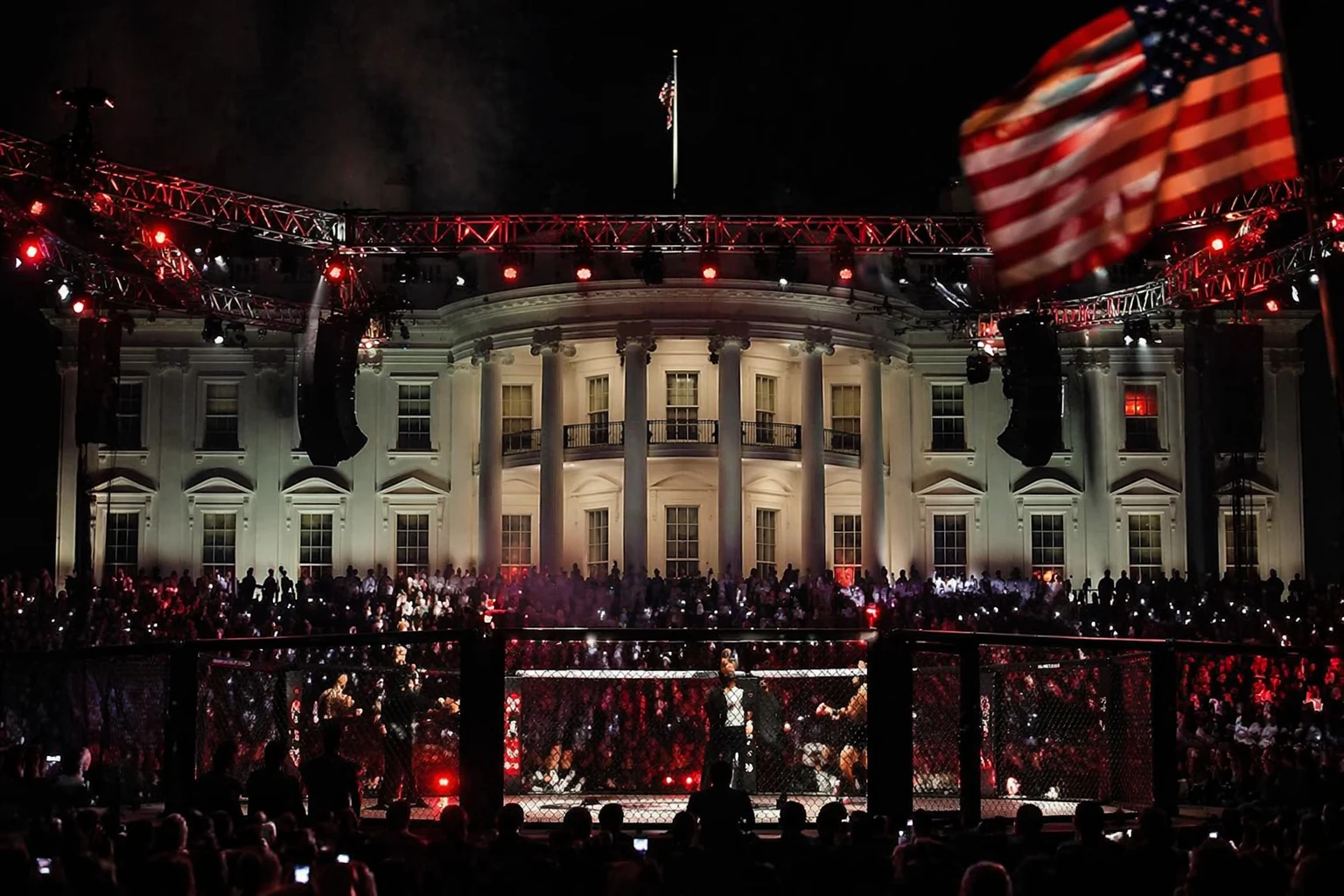
That overlap has real political value. UFC events already trade on demographic intensity, brand loyalty and a culture of personal combat. Moving the Octagon to the White House took that formula further, converting a symbol of state power into a stage for cultural signaling. The event asked a simple question beneath the noise: was this fight night for sport, for voters or for the same audience that sees both as one and the same?
In that sense, Freedom 250 was less an ordinary card than a portrait of Trump’s political style. He was not just attached to a sport he likes. He helped turn the White House into a venue where entertainment, grievance and strength branding could be sold as national image.