Politics
Trump cites declassified documents to revive election fraud claims
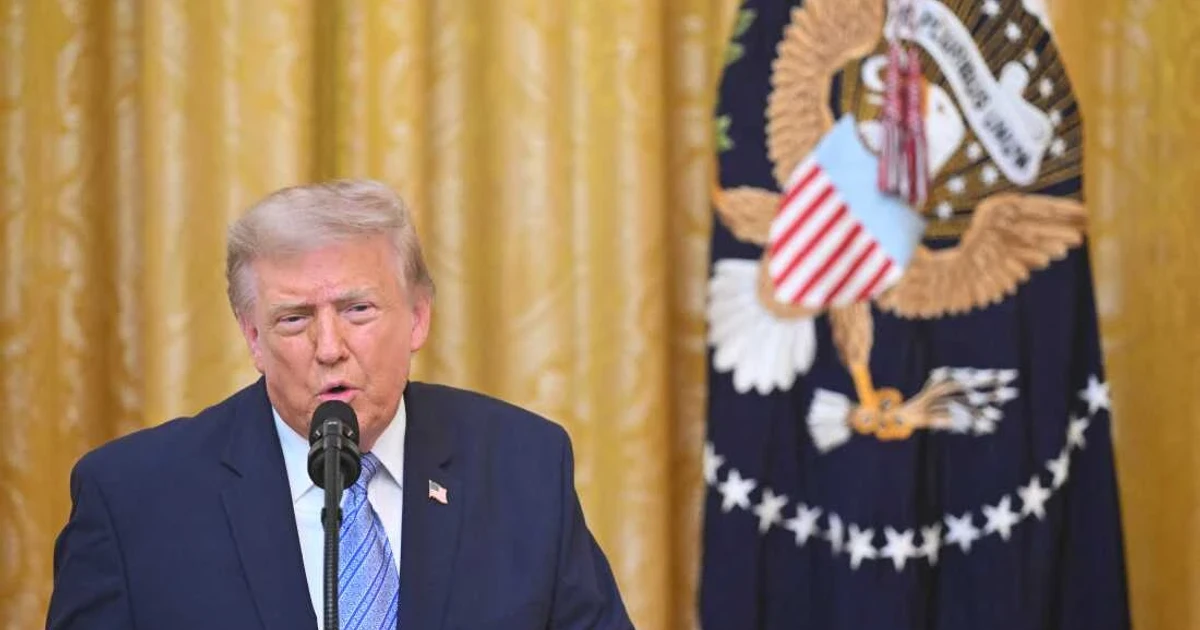
Donald Trump used a White House primetime address to cite newly declassified intelligence-related documents as evidence that American elections remain vulnerable. Speaking from the East Room on July 16, he accused China of interfering in the 2020 election and described U.S. voting systems as having "shocking vulnerabilities."
The 26-minute speech was paired with a White House release on its Election Integrity page, where officials posted declassified material described as previously classified intelligence community assessments and other reports tied to election security. Trump used the documents to revive long-running claims about election fraud and foreign interference, while suggesting that electronic voting systems remain exposed to manipulation.
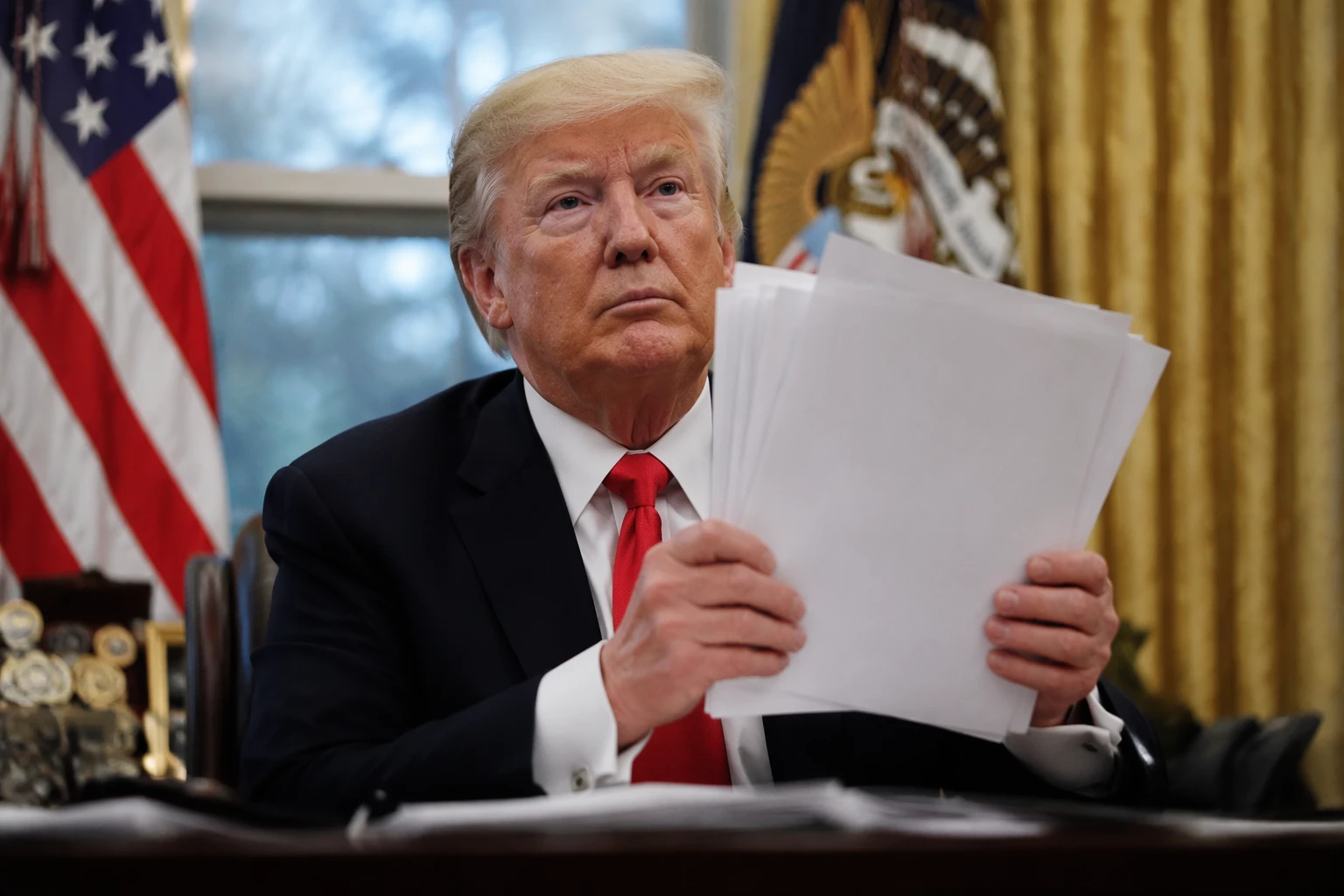
The material did not deliver the sweeping proof Trump implied. Critics and election experts said the documents contained no new revelations, and the declassified files did not back up his new allegations. Some of the material was heavily redacted, making it impossible to extract the kind of clear evidentiary support Trump appeared to suggest was there. The gap between the official release and the president’s claims sharpened concerns that declassification can be used to confer government legitimacy on arguments that courts, election officials and prior investigations have already rejected.
Trump’s message fit a pattern he has repeated for years: he has long contended, without evidence, that he won the 2020 election. This speech also tied election security to the broader Republican push ahead of the midterms, with the administration elevating voter ID and election-security themes alongside the SAVE Act. Republican National Committee chair Joe Gruters said the declassified election documents strengthened support for the bill.

The focus on China also marked a deliberate broadening of Trump’s foreign-interference argument. Previous Senate Intelligence Committee investigations documented Russian active measures and counterintelligence threats in the 2016 election, a record that made election interference a familiar national-security issue long before Trump’s latest address. But the latest release did not show the kind of new, exploitable vulnerability that would settle the debate on its own.
Instead, the documents became part of a familiar institutional test: whether intelligence material can be used to separate legitimate election-security concerns from fraud narratives that have already been examined and rejected.
Sources
- [1]nytimes.com
- [2]bbc.com
- [3]reuters.com
- [4]thehill.com
- [5]cnn.com
- [6]npr.org
- [7]abc3340.com
- [8]justice.gov
- [9]intelligence.senate.gov
- [10]nbcnews.com