Science
Trump Claims Credit for NASA Despite Past Budget Cuts
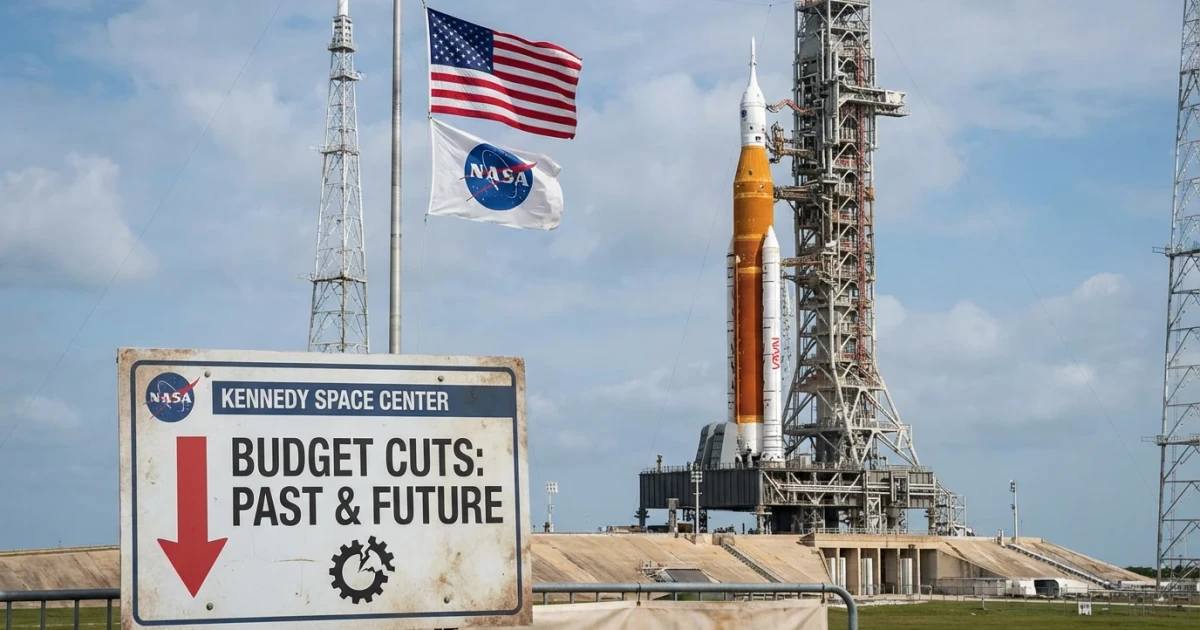
Former President Donald Trump sparked controversy by telling the returning Artemis II astronauts that he "saved NASA" during a call celebrating the mission’s lunar flyby. The remarks, made as the Artemis II crew prepared for re-entry, come despite a well-documented history of proposed budget cuts to the space agency during his administration.
Contradictory Claims on NASA Funding
Trump’s comments drew attention because, during his presidency, his annual budget proposals repeatedly sought to reduce NASA’s overall funding, even as he promoted the Artemis program and the goal of returning Americans to the Moon. Analysis of official budget documents shows that the Trump administration’s FY 2021 NASA budget request called for $22.6 billion, a slight decrease from the previous year’s enacted budget, while the agency’s needs were higher due to Artemis mission requirements. Earlier proposals, such as the FY 2018 and FY 2020 budgets, also recommended lower funding than what Congress ultimately approved.
- In 2018, the Trump administration’s budget proposal called for $19.1 billion for NASA, compared to the $20.7 billion enacted by Congress via the Consolidated Appropriations Act, 2018.
- Each year in office, presidential requests sought to eliminate or reduce funding for several NASA science and education programs.
- Congress, with bipartisan support, regularly restored or increased the agency’s budget above the president’s recommendation.
Artemis II: A Milestone for NASA
The Artemis II mission marked a significant step forward for American space exploration, sending astronauts on a lunar flyby for the first time in more than five decades. The mission drew global attention, with NASA livestreaming the crew’s return to Earth and highlighting the technological and scientific progress made under the Artemis program.
While the Trump administration did support the Artemis initiative in principle—and set the ambitious target of landing astronauts on the Moon by 2024—experts note that the program’s sustained funding and long-term success have depended on bipartisan Congressional appropriations rather than executive proposals alone. The Congressional Research Service and NASA’s Office of Inspector General have documented the challenges and uncertainties in Artemis funding, including cost overruns and shifting timelines.
Political Messaging and the Record
Trump’s assertion that he saved NASA stands in contrast to his administration’s track record of proposed spending reductions. His comments echo a broader pattern in American politics, where leaders from both parties seek to claim credit for high-profile achievements while complex legislative dynamics shape the underlying reality. The Artemis II mission’s success reflects years of work and investment across multiple administrations, with final appropriations decided by Congress.
Looking Ahead
As the Artemis program continues, NASA’s future explorations of the Moon and beyond will likely remain the product of both executive advocacy and legislative support. The Artemis II mission reminds the public that while presidential leadership can set priorities, sustained funding and bipartisan commitment are essential for long-term space exploration goals.