US News
Trump Claims Iran Deal Near, Strait of Hormuz Set to Reopen
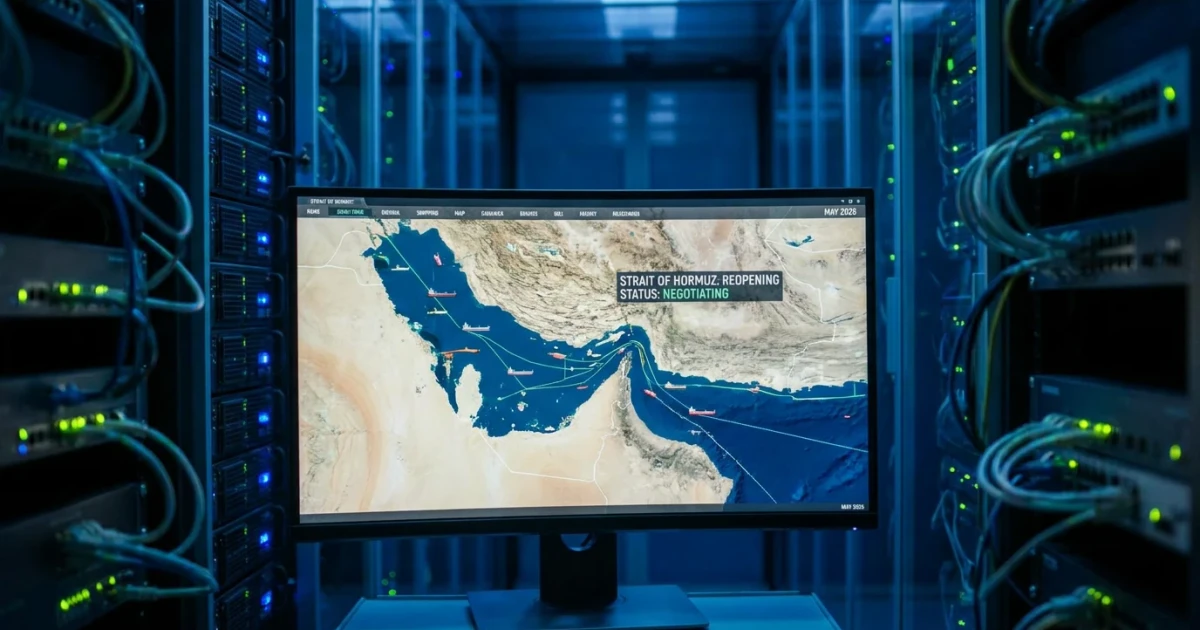
Donald Trump announced on Thursday that negotiations with Iran regarding both a peace agreement and the reopening of the Strait of Hormuz are "largely negotiated," signaling a potential turning point in the ongoing regional conflict and the restoration of global oil transit through one of the world’s most vital chokepoints. Multiple news outlets, including NPR, NBC News, and CNBC, reported the development, each highlighting the significance of the deal and its impact on international energy markets and regional stability.
Breakthrough in Iran Negotiations
In statements made Thursday, Trump asserted that talks with Iran have reached an advanced stage, with a deal covering both the cessation of hostilities and reopening of the Strait of Hormuz "largely negotiated" and expected to be announced soon. NBC News noted that this comes amid a fragile ceasefire, raising hopes for a lasting peace in a region recently marked by escalating tensions and military confrontations.
- The proposed agreement reportedly includes provisions to halt fighting and restore safe passage for commercial vessels.
- CNBC emphasized Trump’s confidence that the deal would soon be finalized, though no official documents have yet been released.
- NPR highlighted the deal’s dual focus: both ending the conflict and reopening the critical waterway.
Importance of the Strait of Hormuz
The Strait of Hormuz is a strategic maritime passage through which approximately one-fifth of the world’s oil supply flows. Recent hostilities and blockades have sharply reduced transit volumes, causing volatility in global energy prices and raising concerns among major oil importers.
- According to the U.S. Energy Information Administration, the Strait typically handles over 20 million barrels of oil daily, underscoring its global economic importance.
- Shipping risk analyses have tracked recent disruptions, detailing the impact on vessel movements and insurance premiums.
Ceasefire and Regional Security
Trump’s statement comes amid a tenuous ceasefire, with NBC News reporting that the situation remains "fragile" and dependent on the successful conclusion of negotiations. The history of conflict between the U.S. and Iran, including recent sanctions and military actions, adds complexity to the talks.
- The UN Security Council sanctions on Iran remain in place, though the proposed agreement could trigger further diplomatic efforts to lift or ease restrictions.
- The U.S. Department of State's 2023 Country Reports on Terrorism assess Iran’s regional activities and implications for security negotiations.
Impacts on Oil Markets and Global Trade
Industry observers and analysts are closely watching the talks, given the potential for a significant boost in oil supply and stabilization of prices if the Strait is reopened. CNBC stressed that the deal could have immediate effects on energy markets, with traders already responding to the prospect of restored flows. The blockage had led to price spikes and concerns over supply chain disruptions.
- Reopening the Strait would allow crude exports from Gulf states to resume normal levels, impacting foreign investment flows into Iran and neighboring countries.
- Global shipping indexes and risk analyses suggest a return to pre-crisis traffic volumes if the ceasefire holds.
What Happens Next?
While Trump’s comments indicate optimism, the details of the agreement and its implementation remain unclear. Each outlet noted that the deal is not yet finalized, and both regional and international stakeholders will be monitoring its progress. Any announcement will likely trigger further diplomatic engagement, including potential reviews of sanctions and security guarantees.
For readers seeking deeper context on the history and complexity of these negotiations, the Council on Foreign Relations provides a comprehensive explainer.
Conclusion
Trump’s declaration marks a potentially pivotal moment in U.S.-Iran relations and global oil trade. While the situation remains fluid, and the ceasefire fragile, the prospect of an imminent deal has already begun impacting international markets and diplomatic channels. As details emerge, the world will be watching for confirmation and implementation of the agreement, which could signal a new phase for the region’s stability and economic recovery.