Politics
Trump commutes GPB fraudster David Gentile’s sentence, sparking backlash
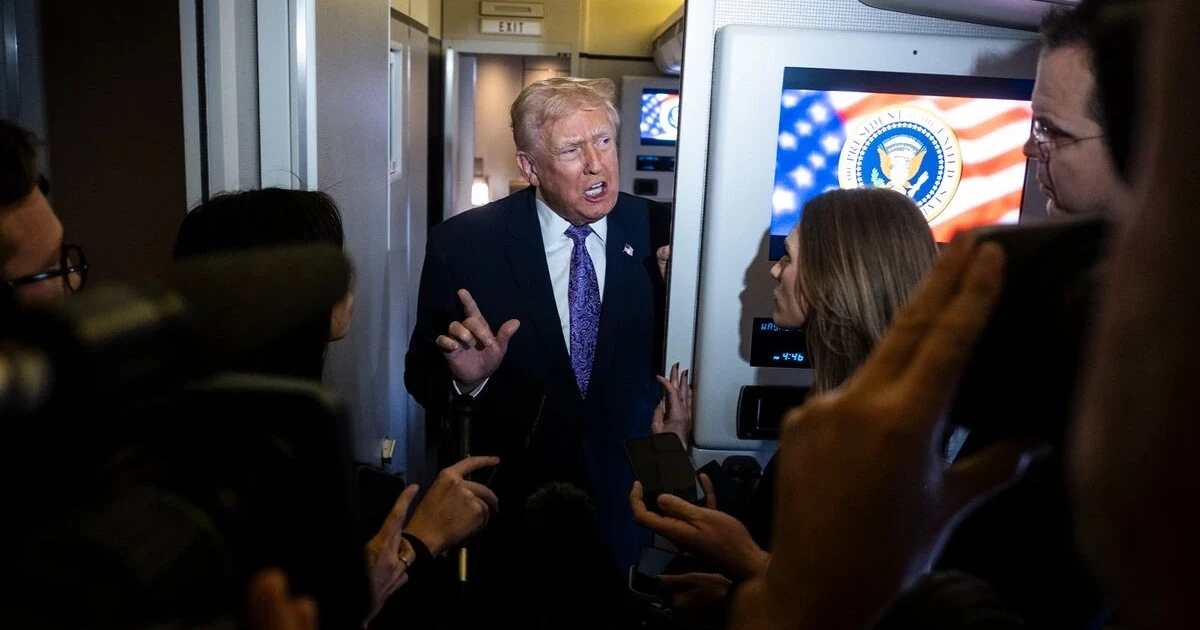
Donald Trump’s commutation of David Gentile wiped out a seven-year prison sentence, eliminated fines and restitution, and reopened a hard question about whether access matters more than accountability in presidential clemency. Gentile had entered prison only days before Trump signed the order on November 26, 2025, and the move quickly drew scrutiny because it reached into a fraud case involving more than 10,000 investors and about $1.6 billion raised by GPB Capital.
Gentile had been sentenced on May 9, 2025, after a federal jury in Brooklyn convicted him in August 2024 following an eight-week trial. Prosecutors said Gentile and co-defendant Jeffry Schneider used investor money to make distributions and create a false appearance of success, a structure that left ordinary investors carrying the losses while the operation appeared to keep paying off. The Justice Department later said the commutation reduced Gentile’s sentence to time served with no further fines, restitution, probation or other conditions, and a subsequent grant of clemency erased his $15.5 million restitution obligation.
The case took on a second layer of controversy because federal prosecutors had been examining the circumstances behind the commutation itself. Reporting said investigators were looking at whether improper payments of $2.5 million or more were made to help secure the pardon-like relief, and Gentile had worked with the Rev. Frank Mann, a retired Queens Catholic priest described as friendly with Trump. Mann also delivered the closing benediction at Trump’s January 20, 2025 inauguration, adding to concerns that personal access may have influenced a process meant to operate above private influence.
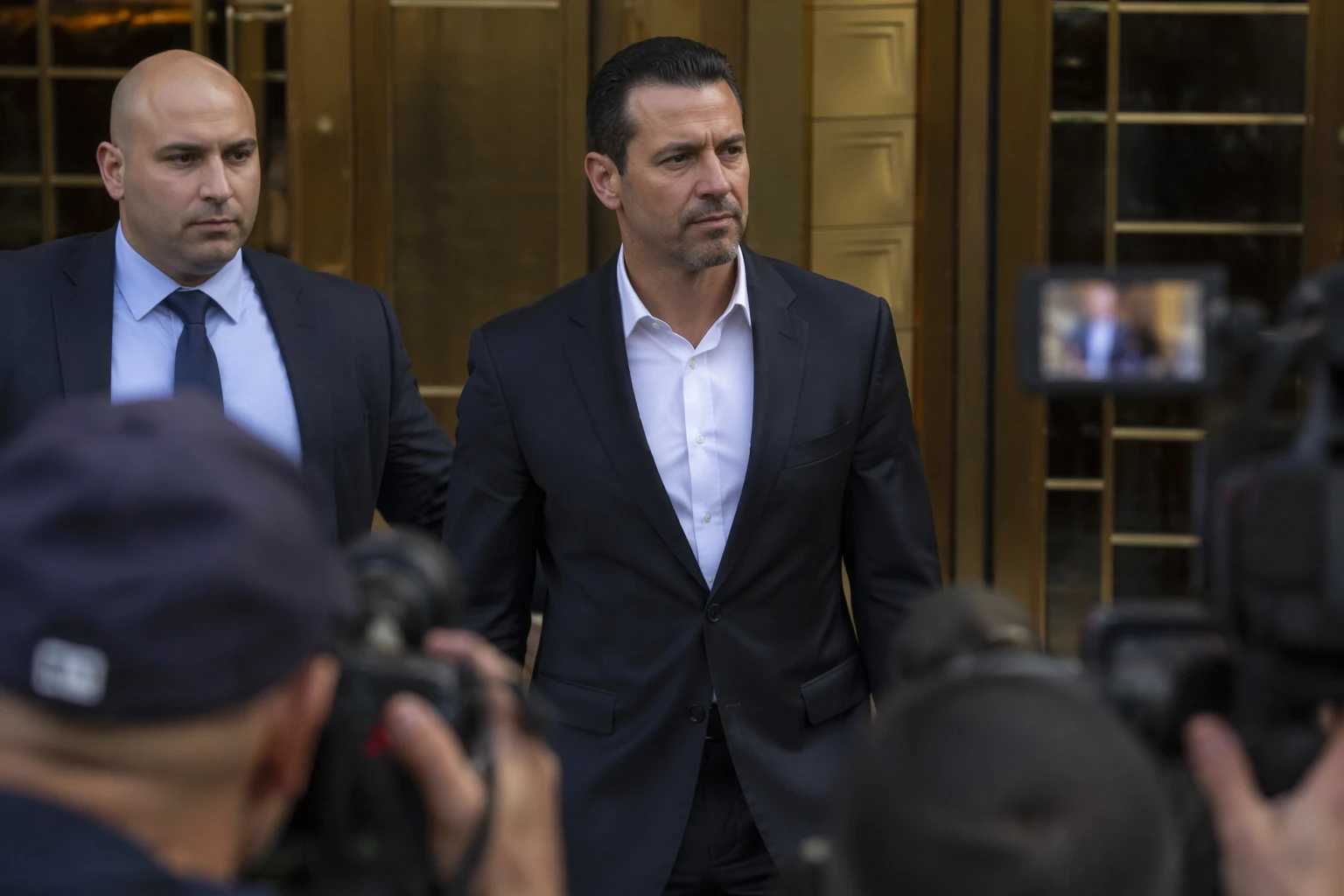
That alarm spread to the Senate. Nine Democrats led by Sen. Ruben Gallego wrote to the White House on December 12, 2025, calling the commutation a betrayal of more than 17,000 Americans who lost more than $1 billion in the GPB scheme. The senators asked why Gentile received clemency while Schneider remained in prison, whether victims were consulted, and what safeguards existed to keep future fraudsters from receiving the same treatment.
The White House defended the decision by arguing that Gentile had been treated unfairly and that GPB had disclosed to investors that capital could be used to fund distributions. But the broader issue remains larger than one investor fraud case: when a president can erase a court sentence, restitution and all, after a conviction in a massive financial crime, the burden shifts to whether clemency is still a check on justice or becoming a channel for favoritism.
Sources
- [1]nytimes.com
- [2]justice.gov
- [3]investmentnews.com
- [4]gallego.senate.gov
- [5]cathstan.org