US News
Trump Considers USMCA Withdrawal Amid Tariff Tensions
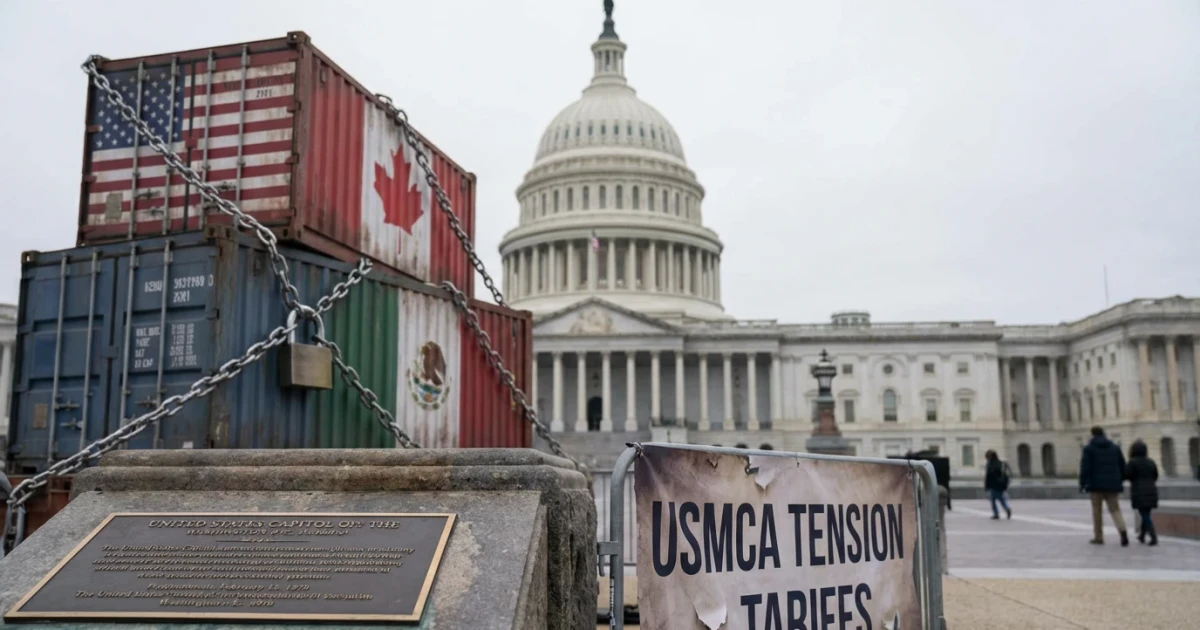
Former President Donald Trump is reportedly considering withdrawing the United States from the United States-Mexico-Canada Agreement (USMCA) as his proposed tariffs continue to face significant resistance in the House of Representatives. The ongoing debate underscores the complex dynamics of U.S. trade policy and the future of North American economic relations.
Tariffs at the Center of Political Friction
The latest tensions stem from Trump’s renewed push for broad tariffs aimed at China and other trading partners—a hallmark of his previous administration. These measures, designed to bolster American manufacturing and address trade imbalances, have reignited debate in Congress, where House members have voiced strong opposition. Yahoo Finance reported that the House is preparing a formal rebuke of Trump’s tariff proposals, reflecting bipartisan concern over potential economic impacts.
- Recent U.S. tariffs have targeted a range of goods, impacting industries from technology to agriculture
- Opponents argue tariffs risk raising consumer prices and disrupting supply chains
- Proponents claim tariffs are necessary to protect American jobs and pressure trading partners into fairer agreements
For readers interested in the specific data, the value of U.S. imports from China provides insight into how trade flows have responded to these policies.
Possible USMCA Withdrawal Raises Trade Uncertainty
The United States-Mexico-Canada Agreement, which replaced NAFTA in 2020, has been a cornerstone of North American trade. Trump’s potential move to leave the USMCA could have significant consequences for businesses and workers across the continent, threatening tariff-free trade for key industries like automotive, agriculture, and energy.
The prospect of withdrawal adds uncertainty for companies dependent on cross-border supply chains. According to U.S. international trade data, Canada and Mexico remain among America’s largest trading partners, with hundreds of billions of dollars in goods moving across borders annually.
Legal and Economic Implications
Leaving the USMCA would require significant legal steps. The USMCA Implementation Act lays out the terms and process for withdrawal, including notification requirements and a waiting period. The move would likely trigger complex negotiations and possible retaliatory measures from Canada and Mexico.
Economic analysts warn that a USMCA exit could increase costs for businesses and consumers, as tariffs would return on goods that currently move freely. Shifts in import and export price indexes often follow major trade policy changes, providing a barometer for inflationary pressures.
Looking Ahead
As Trump weighs this major policy decision, all eyes are on Congress and the White House for next steps. The House’s planned rebuke signals ongoing resistance to sweeping tariffs, while business groups and trade partners brace for potential upheaval. The coming weeks are likely to bring further debate over the costs and benefits of reshaping America’s trade agreements.
For those tracking the evolving trade landscape, official resources like the Bureau of Economic Analysis trade statistics and the Peterson Institute’s trade war tariff tracker offer up-to-date data and analysis.
The debate over tariffs and USMCA withdrawal highlights the persistent tensions in U.S. trade policy—balancing protectionist impulses with the realities of an interconnected global economy. As the story develops, stakeholders across North America will be watching closely for signals of where U.S. policy is headed next.