World
Trump Criticizes Iran’s Proposal as Insufficient Amid Infrastructure Attacks
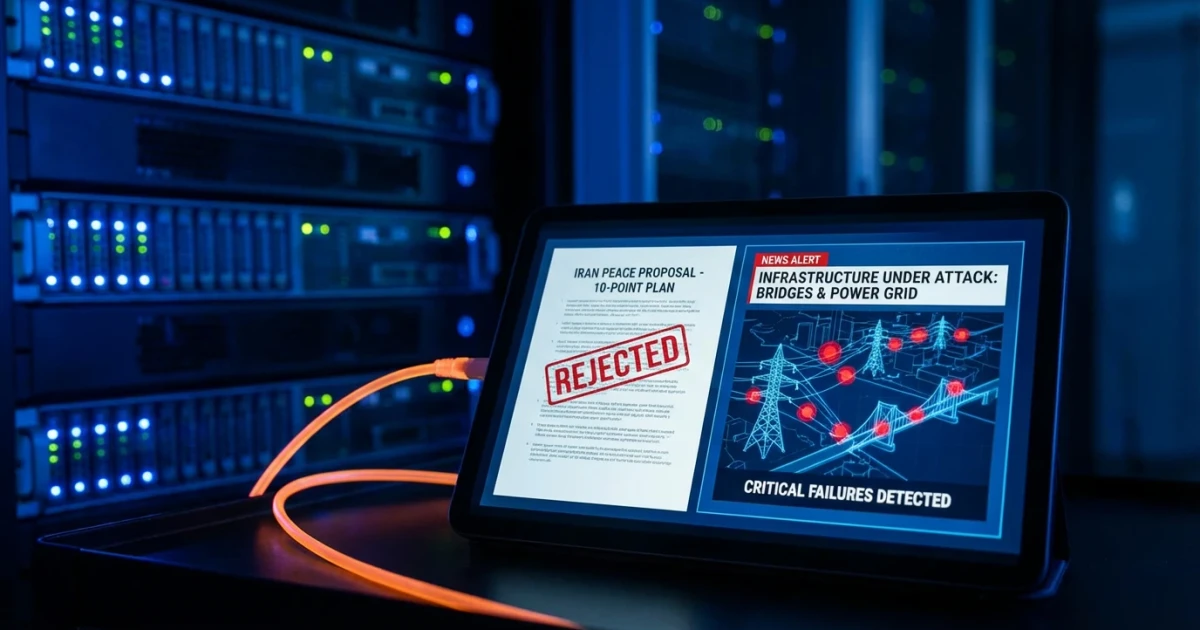
Donald Trump has publicly criticized Iran’s newly unveiled 10-point proposal to end hostilities, arguing that the plan does not sufficiently address ongoing attacks on critical infrastructure such as bridges and power stations. The statement comes as tensions escalate following Iran’s rejection of a recent US-brokered ceasefire agreement, and as concerns mount over the security of vital infrastructure in the region.
Iran’s 10-Point Plan Seeks End to War
According to reporting from The New York Times, Iran presented a comprehensive 10-point proposal intended to bring an end to the current conflict, soon after turning down a US ceasefire initiative. While full details of the plan have not been made public, diplomatic sources indicate it includes provisions for phased de-escalation, the lifting of selected sanctions, and regional security guarantees. Iranian officials have framed the proposal as a good-faith effort to restore stability, emphasizing their willingness to engage in multilateral talks.
- The proposal reportedly covers a timeline for the withdrawal of foreign military forces.
- It calls for international monitoring of ceasefire terms.
- It includes humanitarian corridors and reconstruction aid for damaged civilian infrastructure.
Iran’s offer comes at a time when the country faces mounting international pressure, with the United Nations and the European Union urging all sides to seek a diplomatic solution. For readers seeking further background on Iran’s international negotiations, the UN Security Council’s JCPOA documents provide official records and recent proposals related to Iran’s diplomacy.
Trump’s Response: Security Concerns Unaddressed
Responding to Iran’s proposal, Trump asserted that it "isn’t enough" to stop the recent wave of attacks targeting bridges and power plants. While Trump did not dismiss the idea of negotiations outright, he insisted that any viable agreement must guarantee the security of critical infrastructure and prevent further sabotage or terrorism against civilian targets.
Though he did not provide specific alternatives, Trump’s stance echoes widespread concern among US officials and international observers about repeated assaults on infrastructure. Recent years have seen a rise in such attacks, often attributed to proxy groups or cyber operatives allegedly linked to Iran. The Global Terrorism Database documents dozens of infrastructure-related incidents in Iran over the past decade, highlighting the ongoing vulnerabilities and the potential for escalation.
Attacks on Infrastructure: A Growing Concern
The security of bridges, power plants, and other critical assets has become a central issue in the conflict. Data from the International Energy Agency shows that Iran’s power generation capacity remains robust but is increasingly exposed to sabotage and cyberattacks. Recent attacks have caused blackouts and disrupted transportation, raising fears of humanitarian crises if the conflict continues.
- Multiple incidents targeting power grids and water facilities have been reported in the past year.
- International experts, such as those cited in the RAND report on Iran’s cyber warfare, note a sharp uptick in both physical and digital attacks linked to the conflict.
- The CSIS analysis details how Iran and its proxies have targeted US and Gulf infrastructure in recent years, adding another layer of complexity to current negotiations.
International Implications and Next Steps
Diplomatic observers note that while Iran’s 10-point proposal marks a significant gesture, its lack of explicit provisions for protecting infrastructure has left key stakeholders unconvinced. Trump’s criticism has found support among some allies, who argue that a sustainable peace agreement must prioritize civilian safety and the resilience of essential services.
At the same time, efforts to resume talks have not been abandoned. The international community continues to press both sides for a compromise, with the hope that further negotiation can yield stronger guarantees for infrastructure protection and a lasting ceasefire.
Analysis
The ongoing dispute highlights a persistent challenge in modern conflicts: ensuring the security of infrastructure that underpins civilian life. As attacks on power plants and bridges proliferate, the pressure mounts on negotiators to address not just political grievances but also the practical needs of populations at risk. With Trump and other leaders demanding tougher safeguards, the road to peace may depend on the ability to craft agreements that combine political compromise with tangible security measures.