Politics
Trump Criticizes Republican Senators Over War Powers Vote After Capitol Breakfast
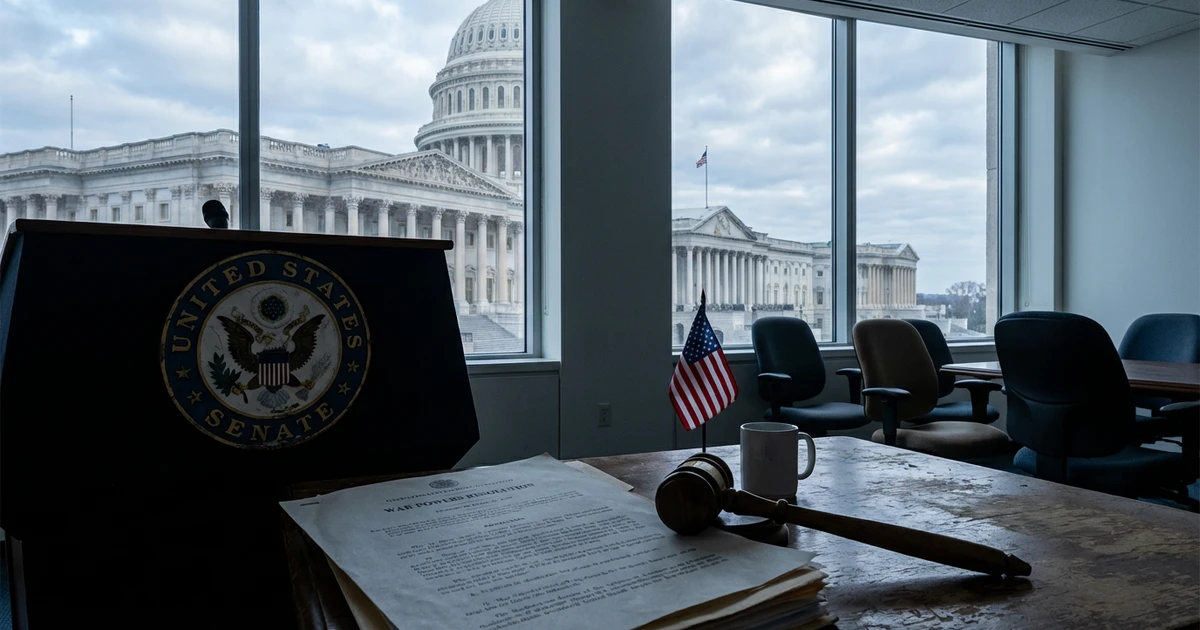
Former President Donald Trump sharply criticized five Republican senators for their votes on war powers legislation, escalating tensions within the GOP and shedding light on the party’s ongoing foreign policy debates. The criticism came shortly after Trump’s breakfast meeting with Republican senators in Washington, further highlighting divisions within Republican ranks on matters of congressional authority and executive military action.
The Context: Senate War Powers Vote
In early January 2026, the Senate held a significant vote on war powers, a recurring point of contention between the legislative and executive branches. The legislation in question sought to reassert congressional authority over decisions to send U.S. forces into armed conflict, a move supported by some lawmakers from both parties who argue that the Constitution grants Congress the sole power to declare war.
- The vote saw five Republican senators break with party leadership and support the measure, reflecting ongoing debates over the proper balance of power in national security matters.
- The issue has long divided Capitol Hill, with some Republicans siding with Democrats and independents in calls for increased congressional oversight of military engagements.
Breakfast Meeting with Republican Senators
Just days before the war powers vote, Trump attended a breakfast with Republican senators in Washington, as reported by C-SPAN. The gathering was part of ongoing efforts to maintain party unity and discuss legislative priorities for the coming year. During the meeting, Trump and senators reportedly addressed a range of topics, including national security, the upcoming legislative calendar, and the party’s 2026 electoral strategy.
The breakfast underscored the importance Trump continues to hold among Senate Republicans, many of whom rely on his support within their states. However, the subsequent war powers vote revealed cracks in party cohesion, demonstrating that not all senators align with Trump on every issue.
Trump’s Public Rebuke—and Its Significance
Following the Senate’s action, Trump publicly blasted the five Republican senators who supported the war powers legislation. His criticism, first reported by PBS, was seen as an attempt to reassert executive primacy over military decisions and to rally the party’s base ahead of the 2026 midterm elections. The rebuke also served as a warning to other Republican lawmakers considering dissent on high-profile votes.
- Trump’s condemnation reflects his longstanding opposition to efforts that limit presidential authority in matters of national defense.
- The public nature of his criticism signals ongoing friction between Trump-aligned Republicans and those advocating for a greater congressional role in foreign policy.
Implications for Republican Unity and Policy
This episode highlights persistent divisions within the Republican Party over the scope of presidential powers—especially in military affairs. While some senators argue that checks and balances are essential for constitutional governance, Trump and his supporters often prioritize a strong executive capable of swift action abroad.
Analysts note that these intra-party debates could shape the party’s foreign policy platform and legislative agenda in the coming years. The outcome of such disputes may also influence how the U.S. engages with global challenges and whether future military actions will require broader congressional approval.
What’s Next?
As the 2026 midterm elections approach, the Republican Party faces pressure to reconcile internal disagreements and present a unified front on key national security issues. Trump’s influential role within the party ensures that his positions will continue to drive debate—both in Congress and on the campaign trail.
Observers will be watching closely to see whether additional Republican senators join calls to reassert congressional war powers, or if Trump’s warnings discourage further defections. The outcome of this struggle could have lasting implications for the balance of power in Washington and the conduct of American foreign policy.