US News
Trump Declares End to Hostilities With Iran
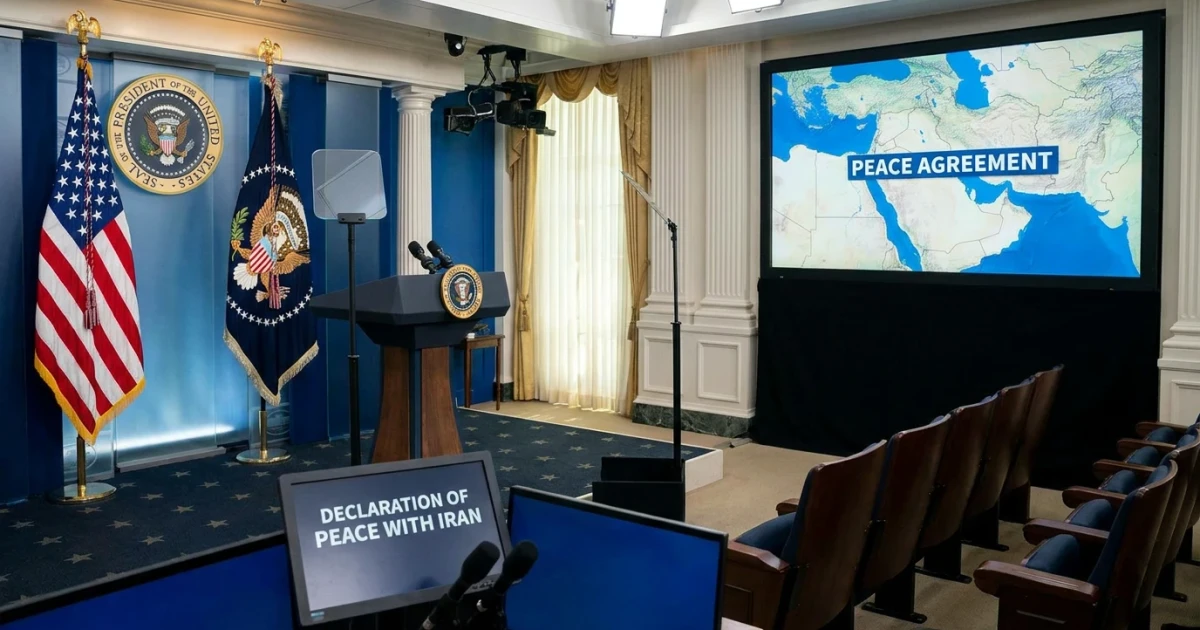
President Donald Trump has announced that the United States is officially ending its military hostilities with Iran, a move that aligns with a critical deadline set by Congress. The announcement comes amid heightened scrutiny over the scope of U.S. operations in the region and ongoing debates in Washington regarding the use of military force.
Termination of Hostilities Announced
On Thursday, President Trump declared that the conflict with Iran is "terminated," signaling a shift in the administration’s approach to Iranian relations after months of elevated tensions. The announcement follows sustained U.S. military activity in the region and comes as Trump faces a congressional requirement to formally address the status of such operations.
According to The Washington Post, Trump's statement was delivered as he reached a congressional deadline established under the War Powers Resolution, which mandates regular presidential updates to Congress on the deployment of U.S. armed forces in hostilities abroad. The move to declare an end to the conflict is seen by many lawmakers as an effort to demonstrate compliance with these oversight requirements.
Congressional Oversight and Legal Context
The War Powers Resolution, passed in 1973, was designed to ensure greater congressional control over U.S. military engagements. The resolution requires the president to notify Congress within 48 hours of deploying military forces and to withdraw those forces within 60 days unless Congress has authorized continued action. Trump’s latest communication to Congress marks the conclusion of this reporting period regarding Iran.
For readers seeking a deeper understanding of the legislative framework, the Congressional Research Service report offers a comprehensive analysis of past applications and compliance with the War Powers Resolution.
Background: Escalation and De-escalation
The U.S.-Iran relationship has been fraught with tension in recent years, characterized by a series of military exchanges, economic sanctions, and diplomatic standoffs. The escalation of hostilities early in Trump’s term included targeted strikes, sanctions, and several public threats between the two nations. However, as Axios noted, the current declaration of "termination" reflects a pivot toward de-escalation and the fulfillment of congressional reporting obligations.
- Data from the U.S. State Department underline ongoing concerns over Iran’s compliance with arms control agreements, although the immediate military threat appears to have receded.
- Analysis by the Congressional Budget Office indicates that the economic sanctions regime continues to impact Iran’s economy, even as direct military confrontation winds down.
International and Domestic Implications
While the announcement is significant, experts note that it does not automatically resolve the underlying disputes between Washington and Tehran. The ongoing enforcement of economic sanctions and continued U.S. military presence in the region mean that relations remain tense, albeit less volatile than during previous flare-ups.
For Congress, the president’s decision to formally declare an end to hostilities satisfies a key procedural requirement, but lawmakers are expected to maintain close oversight of U.S. activities in the Middle East. The United Nations Security Council continues to monitor Iran’s obligations under international agreements, and future developments will likely hinge on regional dynamics and diplomatic efforts.
Looking Forward
President Trump’s announcement marks a turning point in the U.S.-Iran conflict, at least in terms of direct military engagement. However, the broader issues of nonproliferation, sanctions, and regional security remain unresolved. As the administration pivots toward compliance with congressional oversight, the situation remains fluid and will be closely watched by both domestic and international observers.