US News
Trump Declares End to Iran Hostilities, Cites No Need for Congress Approval
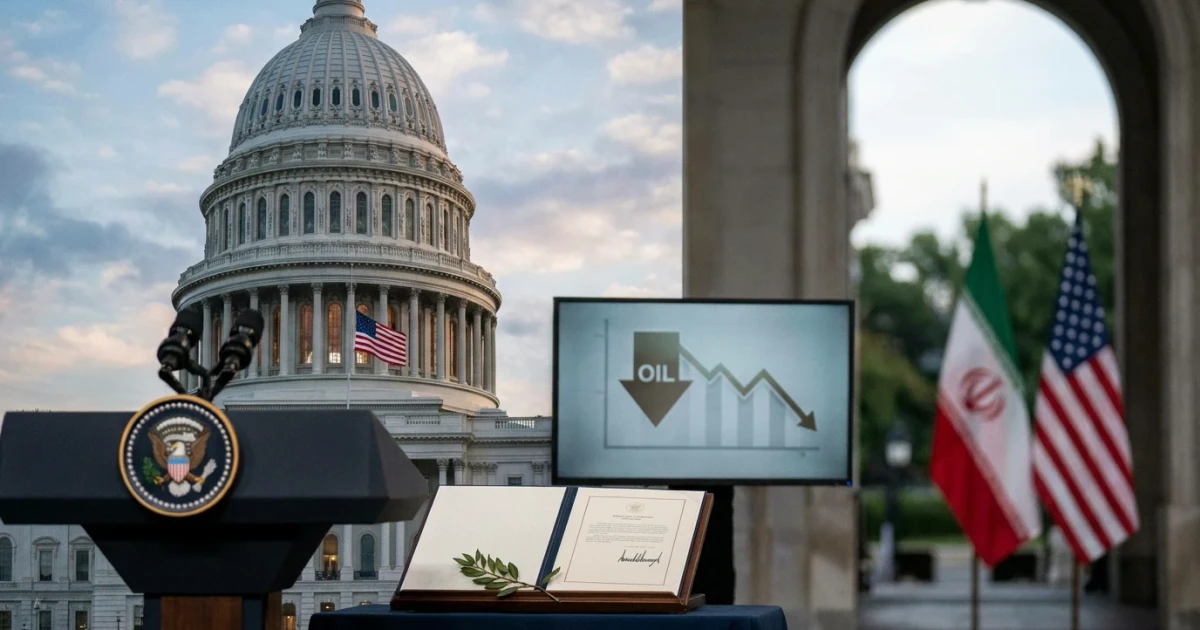
President Donald Trump announced that the deadline for congressional approval of military action against Iran is no longer relevant, asserting that hostilities with Tehran have ended. The development comes amid a notable decrease in oil prices, following Iran's latest diplomatic outreach.
White House Cites End of Hostilities With Iran
The White House position, as reported by AP News, is that the requirement under the War Powers Resolution — which obliges the president to obtain congressional authorization for sustained military engagement — no longer applies. President Trump stated that since 'hostilities have terminated,' the legislative deadline is moot. This interpretation follows a period of heightened tensions and military exchanges earlier in the year.
Congressional Role and the War Powers Resolution
The War Powers Resolution of 1973 was enacted to ensure that both the executive and legislative branches share in decisions that could lead to war or sustained military conflict. According to the law, the president must seek congressional approval within 60 days of introducing armed forces into hostilities. The Trump administration’s stance is that, with the cessation of active hostilities, the legal trigger for congressional authorization is no longer present. Analysts note that this interpretation has been debated in past conflicts, as outlined in the Congressional Research Service's War Powers report.
- The War Powers Resolution requires congressional approval for military action lasting beyond 60 days.
- President Trump argues that, as fighting has ceased, the legal deadline is not relevant.
- Legal experts and legislators have previously disagreed over executive interpretations of the law.
Diplomatic Developments and Oil Price Reaction
In a related development, AP News reported that oil prices declined after Iran submitted an updated peace proposal to mediators in Pakistan. This move is seen as a further step toward de-escalating tensions. Historically, Brent crude oil prices have responded sharply to security developments in the Persian Gulf region, but the market has stabilized with recent diplomatic overtures.
- Oil prices fell following Iran’s new peace proposal, reflecting market optimism about stability in the region.
- Pakistan continues to play a mediating role between the United States and Iran.
Broader Context of U.S.-Iran Relations
The U.S. and Iran have experienced periods of both confrontation and negotiation over the past decades, with ongoing disputes over Iran’s nuclear program and regional influence. The U.S. Department of State provides background on the complex relationship, including sanctions, diplomatic efforts, and security challenges. The United Nations also tracks sanctions related to Iran and compliance with international agreements.
Looking Ahead
With both sides signaling a pause in military activity and renewed diplomatic engagement, the coming weeks will test the durability of this lull. Lawmakers may continue to debate the scope of presidential war powers, especially if tensions flare again. For now, markets and global observers are watching for further signals of lasting peace.