World
Trump defends Cuba sanctions after U.N. warns of civilian harm
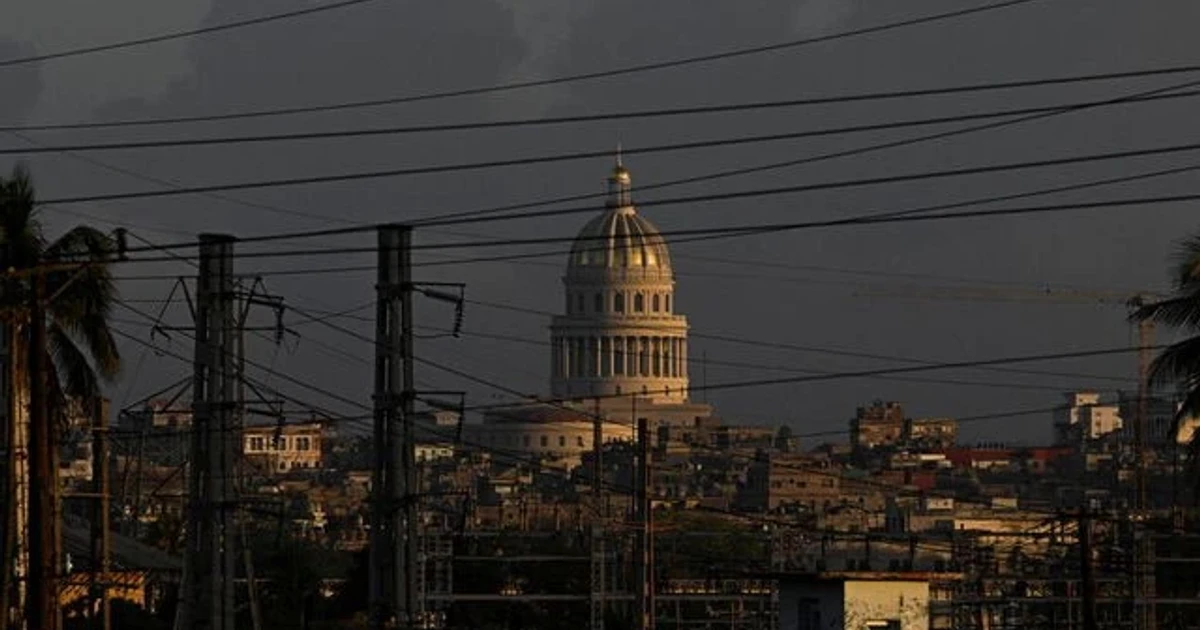
The White House defended its Cuba sanctions on Wednesday as pressure on leaders and entities it says sustain a destabilizing campaign, even as the United Nations warned that the same measures were worsening civilian suffering across the island. The clash now centers on a basic test of policy: whether economic coercion is changing government behavior in Havana, or simply deepening hardship for ordinary Cubans. Volker Turk, the U.N. human rights chief, said expanded U.S. sanctions were causing widespread harm and endangering lives.
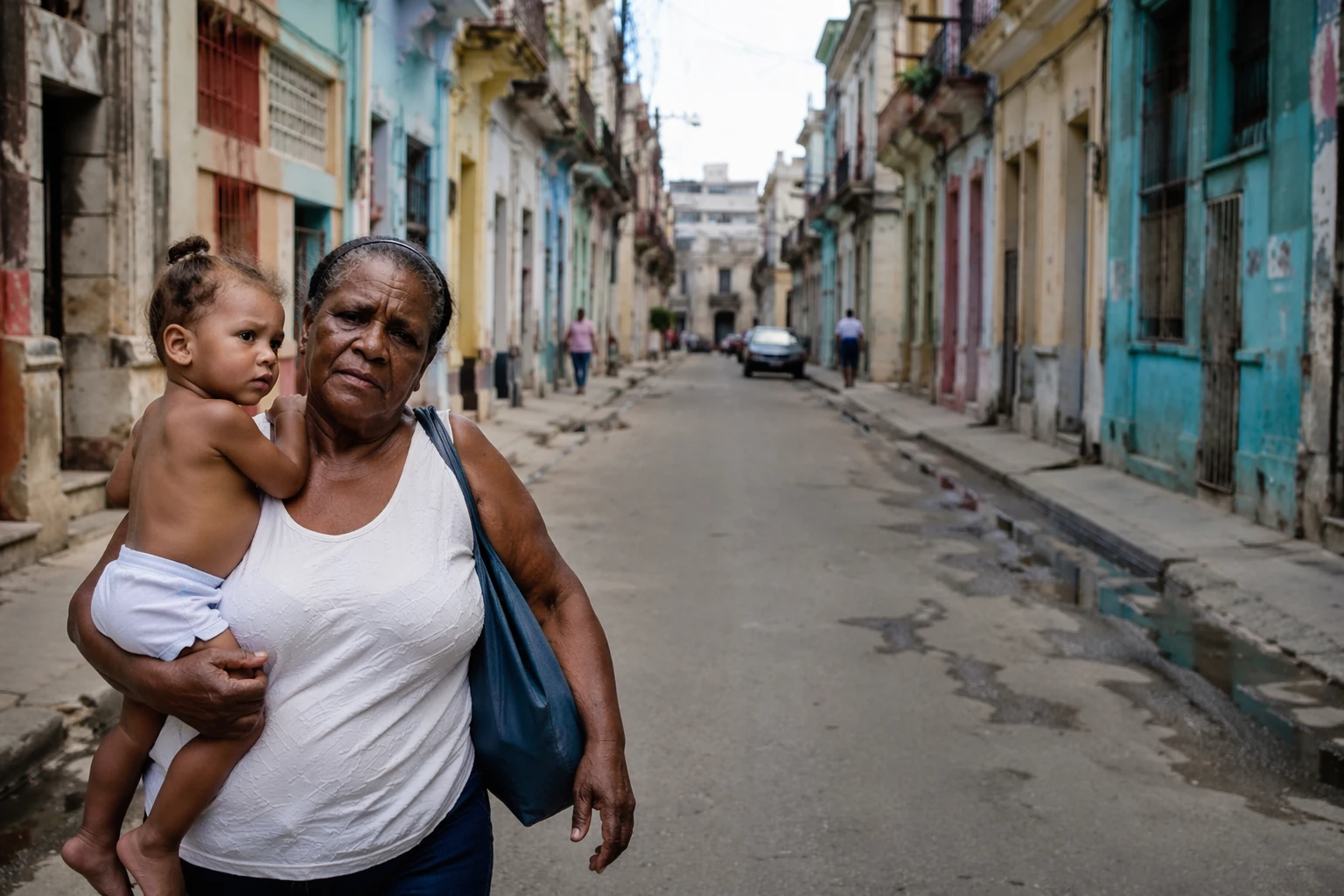
Turk’s warning, issued on June 8, said fuel restrictions imposed since early 2026, along with tightened extraterritorial sanctions, were hurting Cubans, especially the most vulnerable. In a separate U.N. statement, Turk said children were dying because doctors could not access essential medicines. He said the crisis was affecting access to fuel, food, water and medical care, turning a political dispute into a humanitarian emergency with immediate consequences in daily life.
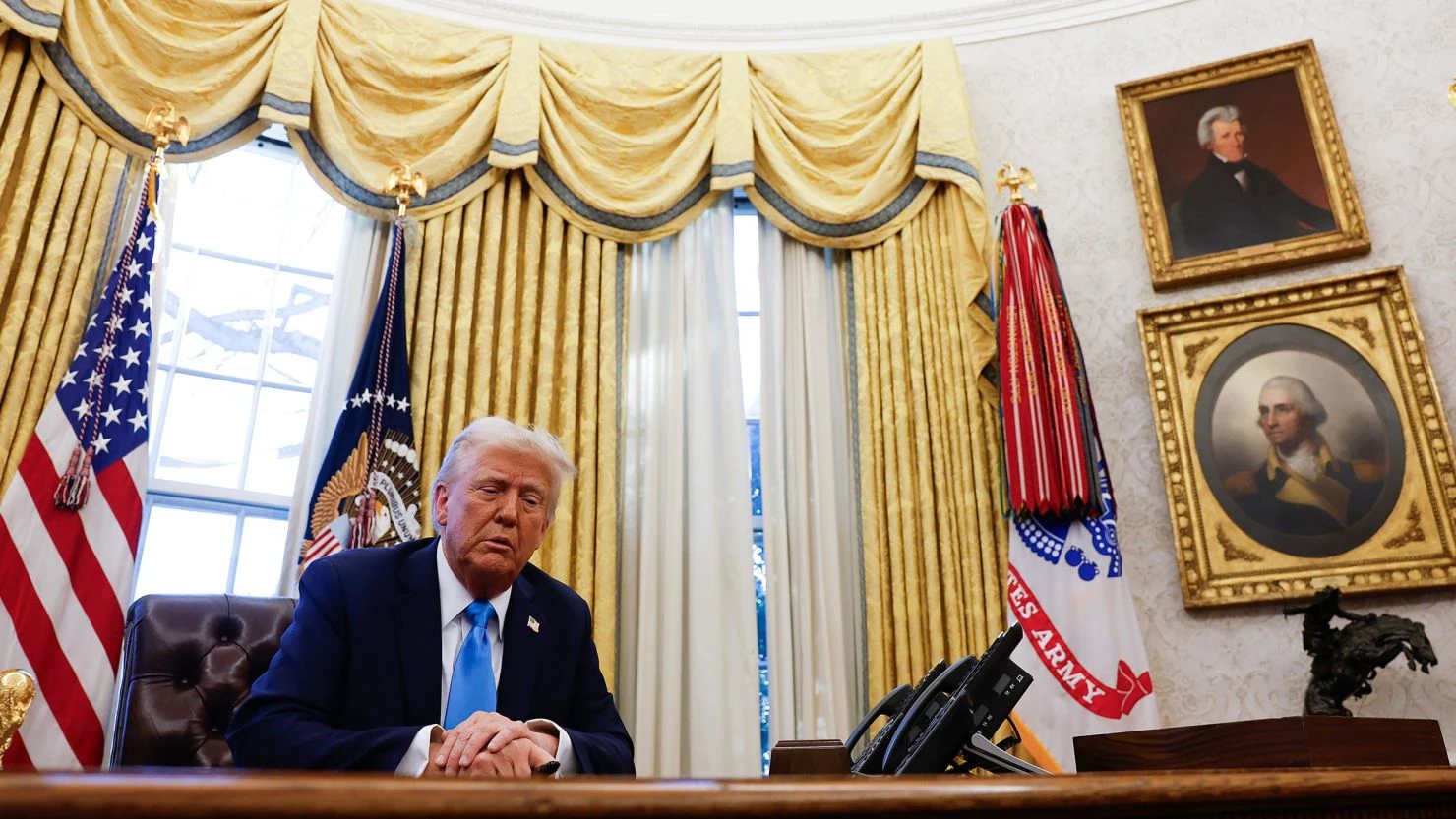
The escalation has followed a clear policy trail. President Donald Trump issued Executive Order 14404 on May 1, imposing sanctions on people responsible for repression in Cuba and for threats to U.S. national security and foreign policy. On June 4, the State Department said it had designated five entities and five individuals under that authority, targeting people and groups tied to the Cuban regime’s security apparatus, corruption or serious human-rights violations. It also said sanctions could extend to financial institutions that conducted or facilitated transactions with sanctioned parties. Washington has also threatened tariffs on countries that supply oil to Cuba, a move that ties financial pressure directly to the island’s frequent electricity outages and broader shortages.
The fallout has already reached commerce. Cuba’s central bank said it would suspend Visa and Mastercard transactions starting June 6 after sanctions prompted foreign businesses to cut ties. In Havana, Foreign Minister Bruno Rodriguez said the U.S. energy blockade had harmed the population and affected the work of international agencies. U.N. experts separately condemned the coercive measures against Cuba in early June. The dispute leaves Washington under pressure to show measurable evidence that sanctions are advancing U.S. goals, not just transferring the costs of policy onto civilians with little control over the state that governs them.
Sources
- [1]usnews.com
- [2]ohchr.org
- [3]news.un.org
- [4]state.gov
- [5]whitehouse.gov
- [6]reuters.com