World
Trump defends Iran deal, threatens renewed bombing over violations
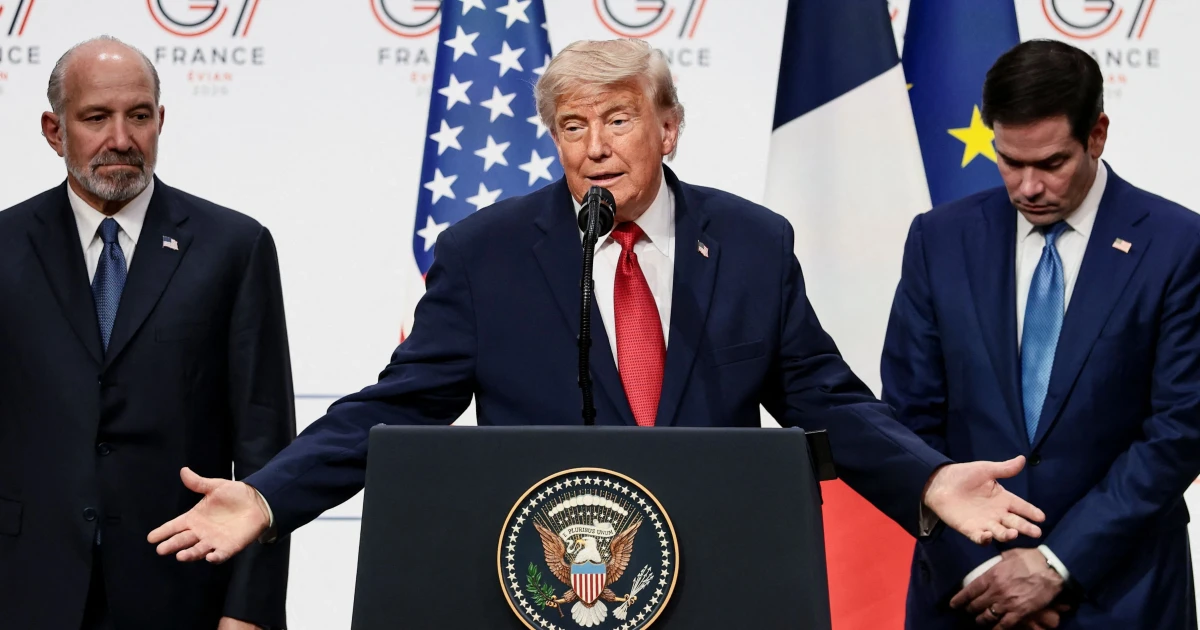
Donald Trump defended the new Iran agreement as a decisive break from the past and warned that he would bomb again if Tehran violated it, underscoring how much of the peace still rests on the threat of force. The framework announced in June 2026 was meant to end more than three months of war, reopen the Strait of Hormuz and halt military operations, but the hardest questions over Iran’s nuclear program were still left for later.
Trump spent much of the week attacking Barack Obama’s 2015 nuclear accord, calling it a giveaway to Tehran and insisting his own deal was superior. At the G7 summit on June 17, he said the United States would not pay Iran $300 billion and revived his claim that Obama had “bribed” Iran with $1.7 billion in cash. The message was meant to sell strength, but it also exposed the fragility of the bargain: the new framework was still only preliminary, with a public signing ceremony expected in Switzerland on June 19.
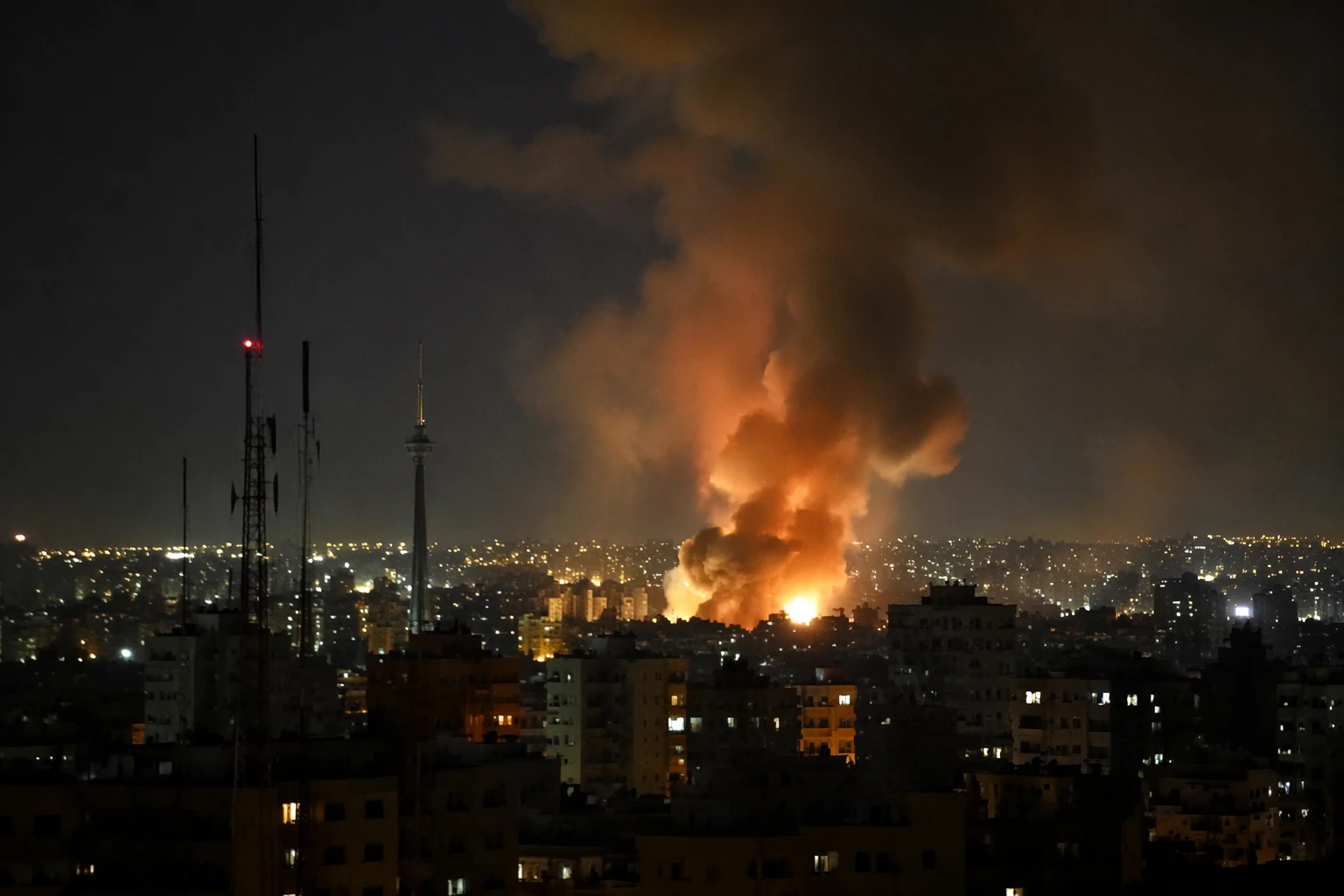
The agreement reportedly opens a 60-day window for further negotiations over uranium enrichment, inspections, sanctions relief and possible economic compensation. Those unresolved issues matter because they determine whether the deal can become a durable diplomatic settlement or remain a pause enforced by fear of renewed airstrikes. Kazem Gharibabadi, Iran’s deputy foreign minister, said a more expansive arrangement would still have to be negotiated during the ceasefire period.
The stakes extend far beyond Washington and Tehran. The war had already destabilized the Middle East and roiled global energy markets, and analysts said it could take time for oil and gas flows through Hormuz to normalize even if the ceasefire holds. World leaders, including several European governments and Japan, welcomed the agreement, while some European officials signaled they could support sanctions relief if Iran takes concrete steps on its nuclear program.
The deal nearly collapsed late in the process as fighting involving Israel and Iran-backed Hezbollah in Lebanon threatened the negotiations. Senior officials from Qatar, the United Arab Emirates and Pakistan reportedly called Trump as he was threatening to strike Iran “very hard tonight,” persuading him to hold off because an agreement appeared close. Pakistan emerged as a key negotiator in the talks, and the episode showed how regional governments helped avert another round of bombing even as the final terms remained unsettled.
Sources
- [1]nytimes.com
- [2]usnews.com
- [3]cnbc.com
- [4]politico.com