Politics
Trump Defends Military Action in Iran Without Congress Approval
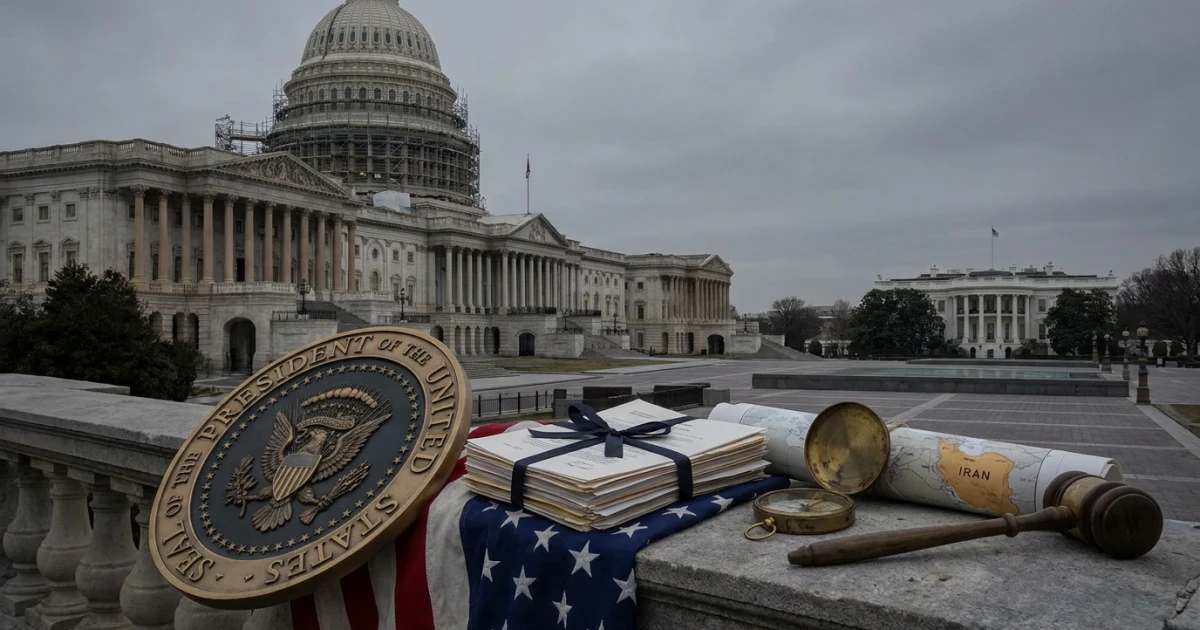
President Donald Trump has formally notified Congress of his administration’s justification for conducting military operations in Iran without explicit Congressional authorization. The move has reignited a longstanding debate over presidential war powers and the constitutional balance between the executive and legislative branches when it comes to the use of military force abroad.
White House Asserts Executive Authority
According to reporting from The New York Times, the Trump administration maintains that the President’s actions fall within his authority as Commander in Chief and are supported by both the U.S. Constitution and the War Powers Resolution of 1973. The administration argues that the use of force was necessary to protect American lives and interests from imminent threats posed by Iranian actors.
This position draws on a tradition of presidents citing the need to act swiftly in the face of national security threats. The White House’s communication to Congress reportedly emphasized that the President is empowered to repel sudden attacks and direct military operations without waiting for legislative approval in certain circumstances.
Congressional Authority Versus Executive Action
The controversy centers around the constitutional allocation of war powers. While Article I of the Constitution grants Congress the power to declare war, Article II vests the President with the role of Commander in Chief. The War Powers Resolution was enacted to clarify this balance by requiring the President to notify Congress within 48 hours of committing armed forces and to withdraw forces after 60 days without Congressional authorization.
Analysts note that administrations of both parties have frequently interpreted these provisions broadly. As outlined in the Congressional Research Service report on war powers, presidents have repeatedly cited executive authority and existing authorizations for the use of military force (AUMFs) to justify military actions in regions ranging from the Middle East to the Balkans and Africa.
Legal Framework and Recent Precedents
- The War Powers Resolution aims to check presidential power by mandating regular reporting to Congress and setting limits on unauthorized deployments.
- Since 1973, presidents have sent more than 100 notifications to Congress regarding the use of U.S. forces, but few have resulted in formal declarations of war or explicit authorizations, according to historical data.
- Trump’s notification to Congress regarding Iran follows the process outlined in the President’s War Powers Report, which details the legal rationale for such actions.
Ongoing Debate and Implications
Legal scholars and lawmakers continue to debate the sufficiency of current checks and balances on presidential war-making authority. Some members of Congress argue that the executive branch has exceeded its constitutional mandate, while others contend that swift action is sometimes necessary to protect national interests.
The courts have occasionally been called to adjudicate disputes over war powers, but many cases remain unresolved due to questions of standing and political doctrine. A database of federal court cases on war powers illustrates the complexity and ongoing evolution of the legal landscape.
Looking Ahead
As the situation with Iran develops, the interplay between the executive and legislative branches will likely remain a focal point of U.S. foreign policy debate. The Trump administration's stance reaffirms the continuing tensions over how, when, and by whom decisions on military engagement are made—an issue that has echoed through multiple administrations and conflicts.