Politics
Trump Defends Sharing Racist Obama Video on Truth Social
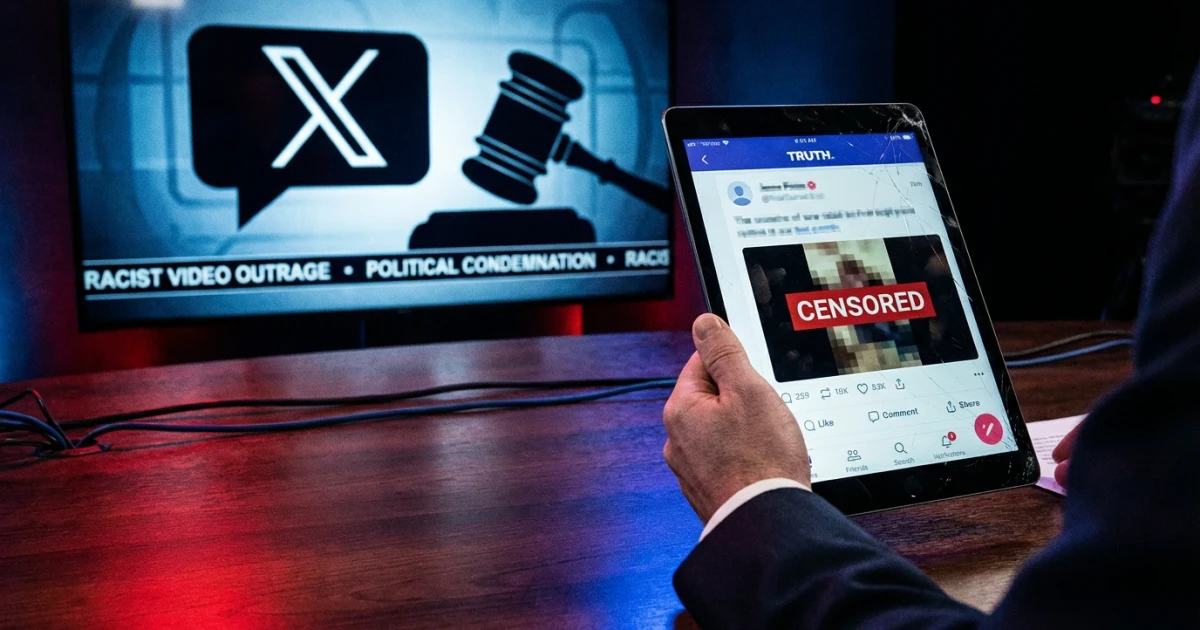
Former President Donald Trump is facing renewed criticism after sharing a racist video on his Truth Social platform that depicted former President Barack Obama and former First Lady Michelle Obama as apes. While the video has since been deleted, Trump has not issued an apology, prompting widespread public outcry and renewed debate over hate speech and accountability on social media.
Incident Sparks Widespread Backlash
The video, which was posted to Trump's Truth Social account before being removed, used racist imagery that has long been condemned as dehumanizing and offensive. The sharing of such content by a prominent political figure has reignited concerns over the spread of racist content on social media platforms, especially when amplified by influential users.
- Trump has not apologized for sharing the post, according to CNN.
- The video was quickly deleted, but not before screenshots and recordings circulated widely online.
- Many advocacy groups and public figures condemned the post as overtly racist and harmful.
Debate Over Accountability and Content Moderation
This incident has reignited discussions about what responsibility public figures and social media platforms have in curbing hate speech. According to Pew Research Center, Americans remain divided on how effectively platforms are addressing misinformation and offensive content, with many believing more needs to be done to protect users from hateful material.
Research from the Anti-Defamation League and Pew Research Center shows that:
- Racist and offensive content continues to proliferate on major social networks.
- Nearly 41% of Americans have personally experienced some form of online harassment, with race-based abuse being among the most common forms.
- High-profile incidents can have a lasting impact, normalizing extreme rhetoric and encouraging copycat behavior.
Historical Context and Ongoing Impact
Depicting Black individuals as apes has a long history as a racist trope in the United States. Civil rights groups and historians have repeatedly denounced such imagery for its role in perpetuating dehumanization and violence.
According to the FBI's hate crime statistics, incidents motivated by race remain the most common form of hate crime in the U.S. The Southern Poverty Law Center's 2023 Hate Map also highlights a rise in hate groups and racist incidents in recent years, underscoring the real-world consequences of online hate.
Truth Social and Platform Response
This is not the first time Truth Social—a platform founded by Trump—has faced scrutiny for its content moderation policies. While the video was deleted after being flagged by users and media outlets, critics argue that proactive measures are needed to prevent the spread of racist content, especially when posted by high-profile accounts.
Looking Ahead
The controversy over the since-deleted video has sparked renewed calls for stronger accountability measures for both public figures and social media platforms. As the 2024 election cycle continues, watchdogs and civil rights groups emphasize the importance of responsible online engagement, noting the tangible harms caused by the normalization of racist imagery and rhetoric.
For readers interested in more data on this ongoing issue, comprehensive statistics on hate crimes can be found at the U.S. Department of Justice and resources for tracking racist content are available through the Anti-Defamation League.
As public scrutiny intensifies, the role of social media in shaping political discourse and the need for robust content moderation will remain central topics of national conversation.