Politics
Trump delays Clayton intelligence nomination amid surveillance fight
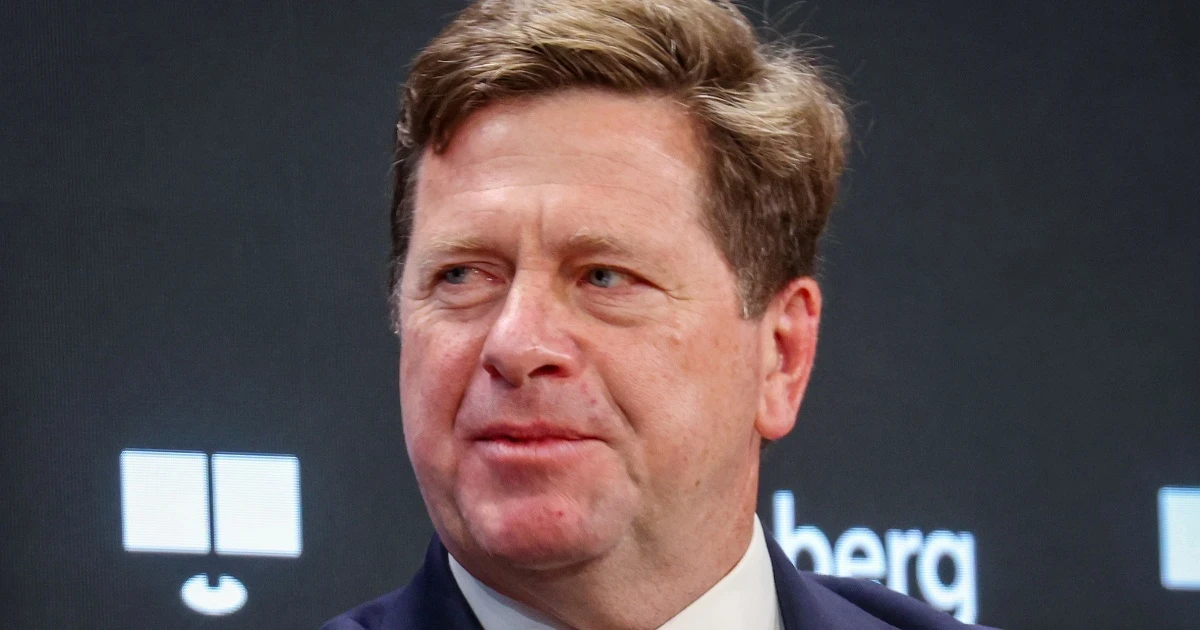
Donald Trump froze Jay Clayton’s path to the nation’s top intelligence post on Wednesday, saying he would delay the nomination while keeping Bill Pulte as acting director of national intelligence. The decision pushed a key national-security job deeper into a fight over Section 702 surveillance powers and Trump’s stalled voter ID push.
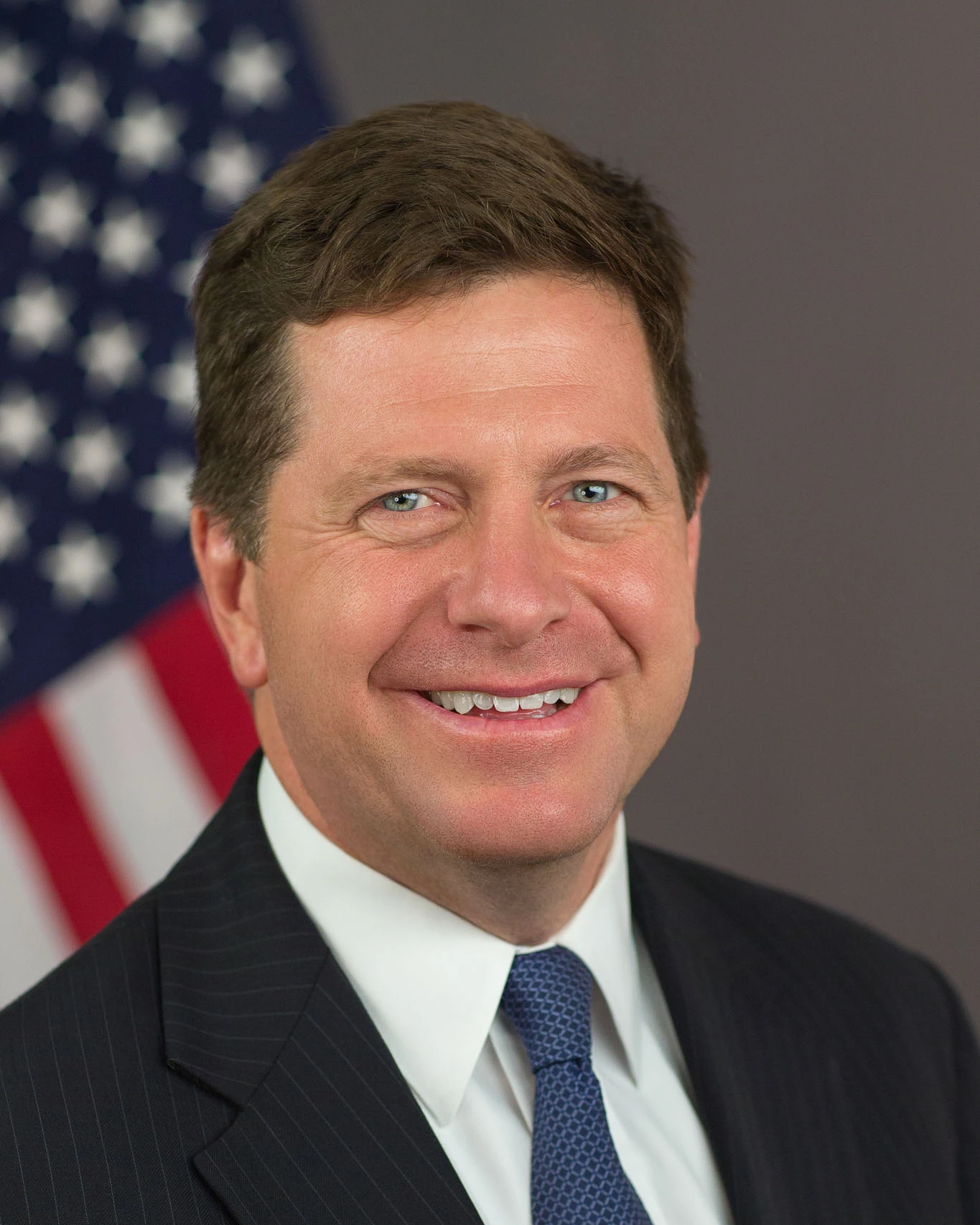
Clayton had been scheduled for an open confirmation hearing at 2:00 p.m. in Dirksen G50 before the Senate Select Committee on Intelligence. The panel had fast-tracked the session because of the Section 702 lapse and the backlash to Pulte’s appointment. Clayton, a former Securities and Exchange Commission chairman and the current U.S. attorney for the Southern District of New York, would have been an unusual pick to lead the intelligence community.
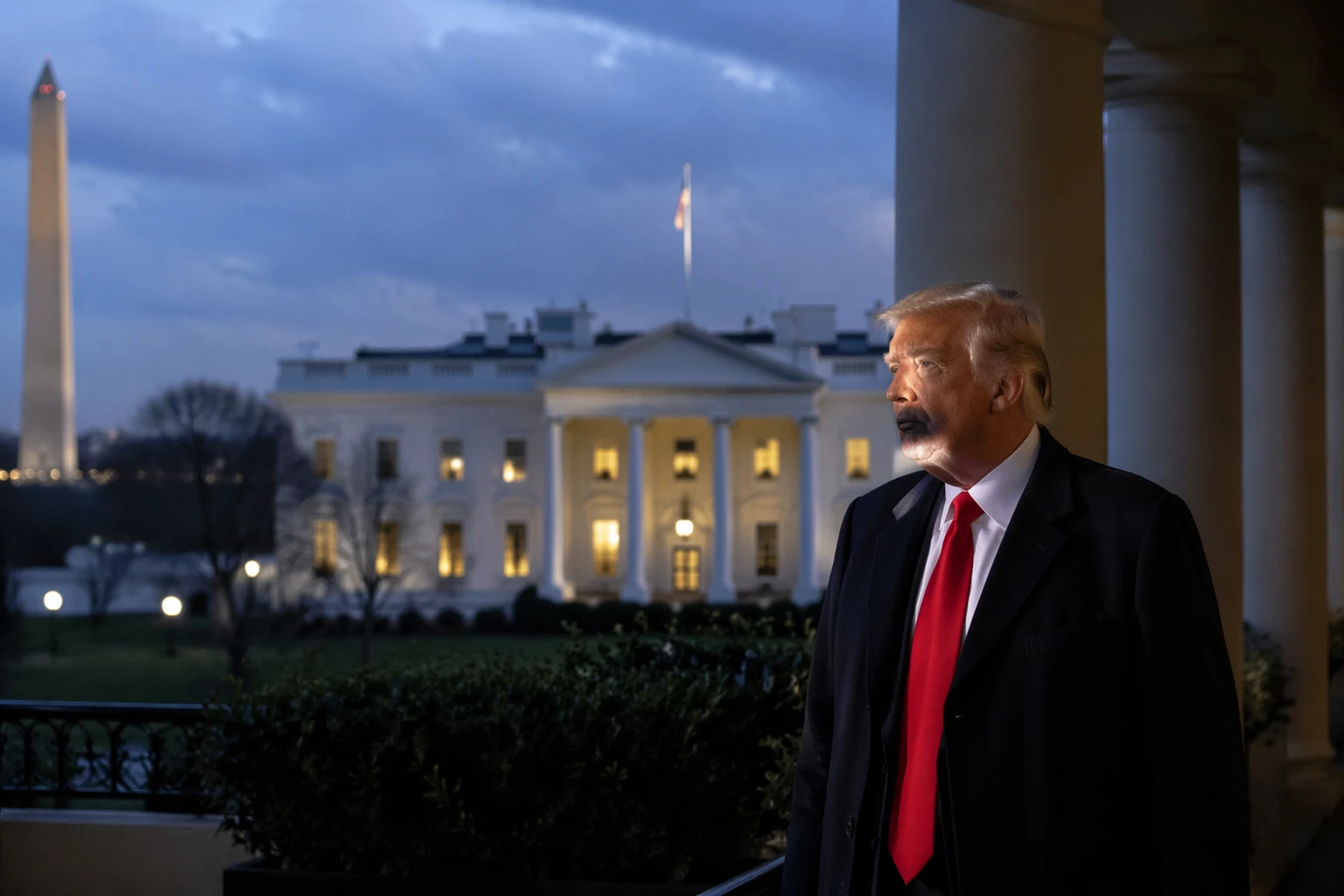
The White House had sent Clayton’s nomination to the Senate as a replacement for Tulsi Gabbard, but lawmakers in both parties objected to Pulte because he lacked intelligence experience. Senate Intelligence Chairman Tom Cotton and Vice Chairman Mark Warner both publicly backed Clayton. Warner said, “I have known and respected Jay Clayton for many years and believe he is a capable public servant.”
Trump said he did not want to pull Clayton out of the U.S. attorney’s office until Jamie McDonald is approved to replace him, and he tied the surveillance fight to passage of his SAVE AMERICA Act, his name for a voter ID bill. Democrats had said they would renew the surveillance authority only until Trump withdrew Pulte’s nomination, but Trump accused them of breaking a deal after he nominated Clayton. Republican leaders have not advanced the voter ID bill because it lacks enough support in either chamber, especially among Democrats.
The practical stakes extend beyond personnel. Section 702, the warrantless foreign-surveillance authority created after the Sept. 11 attacks, was rejected for a short-term extension by the House on June 11 and has now reportedly lapsed for the first time in its history. National-security hawks warn that any gap could disrupt foreign intelligence collection, while the White House’s decision to use a nomination as leverage shows how staffing and surveillance policy have been folded into the same Capitol Hill standoff.
Sources
- [1]nbcnews.com
- [2]intelligence.senate.gov
- [3]whitehouse.gov
- [4]warner.senate.gov
- [5]rollcall.com
- [6]cnbc.com
- [7]politico.com
- [8]defenseone.com
- [9]apnews.com