Politics
Trump delays Clayton nomination to pressure Congress on voting bill
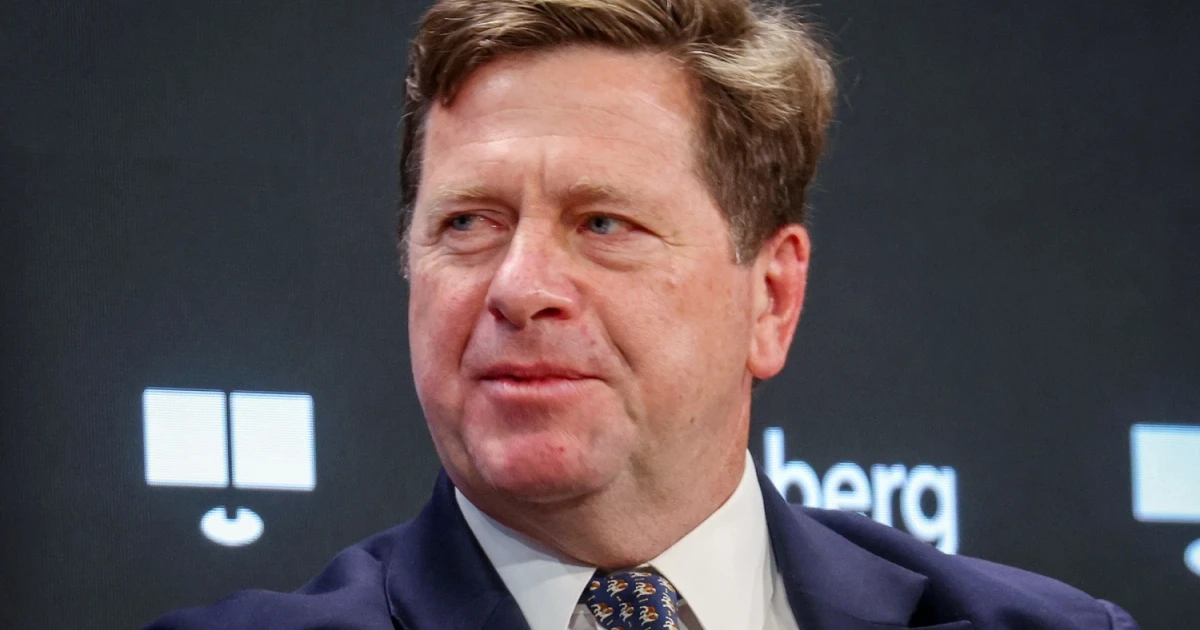
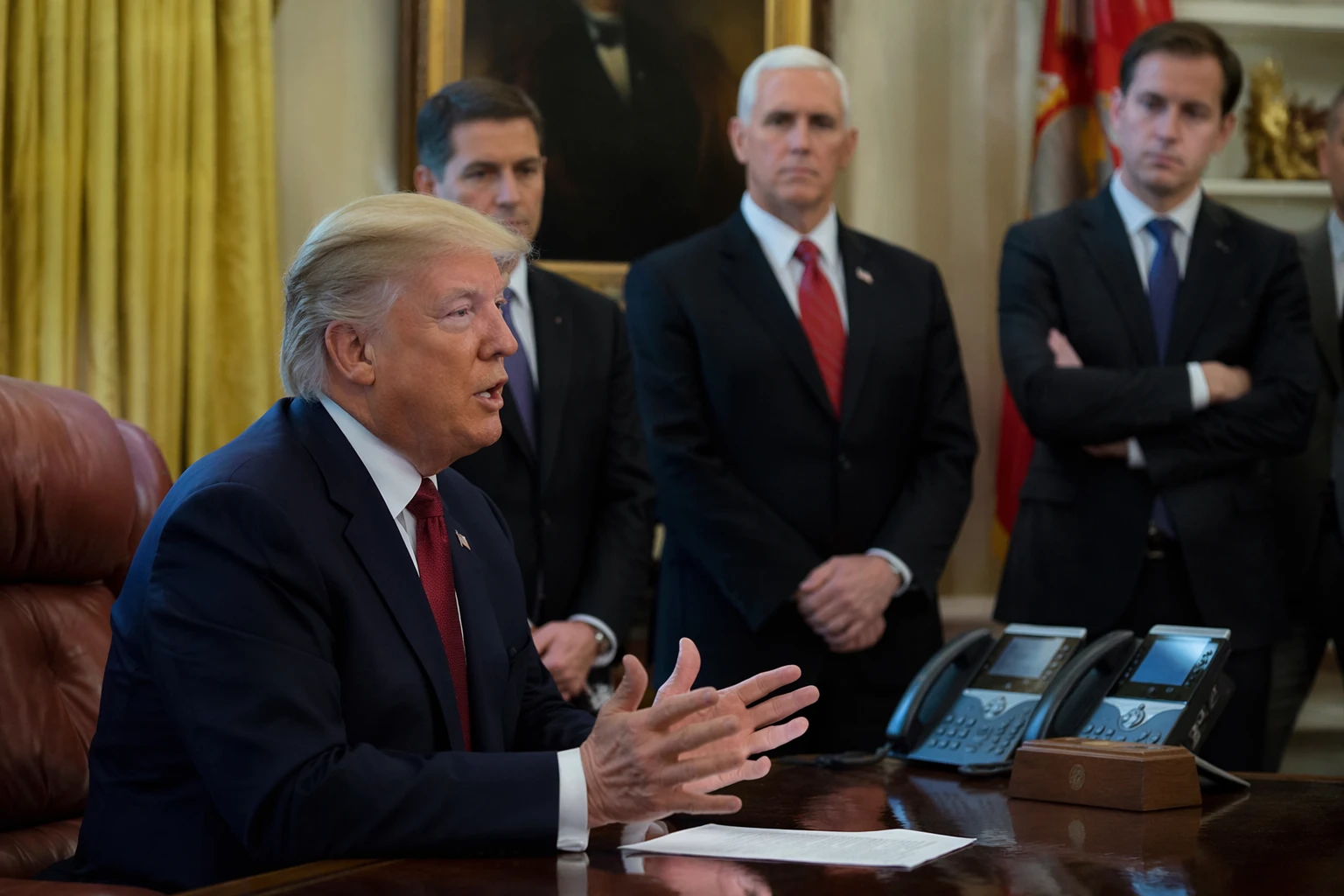
Donald Trump tried to turn a national security nomination into leverage for an election-law fight, saying he would delay Jay Clayton’s Senate confirmation hearing until Congress moved on the SAVE Act. The bill would require documentary proof of U.S. citizenship to register for federal elections, and it still lacked enough support in the Senate.
The move came just hours before Clayton’s scheduled hearing and after Trump had already moved away from Bill Pulte, his short-lived choice for the post. Trump said he would keep Pulte in place as acting director of national intelligence for now, despite bipartisan objections over Pulte’s lack of national security experience.
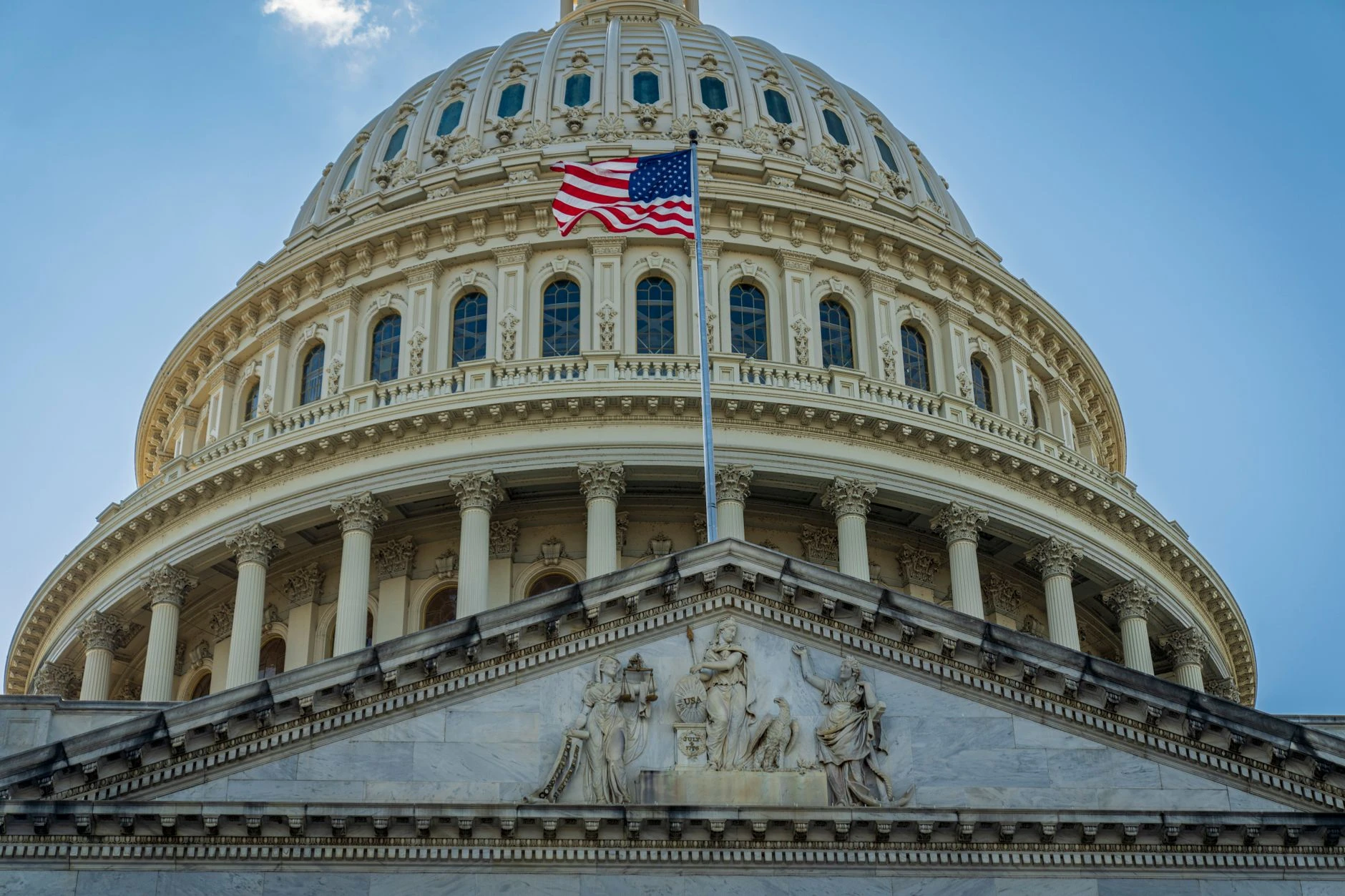
The maneuver sharpened a broader Capitol Hill standoff over how Washington is handling intelligence and voting policy at the same time. FISA Section 702 expired on June 12 after the House rejected a short-term extension, leaving Republicans pressing for quick confirmation of Clayton while Democrats remained hesitant. The result is a rare collision of two high-stakes fights, with surveillance authority and voter-registration rules now entangled in the same political contest.
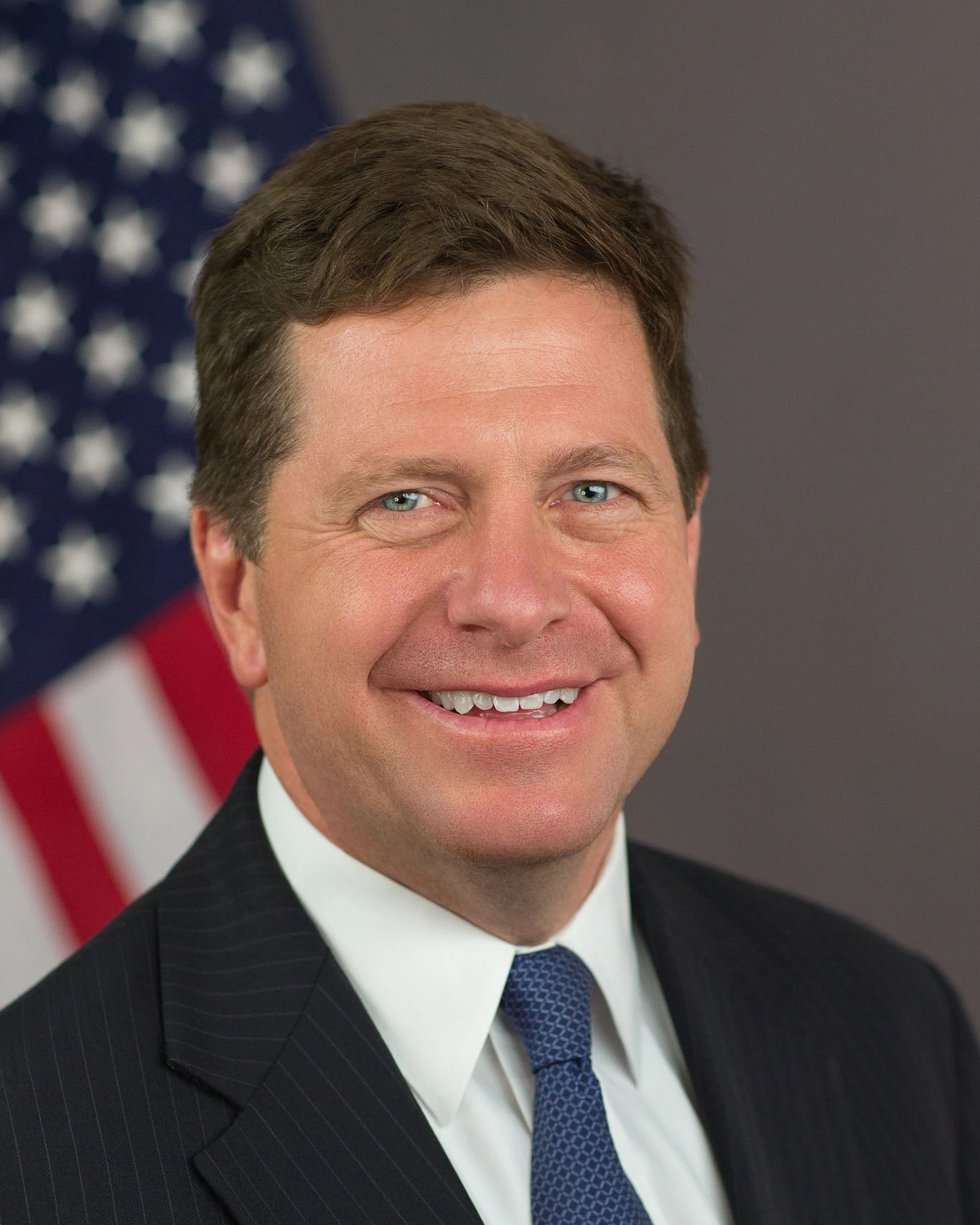
Senate Intelligence Committee chairman Tom Cotton said he would push ahead with Clayton’s hearing anyway, underscoring a split between the White House and Senate Republicans over timing and leverage. Clayton, who was serving as U.S. attorney for the Southern District of New York, was nominated after the backlash to Pulte. He previously chaired the Securities and Exchange Commission, giving him a résumé rooted in law enforcement and markets rather than the intelligence world Trump is asking him to lead.
The episode signals a governing style in which confirmations are no longer treated as separate tests of qualifications and oversight. Instead, Trump is using a nomination for director of national intelligence to pressure lawmakers on a voting bill that has nothing to do with intelligence operations. That tactic raises the stakes for both election policy and institutional norms in Washington, where the willingness to stall one branch’s work to force movement in another can quickly harden into precedent.
Sources
- [1]news.google.com
- [2]apnews.com
- [3]nytimes.com
- [4]congress.gov
- [5]politico.com
- [6]cnbc.com
- [7]reuters.com
- [8]usatoday.com