US News
Trump Delivers Longest State of the Union Address
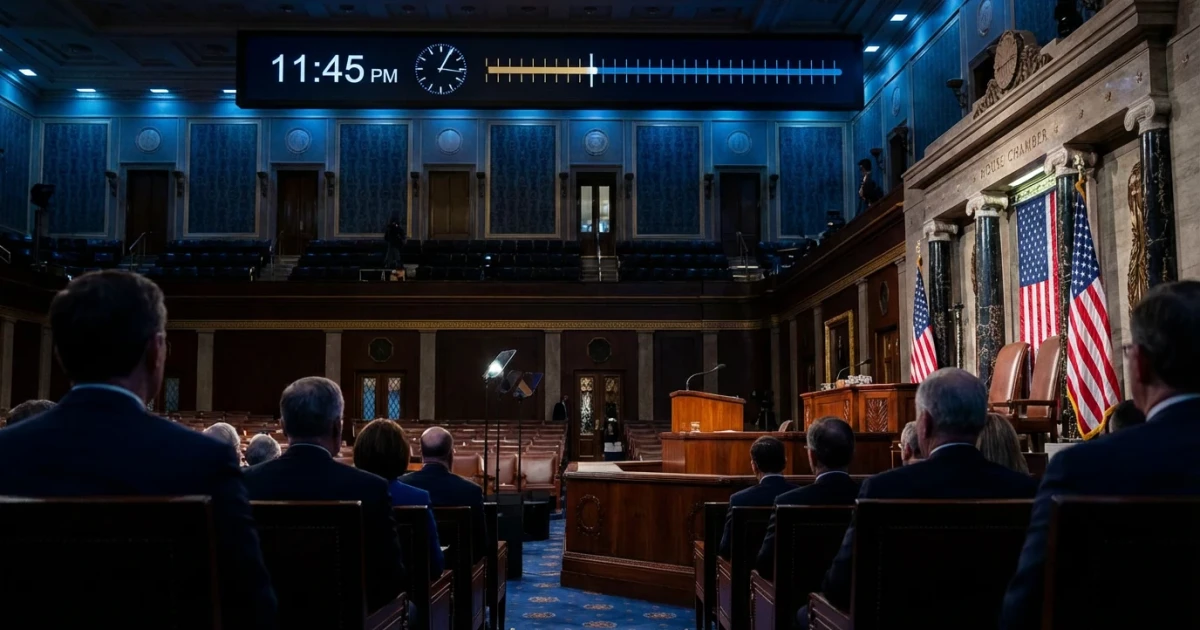
Donald Trump delivered the longest State of the Union address in U.S. history, drawing national attention not only for its duration but also for the content and accuracy of his remarks. As fact-checkers and analysts reviewed the address, key claims about the economy, employment, healthcare, and social issues came under scrutiny.
The Address in Context
Trump’s State of the Union spanned over 80 minutes, surpassing previous records for length. According to official congressional transcripts, the speech contained more than 8,000 words, reflecting the administration’s desire to address a broad range of issues and policy victories.
Economic Claims Under the Microscope
Much of Trump’s address focused on the economy, with the president touting low unemployment and strong job creation. BBC analysis highlighted that Trump cited the lowest unemployment rate in decades, a claim supported by Federal Reserve data showing unemployment hovering near 3.5% at the time of the speech. This aligns with figures from the Bureau of Labor Statistics.
- Unemployment: Trump claimed the rate was at its lowest in 50 years. Data confirms that the 3.5% mark was the lowest since the late 1960s.
- Job Creation: The president cited millions of new jobs. While job growth was robust, the pace had slowed compared to previous years, as reported by BBC and corroborated by labor statistics.
However, independent fact-checkers, including those cited by BBC, noted that while the numbers are impressive, factors such as population growth and labor force participation rates complicate the picture. The Congressional Budget Office projected a modest economic outlook for the coming decade, cautioning against attributing all positive trends solely to White House policies.
Healthcare and Medicare
Trump addressed healthcare reforms, particularly regarding Medicare. He reassured Americans that his administration would protect Medicare benefits. BBC’s fact-check found that Trump’s budget proposals had in fact called for reductions in projected Medicare spending growth, but not outright cuts to current benefits. For context on how Medicare works and what changes have been proposed, readers can refer to the Kaiser Family Foundation’s explainer.
Immigration and Demographics
Immigration was another central theme. Trump referenced rising numbers of border apprehensions and called for stricter controls. BBC’s analysis found that while apprehensions had increased over the past year, the numbers fluctuated seasonally and did not represent an unprecedented surge. The president also spoke about American demographics; for a detailed breakdown and official terminology on race and ethnicity, the U.S. Census Bureau provides in-depth resources.
Fact-Checking the Address
BBC’s coverage, alongside reports from CNN and USA Today, emphasized that the address mixed verifiable achievements with statements lacking full context. For example, Trump stated that wages were rising fastest for low-income workers, which is accurate, but overall wage growth remained moderate.
For a comprehensive review of each major claim, FactCheck.org’s detailed fact-check breaks down the address point by point, clarifying where statements align with official statistics or depart from consensus analysis.
Comparison to Past Addresses
With a runtime surpassing all previous State of the Union speeches, Trump’s address stands out for its length and scope. Historical data compiled by the American Presidency Project shows that modern addresses typically range between 50 and 70 minutes, making this year’s event particularly notable.
Looking Ahead
Trump’s State of the Union set a new benchmark for presidential addresses in both duration and breadth. As fact-checkers continue to analyze the claims and implications, the address underscores the importance of verifying political statements and understanding the data behind them. For Americans seeking clarity, the official congressional records and independent analysis remain key resources for evaluating the president’s message against the broader national context.