Politics
Trump denies retaliation against Anthropic in AI defense dispute
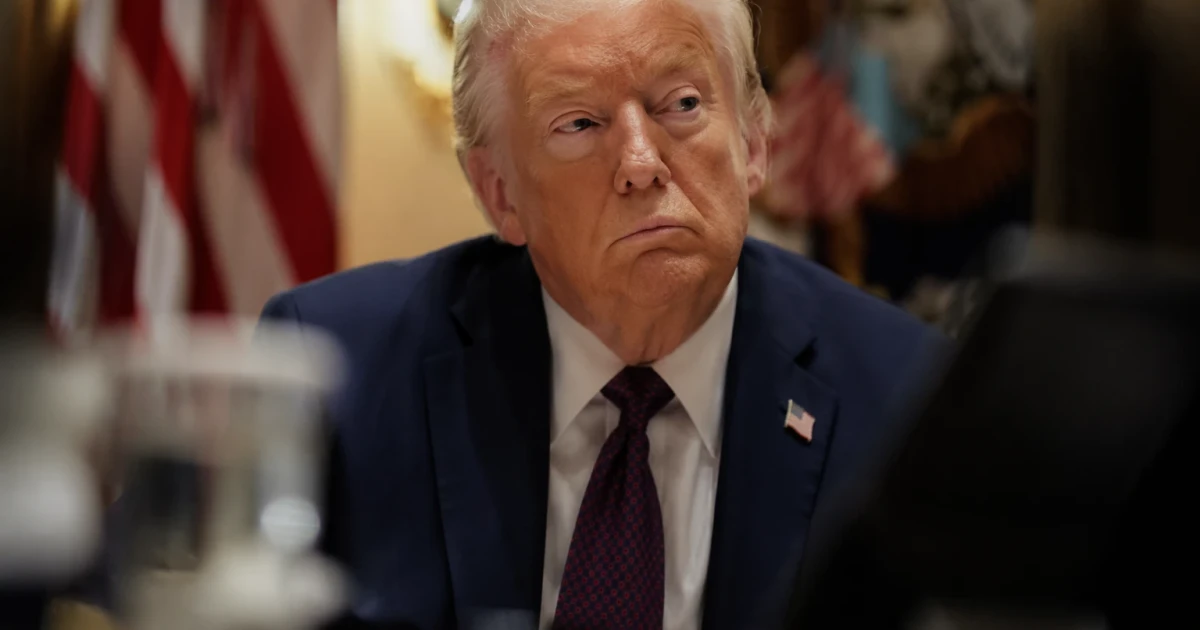
The Trump administration told a federal court that it did not unlawfully retaliate against Anthropic, even as it acknowledged that U.S. agencies moved to cut off the company’s products after Anthropic resisted Pentagon demands over military uses of its Claude chatbot. The filing sharpened a dispute that has become a test of how far Washington can pressure an AI company without issuing a formal blacklist.
The government’s main argument was procedural: Anthropic’s lawsuit, it said, should be dismissed because it does not challenge a final agency action that a court can review. That distinction matters because a ruling for the government could give federal agencies wide room to label suppliers security risks and restrict their access to federal work without immediately facing a full merits challenge.
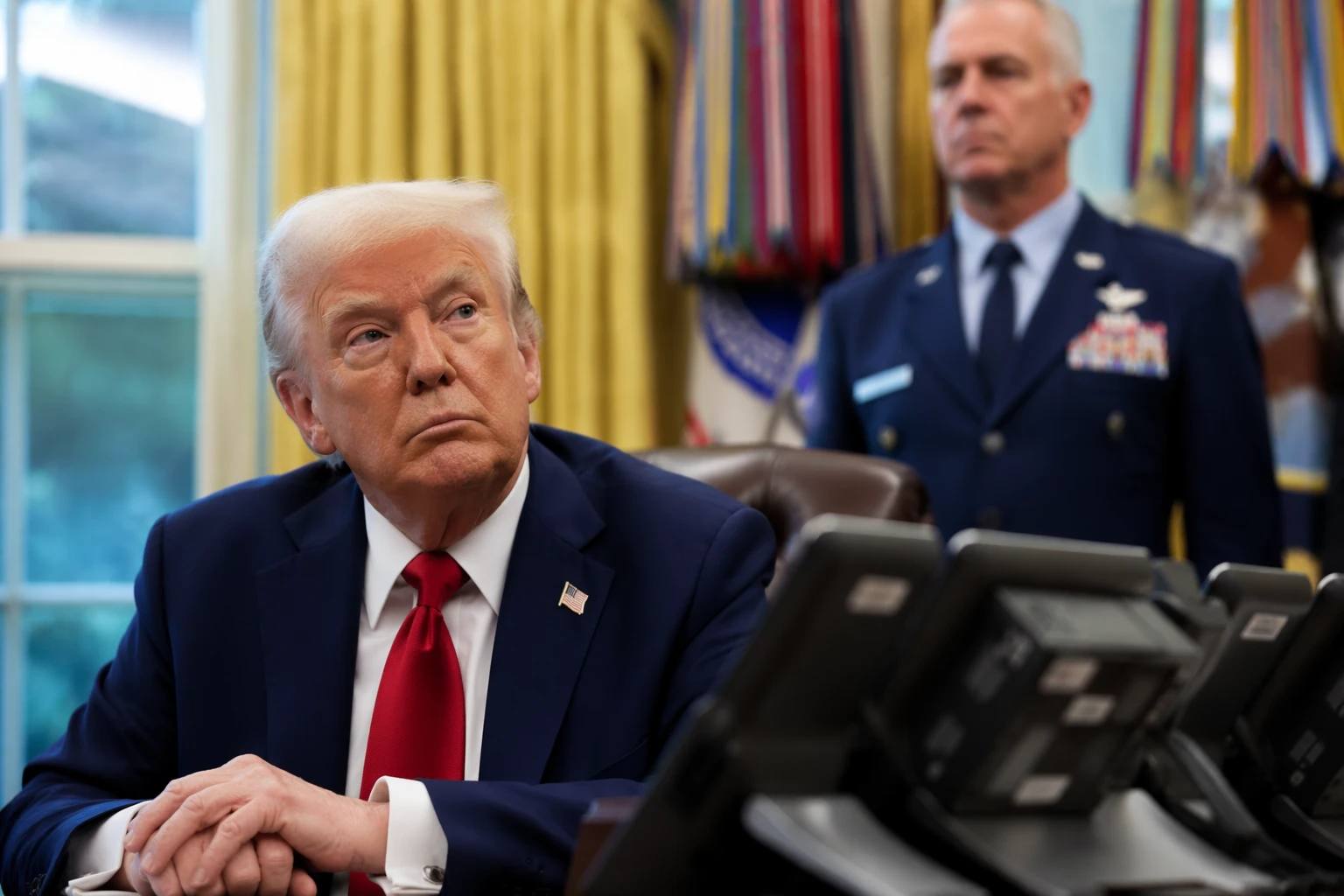
The fight began in March, when Anthropic challenged the Pentagon’s supply-chain-risk designation and said the government was punishing it for refusing to allow its technology to be used for fully autonomous lethal weapons or mass surveillance. Anthropic has said it objected to only two uses of Claude, while the Pentagon wanted the system available for “all lawful uses.” In the U.S. District Court for the Northern District of California, Judge Rita Lin blocked enforcement of the designation and Trump’s order that federal agencies “IMMEDIATELY CEASE” use of Anthropic’s technology. Lin called the measures “Orwellian” and said they could “cripple” the company, while also describing the punitive steps as “classic illegal First Amendment retaliation.”
The legal picture remained split as the case moved forward. On April 8, the U.S. Court of Appeals for the D.C. Circuit denied Anthropic’s request for a stay, leaving the designation in place during appeals. Then, on June 3, Defense Secretary Pete Hegseth denied Anthropic’s request for reconsideration, saying the “pre-deployment risks,” loss of trust and other factors were enough to sustain the designation.
Anthropic has said Claude was the Defense Department’s most widely deployed frontier AI model and the only frontier model on classified systems. That comes after the Pentagon awarded Anthropic, Google, OpenAI and xAI contracts worth up to $200 million each in July 2025 to accelerate adoption of advanced AI. Anthropic has warned that the designation could cost it hundreds of millions of dollars in revenue, and the company says the case will determine whether the government can use procurement power, reputational labeling and access restrictions to steer AI companies toward military ends. The designation has been described as the first of its kind ever applied to an American company, and the outcome could shape how future AI firms handle conflict with the administration.
Sources
- [1]usnews.com
- [2]cbsnews.com
- [3]cnbc.com
- [4]politico.com
- [5]congress.gov
- [6]techpolicy.press