Politics
Trump Directs TSA Pay Amid Congressional Stalemate
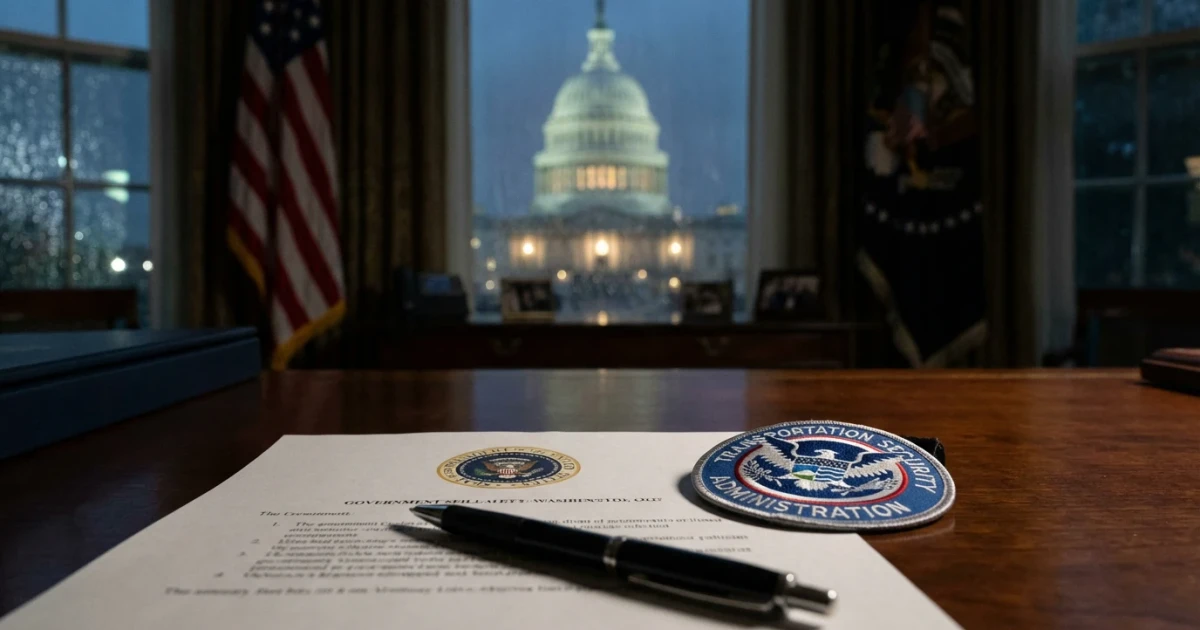
President Donald Trump has directed that TSA officers continue to receive their pay, despite an ongoing stalemate in Congress that has blocked normal funding for federal employees. The move comes amid heightened concerns over the impact of government shutdowns on essential security operations and worker morale.
Background: Congressional Deadlock Impacts Federal Employees
As Congress remains at an impasse over government funding, thousands of federal workers—including Transportation Security Administration (TSA) officers—have faced the prospect of missed paychecks. According to the TSA Fiscal Year 2024 Budget Justification, the agency employs more than 50,000 security officers, whose work is critical to maintaining safe and efficient air travel throughout the United States.
During previous government shutdowns, TSA officers were required to work without pay, leading to increased absenteeism, low morale, and widespread concerns about airport security. The current funding impasse in Congress has once again placed TSA compensation in the spotlight, with lawmakers unable to agree on a long-term solution.
Trump's Directive and Its Immediate Impact
With Congressional negotiations stalled, President Trump issued an order ensuring that TSA officers will be paid, at least temporarily. The Washington Post reports that the directive aims to prevent disruptions to critical airport screening functions and to support the officers who keep air travel safe.
- There are more than 2 million passengers screened daily by TSA officers at airports nationwide.
- Previous shutdowns have led to increased security lines and delays due to staffing shortages.
- TSA officers are typically paid under the federal General Schedule pay system, though their rights and pay structures have differed from other federal workers in the past.
By ordering continued pay for TSA officers, the administration seeks to mitigate the most immediate operational and personal hardships, even as the broader funding crisis remains unresolved. The move also highlights ongoing debates about TSA workforce rights and parity with other federal law enforcement agencies.
Broader Implications for the Federal Workforce
The situation has renewed calls for reform to how essential federal employees are treated during government shutdowns. According to a recent GAO report, repeated funding disruptions have a negative effect on recruitment, retention, and overall performance in agencies like the TSA.
Supporters of pay parity argue that TSA officers deserve the same protections and compensation guarantees as other federal employees, particularly given their frontline role in national security. Efforts to address these concerns have included proposed legislation and regulatory changes, such as the TSA Pay Reform and Pay Band Structure, which aims to modernize compensation and improve career progression for TSA personnel.
What Comes Next?
While Trump's directive provides short-term relief for TSA officers, the underlying issues of Congressional gridlock and federal workforce stability remain. As negotiations continue in Washington, TSA and other federal agencies must balance operational needs with the well-being of their employees.
Observers note that without a permanent solution from Congress, temporary measures like the President's order can only go so far in ensuring effective government operations and worker security. The spotlight on TSA pay serves as a reminder of the crucial role these officers play—and of the policy challenges facing the federal workforce at large.