Politics
Trump Directs TSA Worker Pay Amid Funding Uncertainty
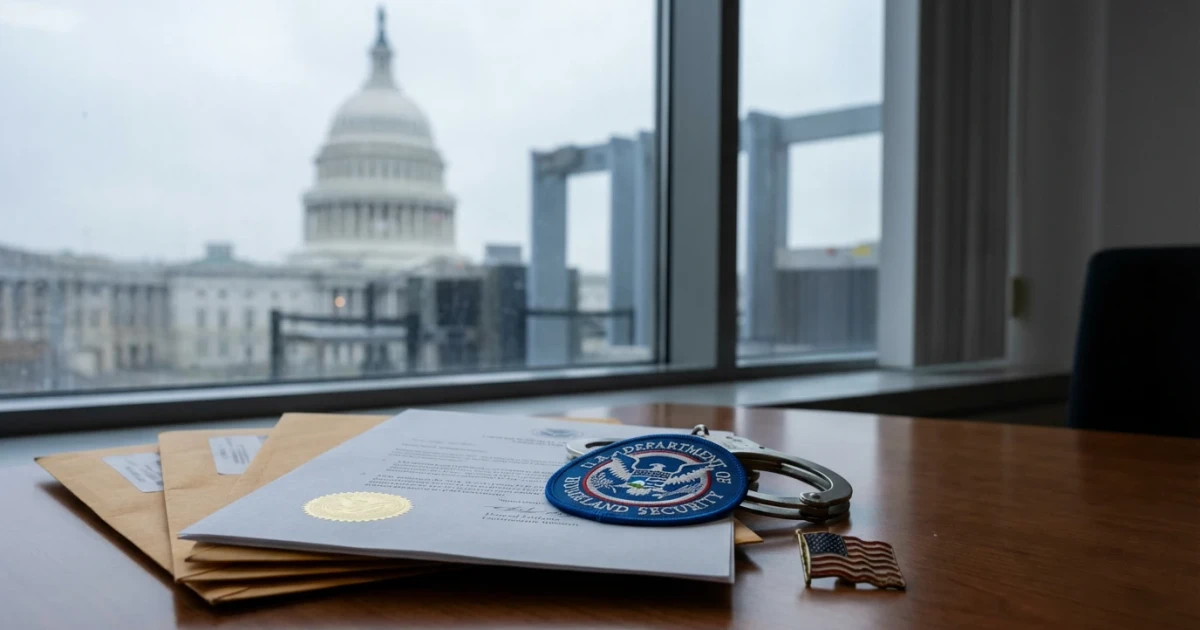
President Donald Trump has directed that Transportation Security Administration (TSA) employees continue to receive their paychecks even if Congress does not authorize new funding, according to a report from CNN. The move injects new uncertainty into the ongoing debate over federal worker pay during government shutdowns and could have significant implications for the TSA workforce and agency operations.
Background: Government Shutdowns and Federal Pay
Typically, when Congress fails to pass appropriations bills, federal agencies like the TSA face funding lapses that prompt shutdowns. During these periods, many federal employees are furloughed, while those deemed essential—such as TSA officers—must continue working without pay until funding is restored. According to official guidance from the Office of Personnel Management (OPM), back pay is usually authorized only after a funding bill is enacted, leaving workers in financial limbo during shutdowns.
The Government Accountability Office (GAO) has analyzed the impact of shutdowns on federal workers, noting that delayed pay can contribute to financial hardship, reduced morale, and operational disruptions. The Congressional Budget Office (CBO) has likewise reported that the uncertainty surrounding pay during shutdowns undermines workforce stability and can create long-term challenges for agencies like the TSA.
Trump’s Directive: Ensuring TSA Worker Pay
CNN reported that President Trump’s new order would ensure TSA officers are paid on time, regardless of whether Congress passes a new appropriations bill. Details on the mechanism for these payments have not yet been released, and it remains unclear how the administration plans to authorize payments without explicit congressional approval. The decision could set a precedent for how essential federal workers are compensated during future funding lapses.
- TSA employs over 60,000 workers nationwide, including officers, inspectors, and administrative staff.
- During past shutdowns, TSA officers have been categorized as essential employees and required to work without pay.
- Federal law, as outlined in the Consolidated Appropriations Act, generally requires congressional approval for expenditures from the U.S. Treasury.
Operational and Legal Questions
The Trump administration’s directive raises questions about legal authority and fiscal responsibility. According to the TSA’s annual fact sheets, the agency’s payroll is funded through both appropriated dollars and aviation security fees. However, using these funds without congressional approval could trigger legal challenges or require executive action not typically invoked in appropriations matters.
While the immediate effect would be to protect TSA workers from financial hardship during a shutdown, experts note that bypassing Congress on federal pay could invite scrutiny from lawmakers and oversight bodies. The GAO has recommended that agencies and Congress work together to clarify procedures and funding mechanisms to reduce uncertainty for federal workers.
Potential Impact on TSA Workforce
The TSA workforce has faced considerable strain during previous shutdowns, with reports of increased absenteeism and morale issues due to unpaid work. Guaranteeing pay during a potential shutdown could offer short-term relief and stability for TSA’s 60,000+ employees, ensuring continued operations at airports nationwide.
However, the long-term implications for federal pay policy remain uncertain. As the situation develops, observers will be watching for further details on the administration’s plans and any congressional response to the president’s directive.
Looking Ahead
President Trump’s order to pay TSA workers regardless of congressional action marks a significant departure from past shutdown practices. As legal and operational questions persist, the outcome could shape future debates over federal worker compensation during lapses in government funding. Stakeholders across the federal workforce will be monitoring developments for clarity on pay, agency authority, and the broader impact on government operations.