World
Trump drops Strait of Hormuz toll plan after backlash
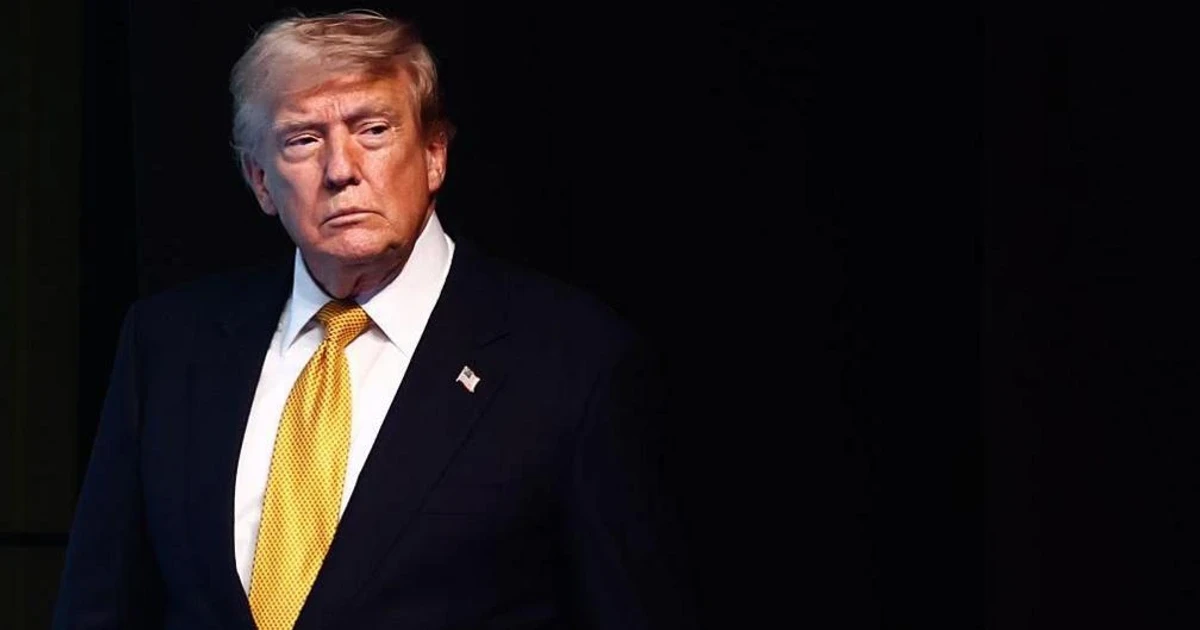
Donald Trump backed away from a 20% transit fee on ships crossing the Strait of Hormuz after less than a day. The president had framed Washington as the strait’s “guardian” before retreating under pressure.
Trump announced on July 13 that the United States would reinstate a naval blockade on Iranian shipping and charge the fee on cargo moving through the waterway. By July 14, he had shelved the toll and said it would be replaced by Gulf-state investment deals, along with a narrower blockade aimed only at ships traveling to or from Iranian ports or carrying Iranian cargo.
The United States military kept striking Iran, with a third and then a fourth consecutive night of attacks. The ceasefire and negotiations around the conflict remained unsettled, keeping the Strait of Hormuz at the center of a war that has now dragged on for more than four months.
The Strait of Hormuz is one of the world’s most important oil shipping routes, and even a short-lived toll threat was enough to raise concerns about oil prices, shipping insurance costs and the risk of a broader confrontation. A U.S. fee on ships in the strait would be unprecedented and likely difficult to enforce. It would run against long-standing international practice favoring free passage in international waters.
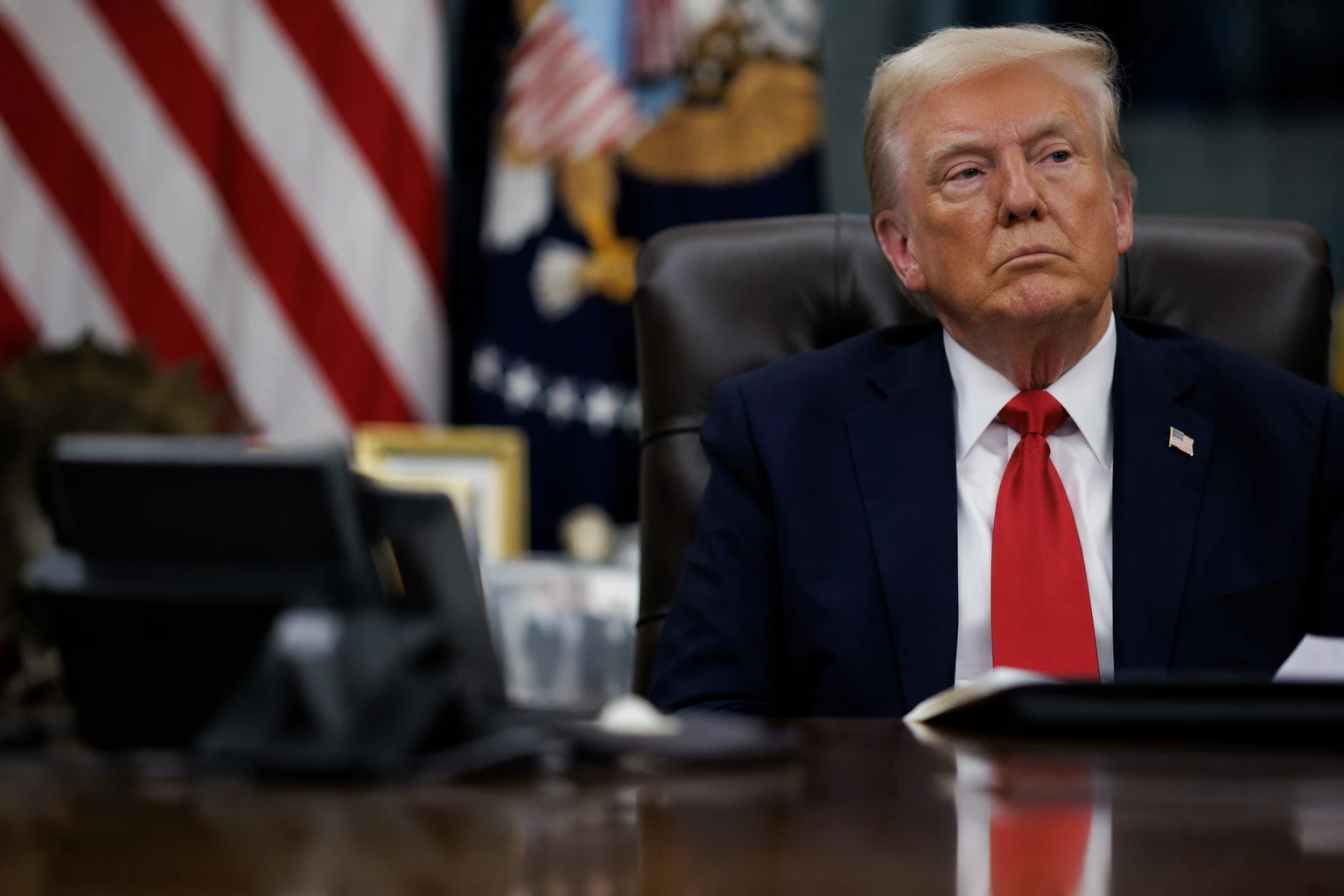
Trump had previously described the waterway as one that should remain toll-free, even as he moved to turn it into leverage over Iran. The Gulf-state investment plan offered a softer alternative, but it also underscored how quickly the original strategy ran into legal and operational limits.
Iran has not taken the pressure quietly. Tehran may still impose its own tolls or restrictions on shipping through the strait, a move that would keep the waterway central to the conflict and deepen the risks for global energy markets.
Sources
- [1]bbc.co.uk
- [2]aljazeera.com
- [3]cbsnews.com
- [4]stripes.com
- [5]politifact.com
- [6]cfr.org