Technology
Trump eases export controls on UAE for AI chips and satellites

The Commerce Department loosened U.S. export controls on the United Arab Emirates on July 10, moving the country into a more favorable category that clears the way for license-free exports of some military items, commercial satellites, spacecraft and advanced computing gear. The Bureau of Industry and Security said the upgrade reflected the UAE’s status as a U.S. Major Defense Partner and its support for U.S. national security interests, including Operation Epic Fury.
The practical effect is to make it easier for companies in the UAE to buy cutting-edge chips from Nvidia, Advanced Micro Devices and Cerebras Systems, a step that extends beyond trade and into the core of Washington’s technology competition strategy. BIS said the UAE is being removed from Country Groups D:3 and D:4 and moved into Country Group A:5 under the Export Administration Regulations, a change that affects licensing treatment for controlled exports and approved commercial entities.
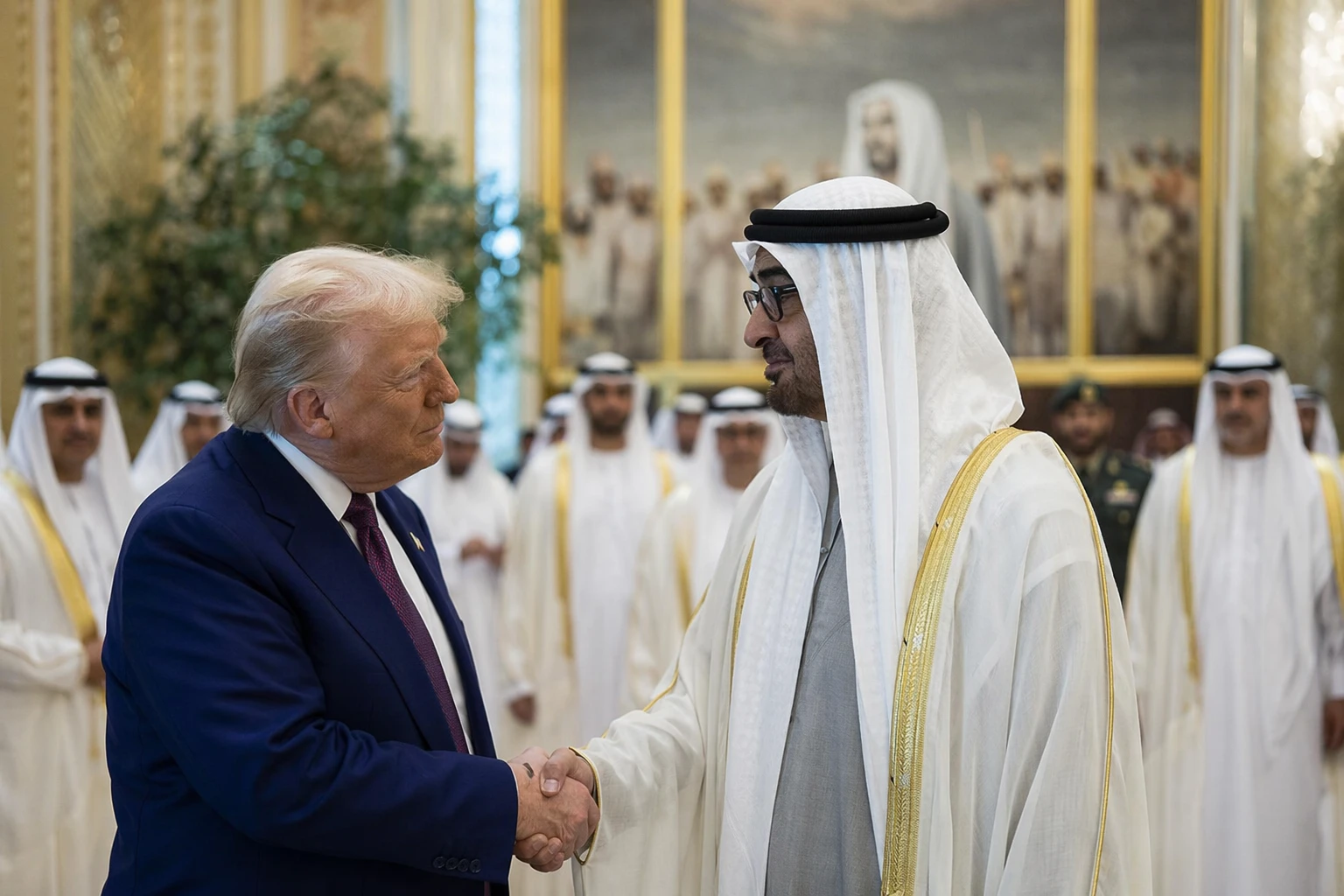
That shift lands after a year of U.S. concern over Gulf AI access. In July 2024, Republican lawmakers asked for an intelligence assessment of Microsoft’s $1.5 billion investment in UAE-based G42, warning about sensitive technology transfers and G42’s historical ties to China. By November 2025, however, the United States had authorized advanced AI chip exports to G42 and Saudi Arabia’s HUMAIN, signaling that Washington was prepared to open a controlled channel for Gulf compute buildouts while trying to keep guardrails in place.
The UAE has spent heavily to turn that access into infrastructure. On May 22, 2025, G42, OpenAI, Oracle, Nvidia, Cisco and SoftBank Group announced Stargate UAE, a 1-gigawatt compute cluster inside a newly established 5-gigawatt UAE-U.S. AI campus in Abu Dhabi. CNBC said the campus is planned to span 10 square miles, underscoring the scale of the country’s push to become a regional AI hub.
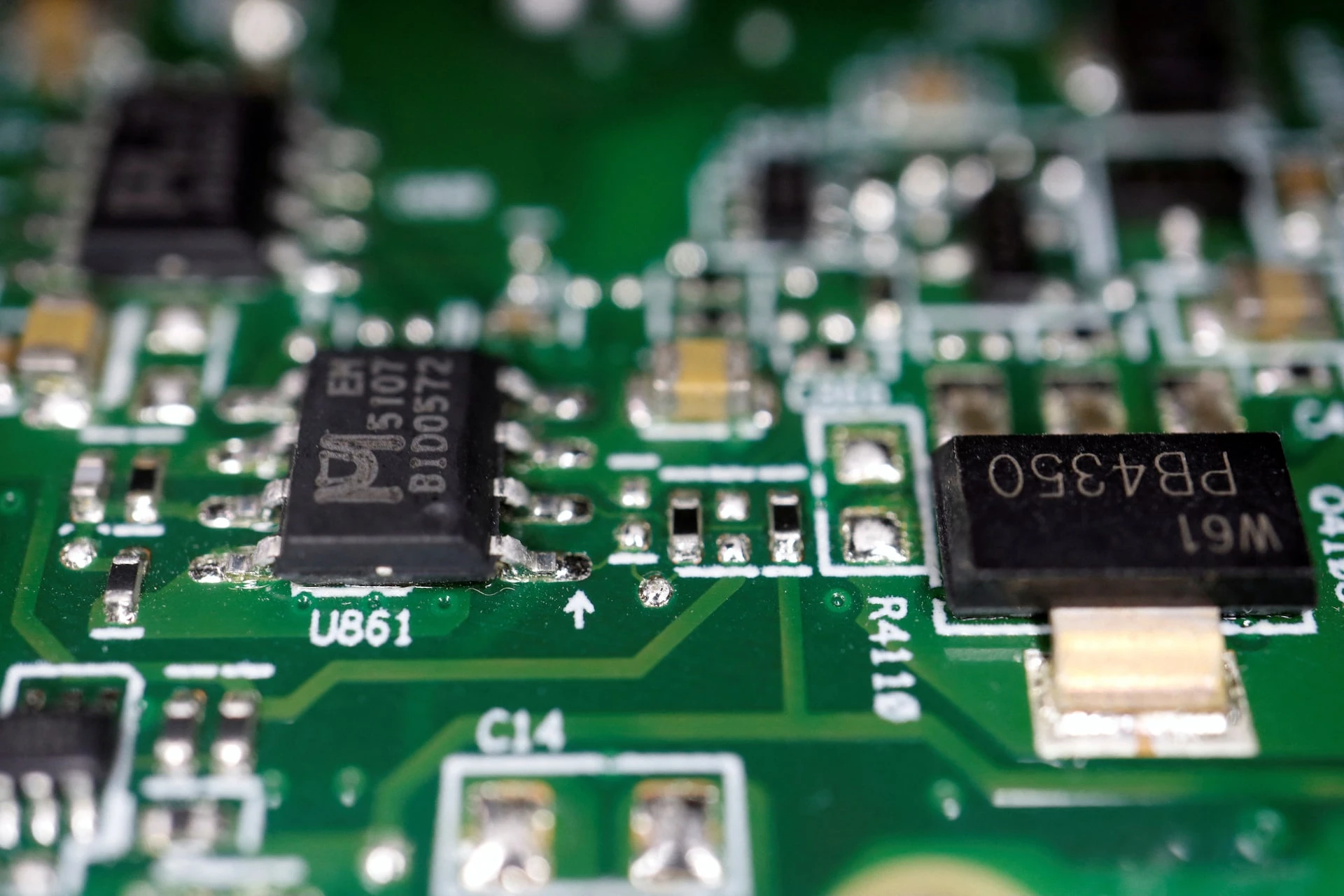
The diplomatic overlay is just as important. On January 15, 2026, the United States and the UAE held their eleventh Economic Policy Dialogue in Abu Dhabi, where officials reiterated the UAE’s $1.4 trillion investment commitment to the United States over the next decade. In June, Secretary of State Marco Rubio met Sheikh Mohamed bin Zayed Al Nahyan in Abu Dhabi to discuss Iran, the Strait of Hormuz, and defense and commerce ties, while the State Department described the UAE as a vital U.S. partner that has fought alongside American forces in Afghanistan and Iraq.
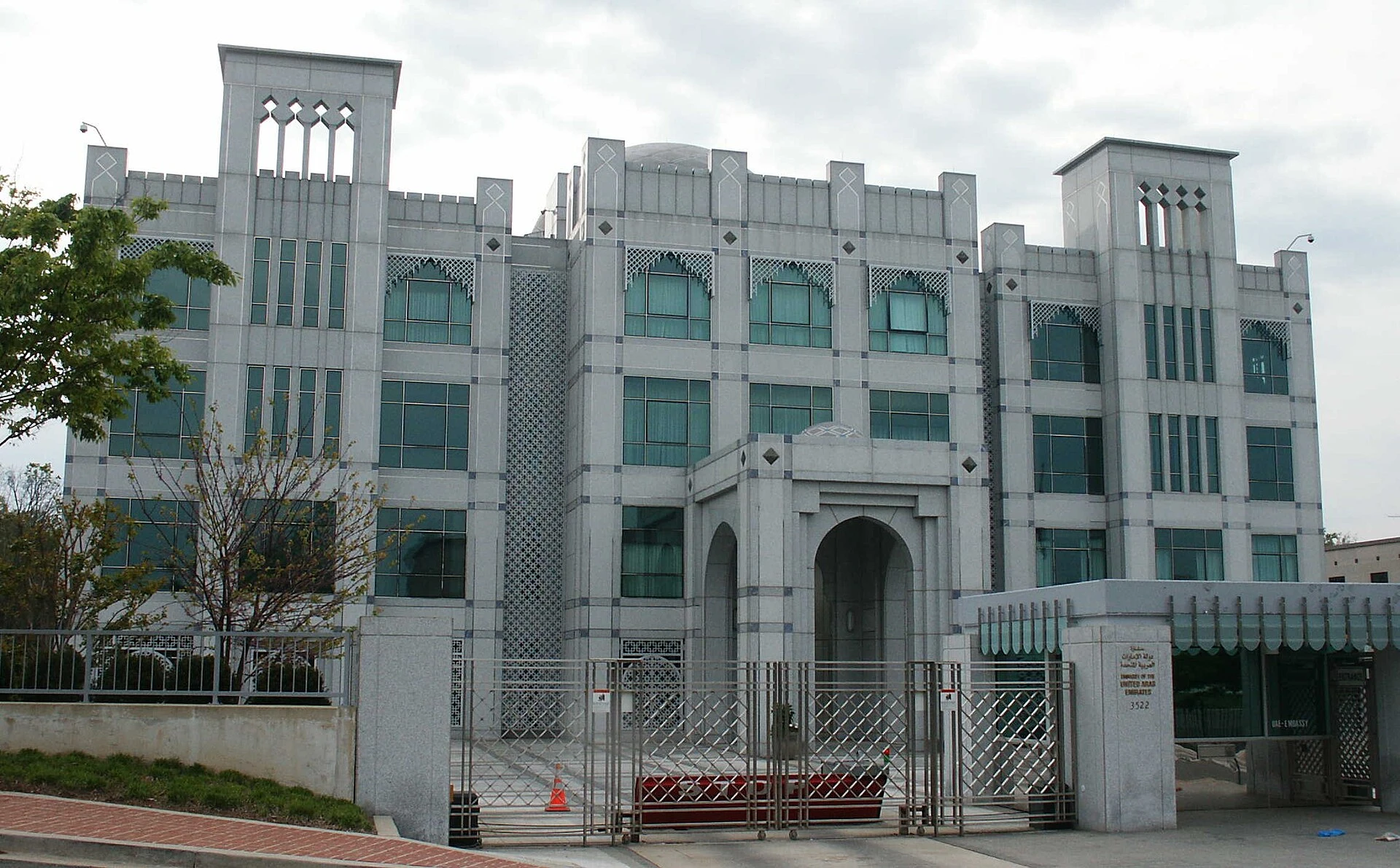
The new openness arrives against a harsher security backdrop. Iranian drone strikes in 2026 hit data centers in the UAE and Bahrain, causing outages and sharpening fears about the physical vulnerability of digital infrastructure in the Gulf. Washington is now signaling that it will keep pairing security exemptions with technology access for Abu Dhabi, even as the region’s AI buildout becomes more valuable, more exposed and more closely tied to U.S. power.
Sources
- [1]finance.yahoo.com
- [2]bis.gov
- [3]state.gov
- [4]tech.yahoo.com
- [5]group.softbank
- [6]g42.ai
- [7]cnbc.com
- [8]thehill.com