Politics
Trump Economic Adviser Departs White House for Federal Reserve Role: What’s Behind the Move?
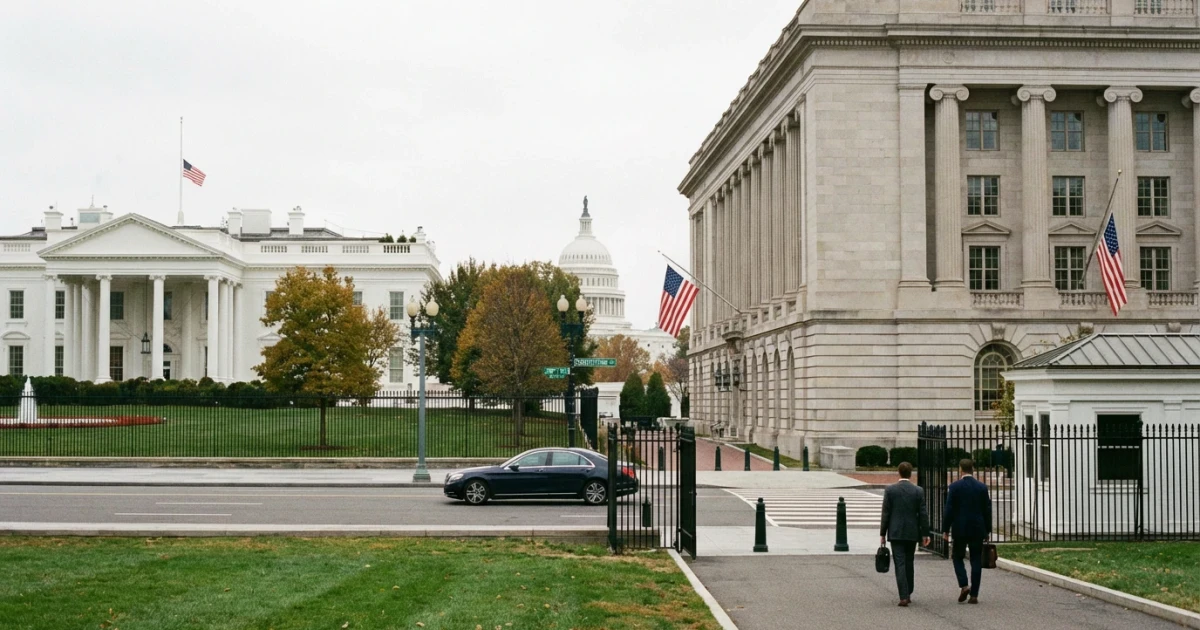
A senior economic adviser to former President Donald Trump is leaving the White House to remain at the Federal Reserve, raising questions about the motivations behind this move and what it could mean for U.S. economic policy as the 2026 election cycle heats up.
Understanding the Departure
The departure of a key Trump economic adviser to stay at the Federal Reserve is drawing attention, given the pivotal role such advisers play in shaping White House economic strategies. While the name of the adviser and additional details were not disclosed in the Baltimore Sun report, the move underscores ongoing dynamics between the White House and America’s central bank.
White House vs. Federal Reserve: Competing Priorities
Historically, White House economic advisers and Federal Reserve officials sometimes find themselves at odds. The White House is often focused on policies that support economic growth, job creation, and, in an election year, public sentiment. The Federal Reserve, meanwhile, is charged with maintaining price stability and controlling inflation, sometimes pursuing policies like raising interest rates that can slow growth in the short term.
This transition from the White House to a continued role at the Fed may suggest a preference for the central bank’s independence or a desire to influence monetary policy from within a less partisan institution.
Implications for Economic Policy
- The White House loses a senior voice with experience in both fiscal and monetary policy arenas.
- The Federal Reserve retains an insider with deep knowledge of the administration’s priorities.
- The move could signal ongoing debates over interest rates, inflation, and economic growth as the Fed continues to monitor key indicators like unemployment and GDP growth.
Broader Context
Such transitions are not unprecedented. Advisers with expertise in both government and central banking often move between the two, helping to bridge gaps or, at times, highlight differing philosophies. As the Federal Reserve’s decisions continue to impact markets and Main Street Americans alike, the presence of a former White House adviser could shape internal debates about inflation, rate hikes, and longer-term strategies.
Looking Ahead
While the immediate impact of this departure may be muted, it raises questions about the Trump team’s economic bench strength and the Federal Reserve’s ongoing relationship with the executive branch. With economic challenges and election-year pressures mounting, all eyes will be on how both the White House and the Fed navigate this change in personnel and what it means for America’s economic trajectory.