Politics
Trump-era SNAP cuts squeeze grocers ahead of 2026 midterms
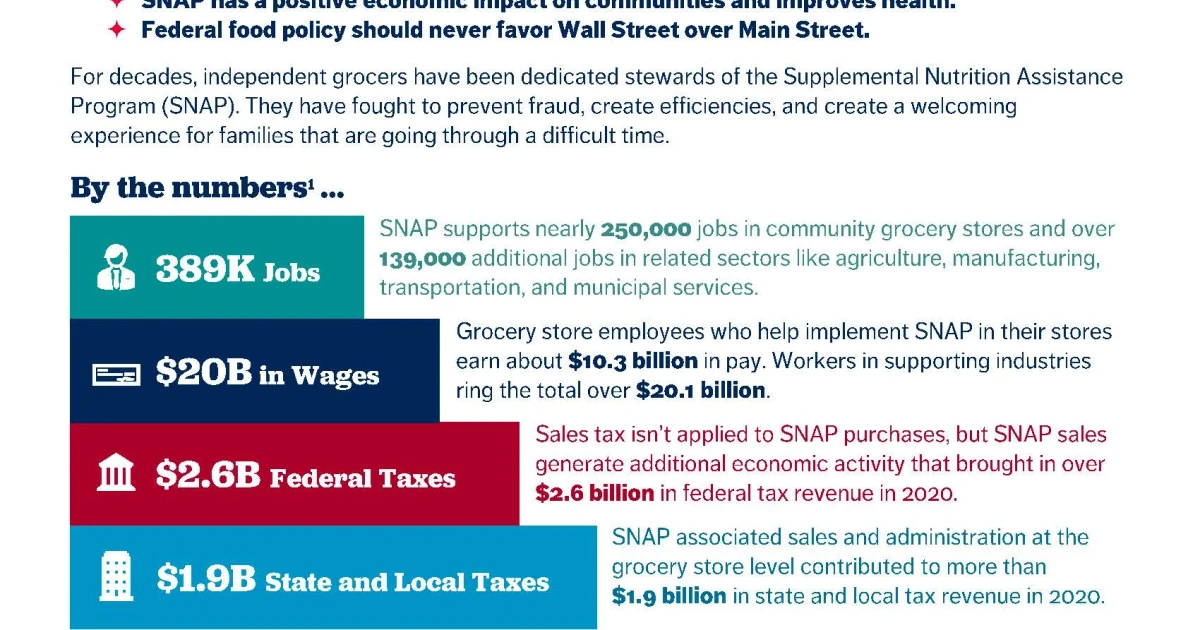
At least 3.5 million people had lost food stamp access by May 30 as Trump-era SNAP cuts began taking effect, pushing independent grocers in rural towns and food deserts to brace for weaker traffic and thinner margins. The political fight over the cuts is colliding with grocery bills and store viability as the 2026 midterm battle sharpens.
Republicans’ 2025 policy megabill slashed deeply into the Supplemental Nutrition Assistance Program and expanded work requirements for the nation’s largest anti-hunger program. That matters far beyond Washington because SNAP shoppers often make up a large share of business for community stores, especially in places where one supermarket serves miles of surrounding households.
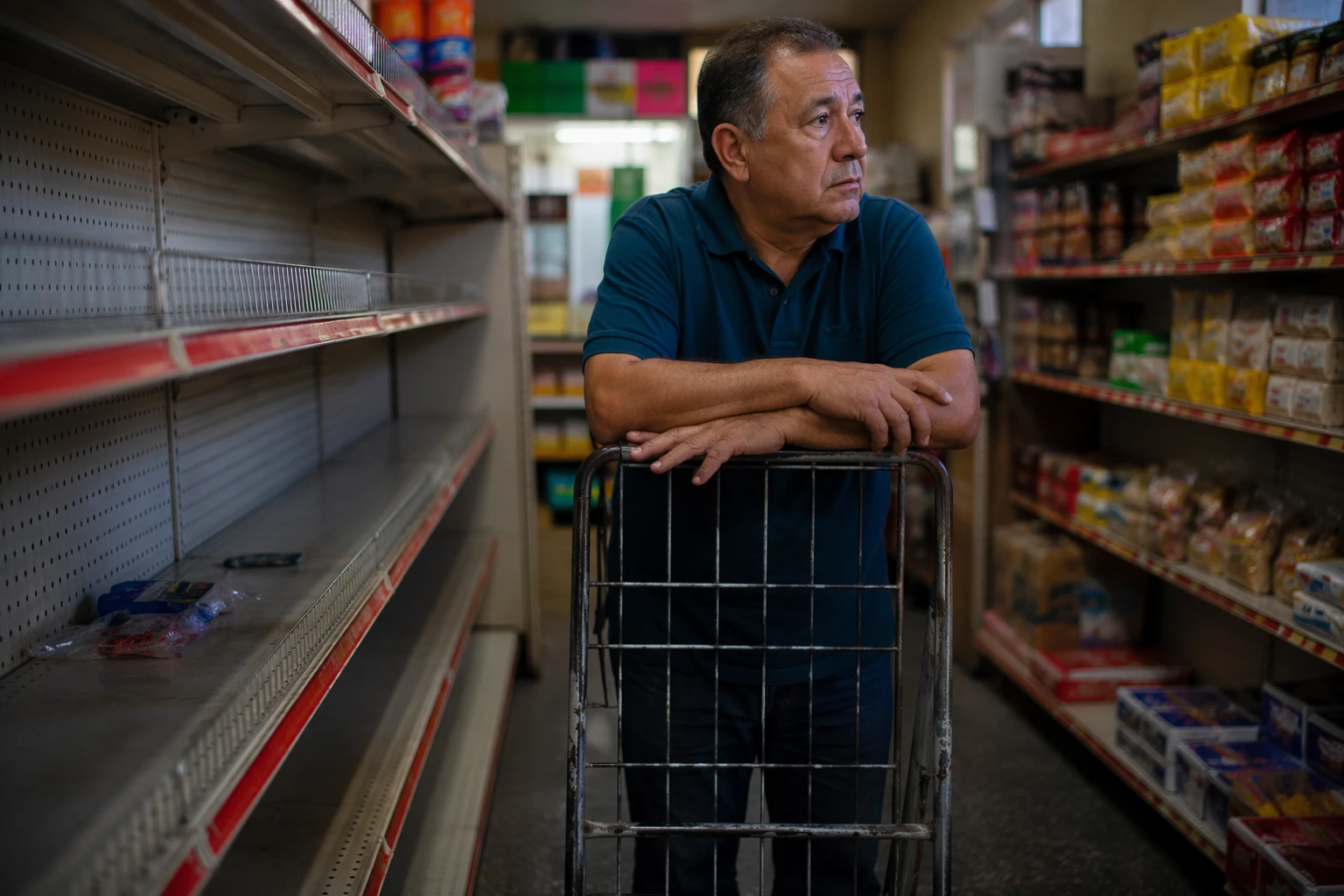
The National Grocers Association and other industry groups have warned that those stores are exposed in a way big chains are not. Independent grocers already operate on razor-thin margins, and when sales soften, closures can follow. In rural towns and underserved neighborhoods, a closure can leave residents driving much farther for basic groceries, turning a budget fight in Congress into a transportation and access problem at the kitchen-table level.
The economic ripple extends well beyond store owners. The Commonwealth Fund estimated that Medicaid and SNAP cuts could cost about 143,000 jobs nationwide, including 78,000 direct losses in agriculture, retail grocery and food processing. In a later brief with the George Washington University Milken Institute School of Public Health, the group projected about 1.03 million total job losses across the economy. Those numbers help explain why grocery operators, suppliers and farm-state businesses are treating the SNAP rollback as more than a benefits issue.
The politics are just as stark. Democrats have shown momentum in 2026 special elections even as Donald Trump continues to dominate the Republican Party, leaving the midterm environment highly competitive. The SNAP cuts are giving that competition a household-economics edge: they are already changing who shops, how often they shop and which stores can stay open.
For grocers, the question now is not whether Washington’s policy fight will reach Main Street, but how far the damage will spread before voters go to the polls.
Sources
- [1]nytimes.com
- [2]thesheffieldpress.com
- [3]ap.org
- [4]commonwealthfund.org
- [5]cnbc.com
- [6]frac.org
- [7]subscriber.politicopro.com
- [8]nationalgrocers.org