US News
Trump Excludes Democratic Governors From Bipartisan Meeting
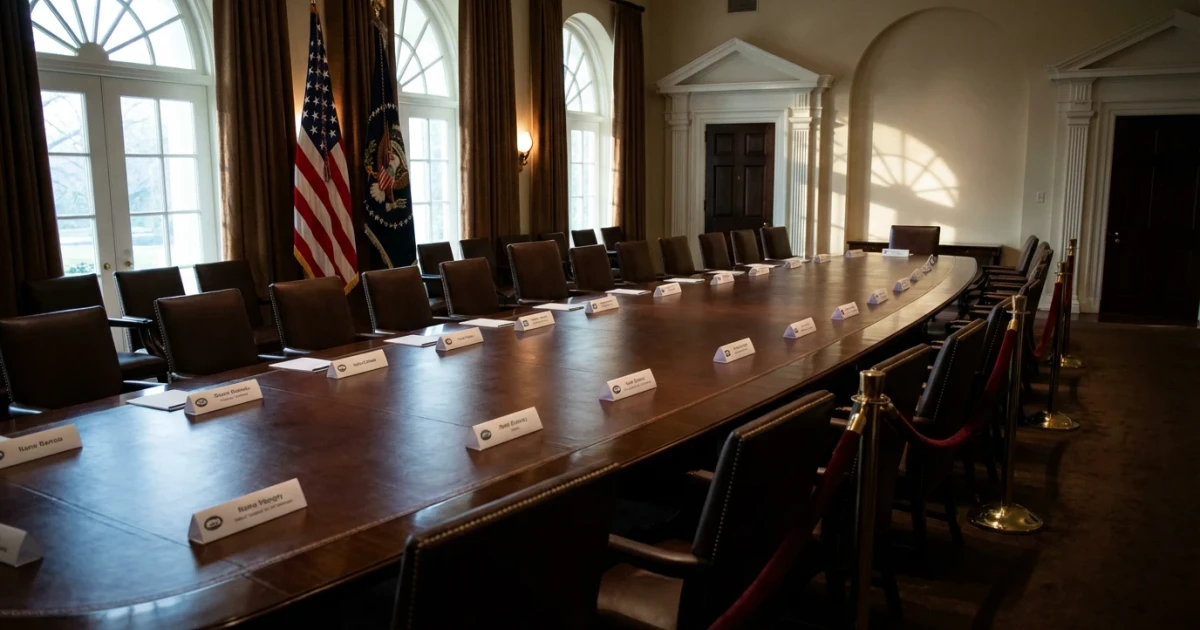
Former President Donald Trump is planning to exclude Democratic governors from a historically bipartisan meeting between the nation’s state leaders, according to reporting from The Washington Post. The decision has intensified political tensions and raised concerns about the erosion of longstanding traditions in state-federal relations.
The Tradition of Bipartisan Governors’ Meetings
For decades, meetings between U.S. governors and the president have served as an important forum for dialogue and cooperation across party lines. These gatherings, typically organized in conjunction with the National Governors Association’s annual meetings, allow state leaders to discuss pressing issues, coordinate disaster responses, and advocate for state interests regardless of party affiliation.
Research from the Brookings Institution highlights the critical role these bipartisan forums play in shaping federal-state cooperation and maintaining the balance of power in American politics.
Trump’s Decision and Its Rationale
According to The Washington Post, Trump’s team has not offered a detailed public explanation for the exclusion of Democratic governors from the upcoming meeting, which has traditionally welcomed governors from both parties. The lack of a clear rationale has prompted speculation among political analysts and state officials about the underlying motivations.
Responses and Reactions
The move has drawn swift criticism from Democratic leaders, who view it as a break with the bipartisan spirit that has historically defined the event. Among those excluded is Maryland Governor Wes Moore, who has publicly suggested that race may have played a role in his omission from the guest list, as reported by The Washington Post. The suggestion adds a further layer of controversy to an already charged political decision.
- According to the National Governors Association, the nation’s 50 governors are nearly evenly split by party, with a slight Republican majority as of 2024.
- Recent data from the Pew Research Center notes that such meetings have historically included all governors, regardless of party, with rare exceptions.
Potential Implications for State-Federal Relations
Excluding Democratic governors from this meeting could have significant consequences for how states interact with the federal government. Experts from Brookings warn that partisanship at this level may hinder coordination on critical issues like disaster relief, public health, and infrastructure funding. The tradition of bipartisan engagement, according to many analysts, serves as a crucial check against polarization and helps ensure all states have a voice in national policymaking.
While Trump’s move is not without precedent at smaller events, it represents a notable departure from the norm at high-profile national gatherings. The decision underscores broader trends in American politics where bipartisan traditions face increasing strain.
Looking Ahead
As the date of the meeting approaches, attention now turns to how excluded governors will respond and whether the decision will have lasting ramifications for bipartisan cooperation. The incident also raises questions about the future of the National Governors Association’s traditional role as a venue for cross-party dialogue and the extent to which state leaders can bridge partisan divides in an increasingly polarized landscape.
For a complete list of current U.S. governors and their party affiliations, readers can consult the New York Times’ 2024 overview or explore an interactive map from Politico.
The ongoing debate over Trump’s unprecedented exclusion of Democratic governors highlights the challenges facing American political traditions—and the importance of open dialogue across the partisan divide.