US News
Trump Expands Access to Psychedelic Therapies
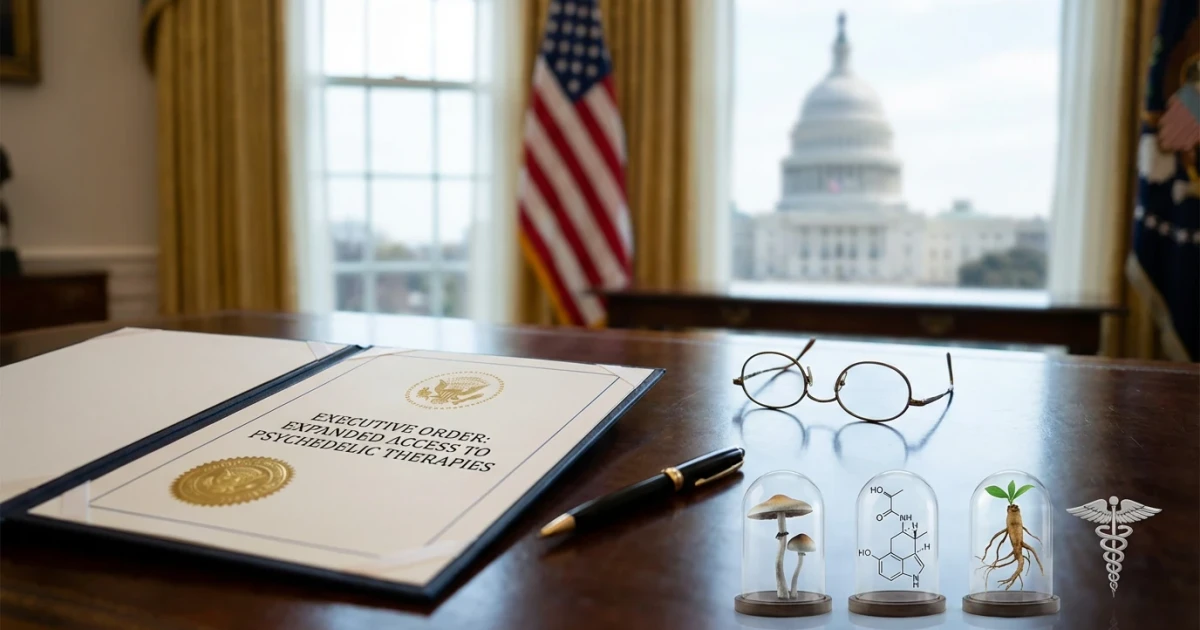
President Donald Trump has directed federal agencies to increase access to psychedelic substances such as LSD, psilocybin, and ibogaine for therapeutic purposes, marking a significant shift in U.S. drug policy. The move, first reported by The Washington Post, is expected to loosen longstanding restrictions on these substances and expand opportunities for research and clinical use.
Policy Shift Aims to Boost Research and Treatment Options
The new order instructs the Food and Drug Administration (FDA) and other agencies to streamline the approval process for clinical trials involving psychedelics, which are currently classified as Schedule I controlled substances. This classification has historically restricted both research and medical use due to concerns over safety, addiction, and lack of accepted medical value.
However, recent years have seen a surge in clinical trials investigating psychedelics for conditions like PTSD, depression, and addiction. According to the ClinicalTrials.gov database, dozens of studies involving LSD, psilocybin, and ibogaine are underway or have been completed, reflecting growing scientific interest in their therapeutic potential.
Expanded Access and Compassionate Use
The president's order also calls for expanded access, sometimes referred to as compassionate use, allowing patients with serious or life-threatening conditions to access investigational psychedelic therapies outside of clinical trials. This is intended to help patients who have exhausted traditional treatment options and may benefit from promising new approaches.
- LSD, psilocybin, and ibogaine remain tightly regulated, but the new directives could allow for wider use in medical settings.
- The FDA will be tasked with expediting review of clinical protocols and applications for expanded access to psychedelic substances.
- Law enforcement and public health agencies are expected to update guidance for medical professionals and researchers as the changes take effect.
Regulatory and Scientific Context
A growing body of research, including a RAND Corporation report, has highlighted the potential benefits of psychedelics in treating mental health and substance use disorders. Peer-reviewed analyses published in outlets like Nature Medicine document increased global activity in psychedelic clinical trials, particularly for depression and PTSD.
Internationally, agencies such as the European Medicines Agency are also monitoring and, in some cases, facilitating research into the medical use of psychedelics. The U.S. policy change could encourage similar shifts abroad or accelerate cross-border collaborations in clinical research.
Public Health and Drug Use Trends
While public acceptance of psychedelics has grown, their use remains relatively low compared to other substances. According to the 2022 National Survey on Drug Use and Health, about 2.2 million Americans reported past-year use of hallucinogens, including LSD and psilocybin. Advocates argue that careful regulation and expanded medical access could reduce stigma and promote safe, evidence-based use.
Looking Ahead
The Trump administration's order is expected to spark debate among lawmakers, medical professionals, and advocacy groups. Supporters say the move aligns with the latest science and addresses urgent mental health needs. Critics, meanwhile, caution that more research is necessary to fully understand the risks and benefits of psychedelic therapies.
As regulatory agencies implement the new directives, the landscape for psychedelic research and treatment in the U.S. is set to evolve rapidly. The coming months will reveal how these changes impact clinical practice, patient access, and ongoing efforts to balance innovation with safety.