Politics
Trump expands federal stakes in companies, drawing cronyism warnings

Washington has announced $26.7 billion in direct ownership investments across 30 deals since January 2025, with the Commerce Department leading 17 of them. That expansion of federal holdings has given Trump a fresh target for the anti-communist rhetoric he has sharpened since returning to office, even as his administration leans harder on the state as an investor and industrial backstop.
The clearest example is Intel. On Aug. 22, 2025, the government agreed to buy 433.3 million primary shares at $20.47 apiece, giving it a 9.9% stake. The $8.9 billion investment was funded by $5.7 billion in unpaid CHIPS grants and $3.2 billion from Secure Enclave funding, turning what had been subsidy money into equity.
Intel is not alone. Federal or planned stakes now extend across SandboxAQ, GlobalFoundries, D-Wave, Rigetti Computing, Infleqtion, Atom Computing, PsiQuantum, Quantinuum, Diraq, USA Rare Earth and Korea Zinc-linked supply-chain efforts. In one case, the SandboxAQ position was structured as a minority stake with no voting rights and no board seat, underscoring that the administration is not trying to run these companies day to day, but it is putting taxpayers on the cap table.
The White House has cast the strategy as a national security response to dependence on China, especially in semiconductors and critical minerals. Trump officials have signaled they may pursue more such deals in artificial intelligence and defense-adjacent industries, extending a model that blends federal financing, strategic stock ownership and industrial policy into one tool.
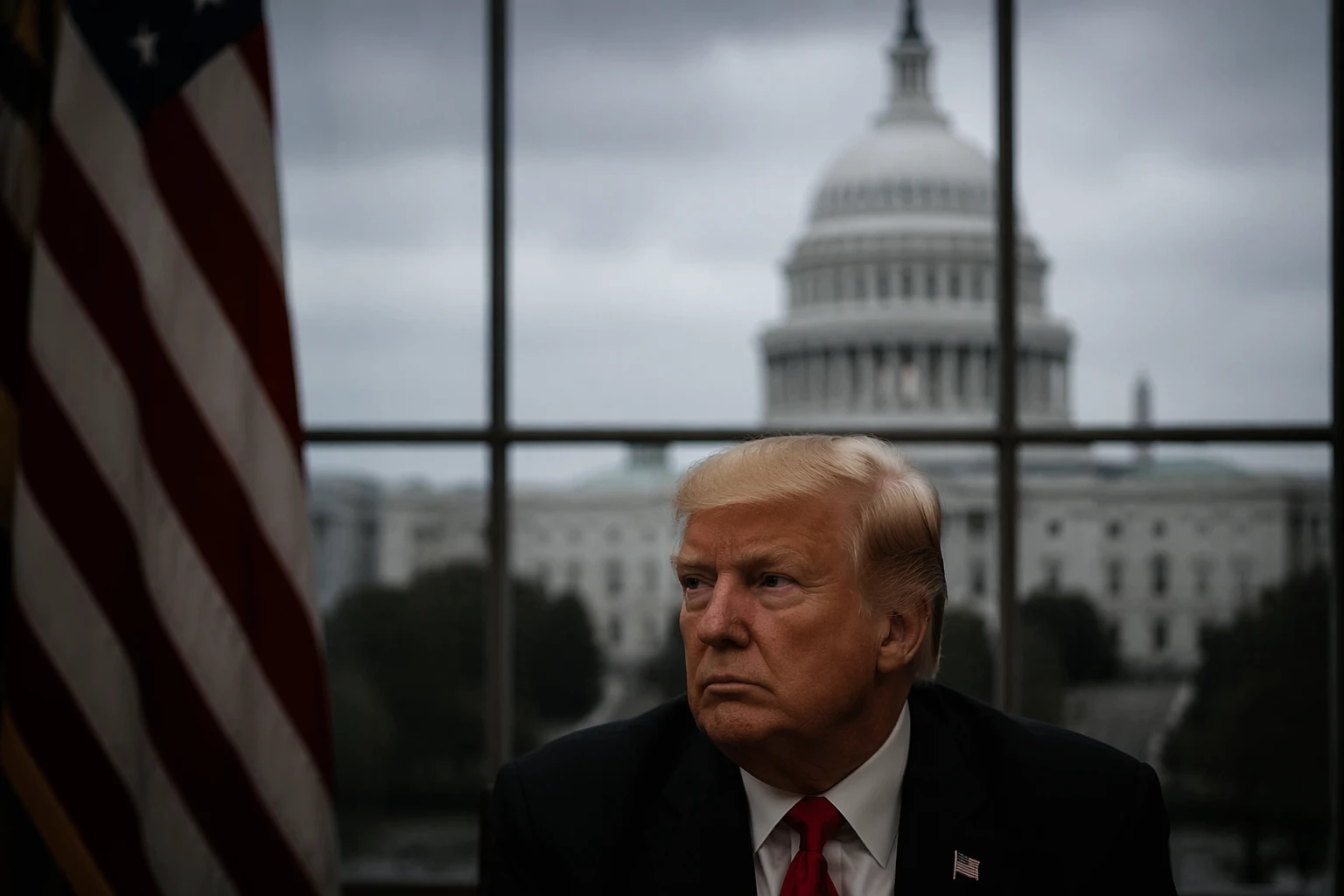
That approach sits awkwardly beside Trump’s political messaging. In June and early July, he warned that Democrats were becoming “godless communists” and claimed communism posed a greater threat than World War I, World War II, Pearl Harbor and September 11. The Associated Press has said experts consider those claims inaccurate, noting that no candidate openly belonging to the U.S. Communist Party has ever been elected to state or federal office.
Critics across economics and politics warn that the result could be cronyism, distorted markets and losses for taxpayers, with some describing the shift as state corporatism or a command-economy-style turn. Supporters argue the stakes are justified by national security and domestic supply-chain goals, but the move also marks a break from earlier bipartisan industrial policy, which largely relied on grants, tax incentives and loans rather than the federal government taking direct ownership in private firms.
Sources
- [1]washingtonpost.com
- [2]cfr.org
- [3]finance.yahoo.com
- [4]intc.com
- [5]ap.org