Technology
Trump explores government stake in AI boom gains
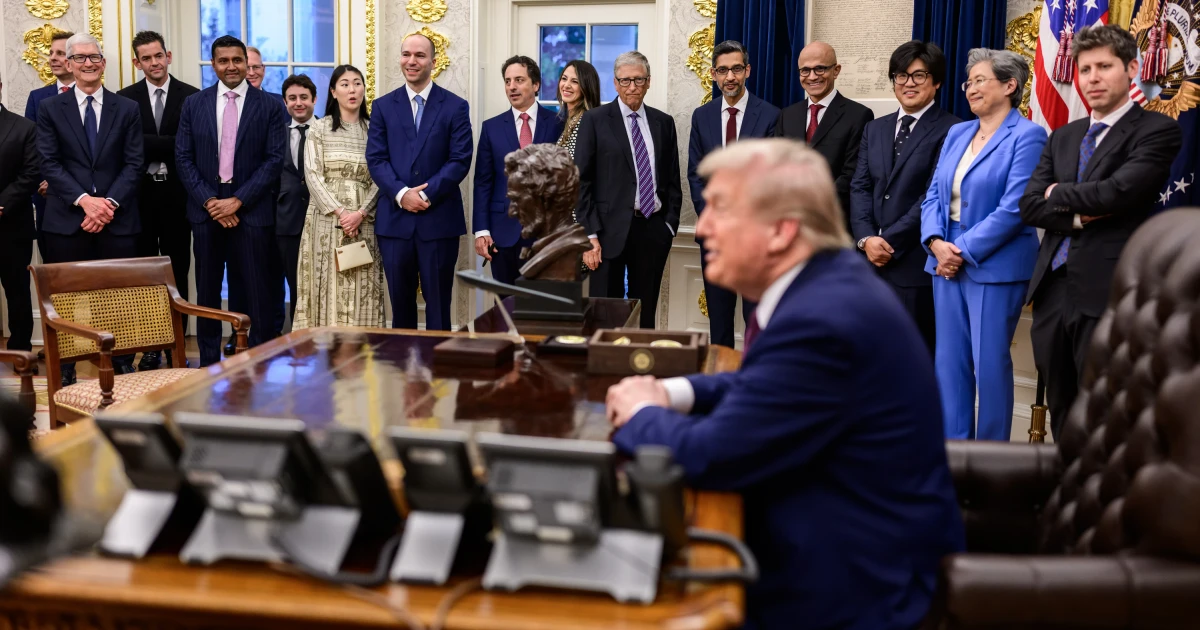
Donald Trump is testing a politically charged question at the center of the AI boom: should Americans get a direct financial stake in the companies creating it? His team was looking into the idea on June 5, and he said he would host AI executives at the White House to discuss how the public might share in the gains.
The debate is quickly moving beyond slogans into mechanisms. One option under discussion would put government representatives on company boards. Another would use targeted taxes on AI firms. A third would trade federal funding or other government support for equity stakes in the companies themselves, a model that would look less like a traditional subsidy and more like a national ownership claim.
That matters because the biggest AI developers are approaching the capital markets. Anthropic confidentially filed a draft S-1 with the U.S. Securities and Exchange Commission on June 1, 2026, and OpenAI filed confidentially for a U.S. initial public offering soon after. Reuters said OpenAI is aiming for a valuation of up to $1 trillion, while CNBC put OpenAI’s latest post-money valuation at $852 billion and Anthropic’s secondary-market valuation at about $965 billion.
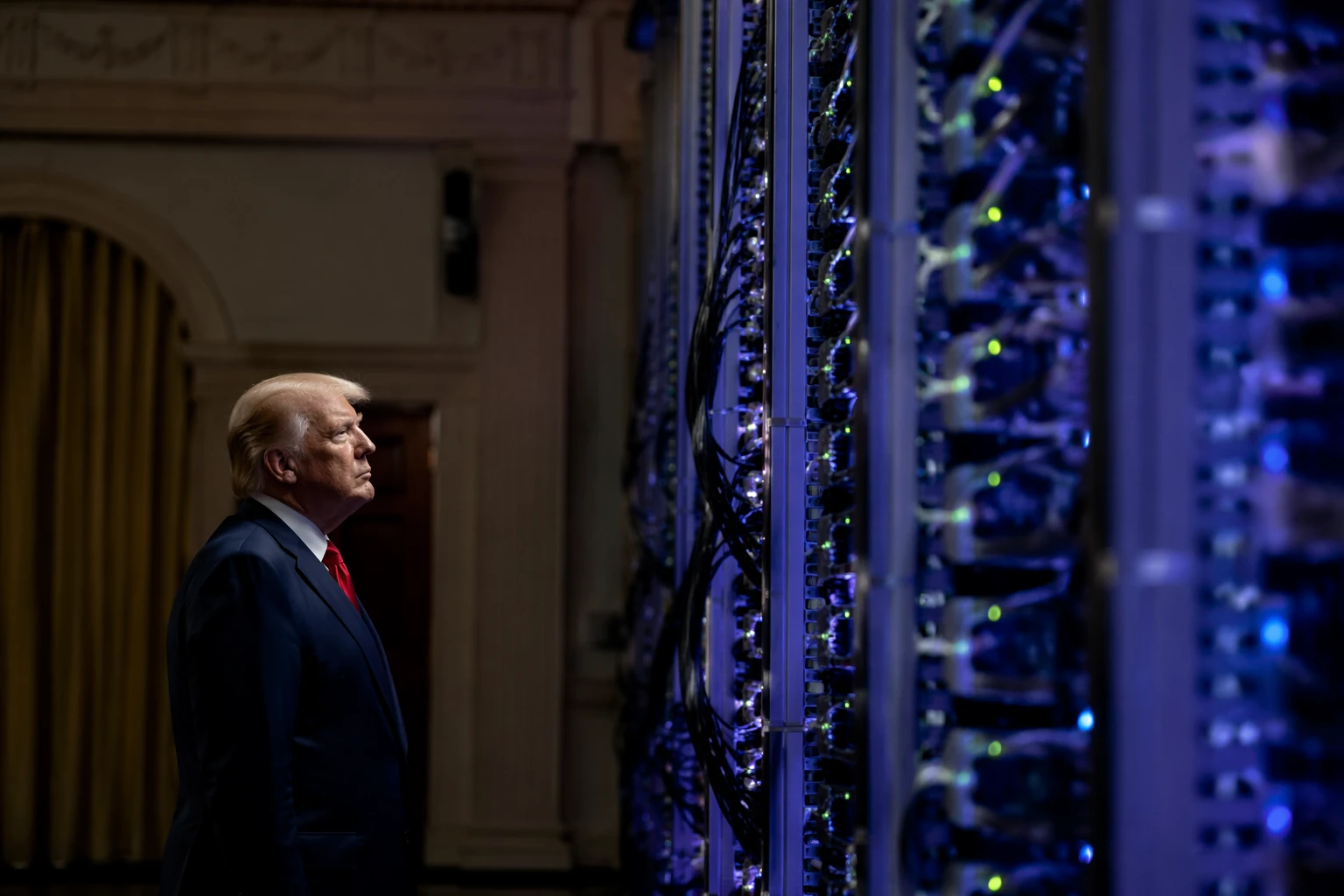
The fight is no longer just about how to regulate AI, but how to split its upside. If the government takes equity, Washington could build a sovereign-style stake in a private industry that is still young but already valued like a national champion. If it uses taxes instead, companies could argue that policy is punishing the very investment that made the United States the center of the AI race. A profit-sharing model would spread gains more broadly, but it would also raise hard questions about who qualifies, who pays, and whether public returns should come from stock ownership, dividends or a separate fund.
Bernie Sanders has pushed the argument even further. The Vermont senator said he would introduce, and then introduced, the American AI Sovereign Wealth Fund Act, which would impose a one-time 50% tax on AI company stock and place those shares into a public fund. Some accounts said the proposal could eventually pay every American more than $1,000 a year or distribute $1,000 dividends, turning AI into a source of public cash flow rather than only private capital gains.
The policy backdrop for that fight was set last year, when the White House released Winning the AI Race: America’s AI Action Plan on July 23, 2025. OpenAI chief executive Sam Altman first shared the idea with the Trump administration in 2025, and one proposal discussed since then would have OpenAI donate equity to seed a public wealth fund. However the administration chooses to proceed, the central issue is now clear: who captures the gains from the AI boom.
Sources
- [1]finance.yahoo.com
- [2]srnnews.com
- [3]cnbc.com
- [4]anthropic.com
- [5]whitehouse.gov
- [6]openai.com
- [7]thehill.com