US News
Trump Faces Domestic Pressures Amid China Summit
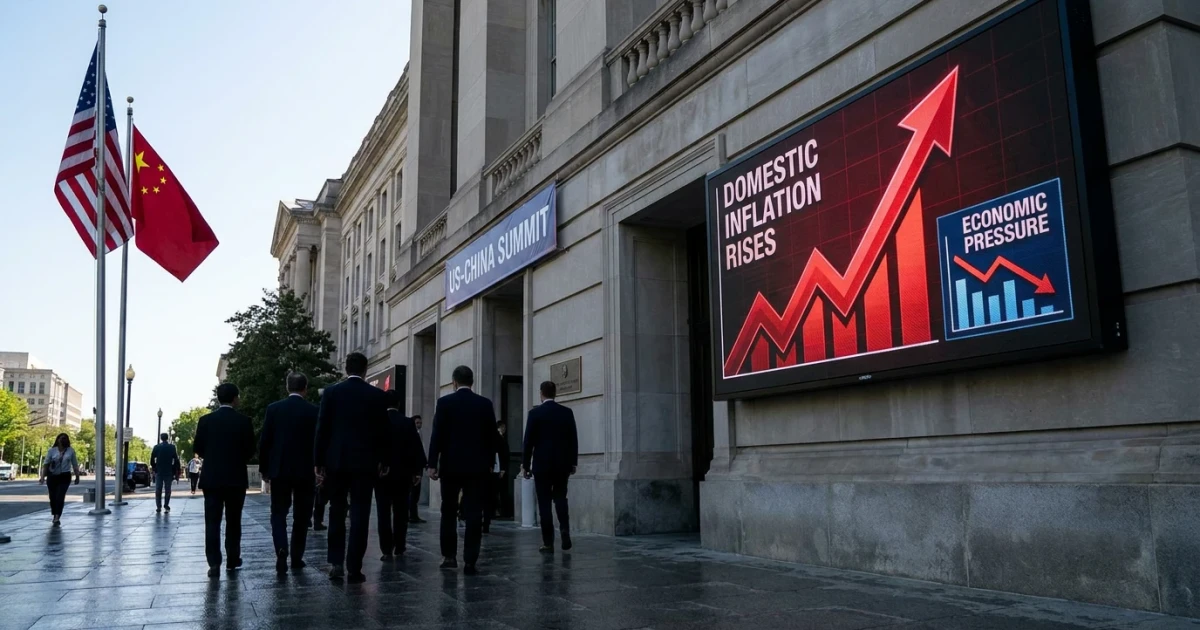
President Donald Trump’s recent summit in China underscored the administration’s ongoing attempt to manage complex diplomatic and economic relationships, even as domestic challenges—most notably rising inflation—create new headwinds for the White House.
Diplomatic Showmanship Abroad
Trump’s visit to Beijing was marked by the familiar pageantry of state visits. Media reports described brass bands and formal ceremonies, showcasing the significance both nations placed on the summit. The summit aimed to address a series of contentious issues, from trade imbalances to ongoing tariff disputes, signaling that despite tension, both sides remain invested in dialogue.
The official joint statement released by the White House emphasized commitments to ongoing negotiation and cooperation. However, the summit’s ceremonial optimism contrasted sharply with the economic anxieties dominating headlines back in the United States.
Sticker Shock at Home as Inflation Escalates
While diplomatic gestures played out in Beijing, American households faced mounting economic pressures. The Consumer Price Index (CPI) continued to reflect escalating inflation, with prices rising across categories from groceries to fuel. According to the Bureau of Labor Statistics, consumer prices have shown significant increases year-over-year, intensifying concerns about affordability and purchasing power.
- Official CPI data points to a steady climb in costs for essential goods and services.
- Many analysts attribute some of these increases to ongoing tariff policies between the U.S. and China.
This economic backdrop has put additional pressure on the administration to secure tangible wins from trade negotiations. While the summit produced public commitments to further talks, many in Washington and across the country remain concerned about the immediate effects of tariffs and inflation on American families.
Trade Tensions and Economic Impact
The U.S.-China economic relationship remains both vital and fraught. Data from the U.S. Census Bureau shows that the bilateral trade balance continues to be a central issue, with persistent deficits drawing scrutiny from policymakers and the public alike.
Analysis from the Congressional Budget Office and other experts indicates that tariffs imposed during the trade war have contributed to higher prices for American consumers, while also affecting GDP growth. The Peterson Institute for International Economics provides a clear timeline and breakdown of tariffs and their economic effects, underscoring the complexity of achieving both diplomatic and economic objectives in the current climate.
Public Sentiment and Political Stakes
As the summit concluded, attention shifted quickly back to the domestic front. Many Americans are experiencing firsthand the impact of inflation, with sticker shock at the grocery store and gas pump becoming a defining issue of the year. The administration’s ability to manage these challenges—while maintaining a united diplomatic front—is likely to influence both public approval and the political landscape leading into the next election cycle.
Looking Ahead
While President Trump’s summit in Beijing signaled a willingness to keep lines of communication open, the real test will be whether these high-level meetings yield substantive relief for American consumers facing rising costs. As negotiations continue and global economic pressures persist, the intersection of diplomacy and domestic economics remains in sharp focus for both the administration and the public.