Politics
Trump faces growing backlash over withheld Epstein files
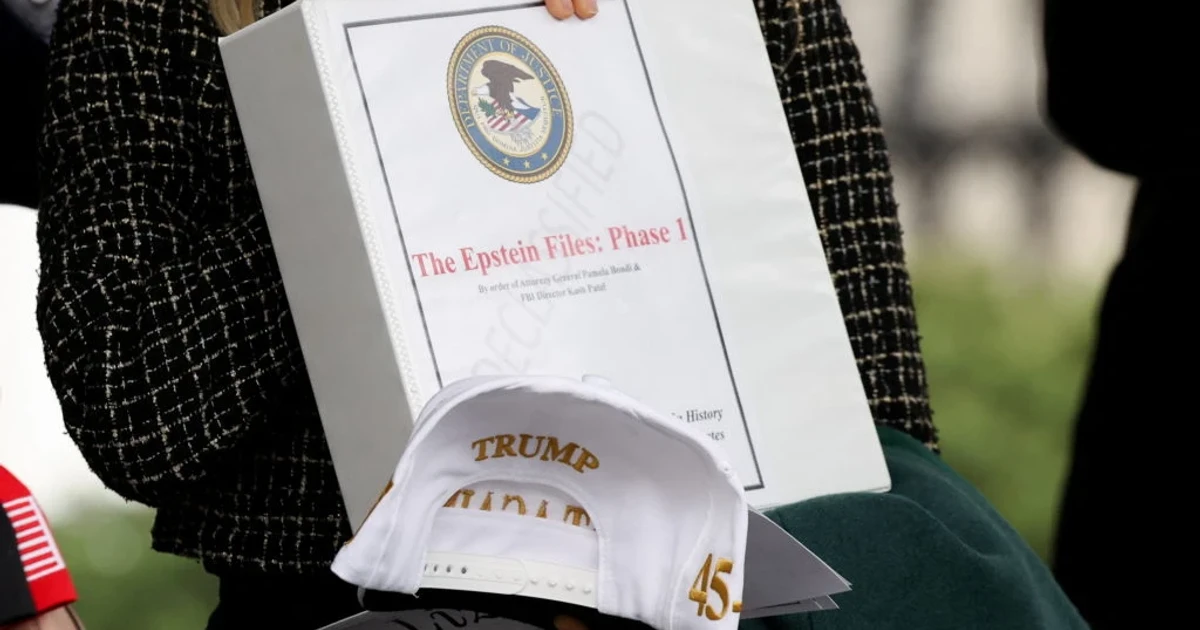
Donald Trump’s promise to open the Jeffrey Epstein files has become a durable governing problem, not a one-off embarrassment. What started as campaign rhetoric with JD Vance about releasing Justice Department records has turned into a recurring test of credibility inside the White House, where each new disclosure effort has only fueled suspicion that the administration is trying to manage the political fallout rather than resolve it.
The trouble began as soon as Trump returned to office. On Feb. 21, 2025, Pam Bondi said on Fox News that a list of Epstein clients was “sitting on my desk right now to review,” then later said she had meant case files, not an actual client list. Six days later, the Justice Department brought conservative influencers to the White House and handed out binders labeled “The Epstein Files: Phase 1,” but most of the material had already been public. Bondi and her team did not inform White House officials in advance, deepening the sense of disarray.
By June, the issue had shifted from a messaging problem to a political liability. On June 5, Robert Garcia and Stephen Lynch sent Bondi and FBI Director Kash Patel a letter asking whether the files were being withheld because they personally implicated Trump. The Democrats cited an Elon Musk post claiming Trump was in the Epstein files, a reminder that the controversy was spilling far beyond Capitol Hill and into the broader online political ecosystem. On July 7, the Justice Department and FBI said a review found no evidence of a client list or any basis to investigate uncharged parties, but that statement did not quiet the suspicion around what had been withheld and why.

The pressure only grew on July 23, when the House Oversight subcommittee voted 8-2 to compel Justice Department records tied to the Epstein investigation. The vote was notable for the Republican defections: Nancy Mace, Scott Perry and Brian Jack joined Democrats. The subpoena effort also sought a deposition from Ghislaine Maxwell, who is serving a 20-year sentence for sex trafficking, and called for testimony from Bill Clinton, former attorneys general, James Comey and Robert Mueller.

By November, the Epstein fight had become a broader referendum on Trump’s political control. The House and Senate passed the Epstein Files Transparency Act, and the White House quietly tried to slow-walk the vote before Trump reversed course and signed the bill. The episode showed how a promise made to energize voters had become a sustained vulnerability, one that split the GOP base, complicated the White House’s communications strategy and exposed the gap between populist campaign promises and the realities of governing.
Sources
- [1]nytimes.com
- [2]abcnews.com
- [3]time.com
- [4]oversightdemocrats.house.gov
- [5]usnews.com