Politics
Trump faces inflation backlash as Iran war drives up prices
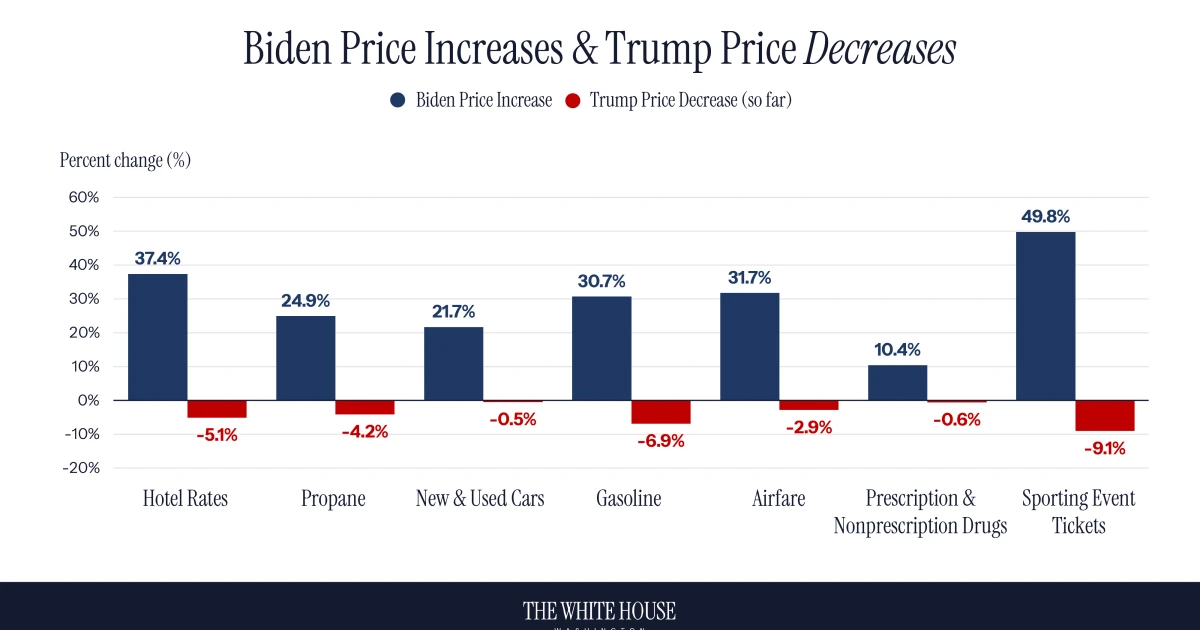
Gasoline, utility bills and grocery costs are once again turning Washington’s foreign policy into kitchen-table politics. The U.S. Consumer Price Index rose 4.2% over the past year in May 2026, the fastest annual pace since April 2023, and the energy index climbed 3.9% in the month, accounting for more than 60% of the increase in overall prices.
Donald Trump has tried to argue that the squeeze is temporary and tied to the war with Iran. He said he “loved” inflation and predicted prices would fall once the conflict ends and energy flows through the Strait of Hormuz are restored. The White House has cast the spike as a short-lived energy shock, but households are still seeing the costs show up in the basics they cannot defer: filling the tank, heating and cooling homes, paying shipping-fed grocery prices and absorbing higher utility bills.
That message is colliding with public unease. A June Reuters/Ipsos poll found only 22% of Americans approved of Trump’s handling of the cost of living, while 70% disapproved. The same poll found 59% expected gas prices to rise over the next year because of the conflict, a sign that the war’s impact is being felt not as a strategic abstraction but as a monthly expense.
Economists have warned that the energy shock is feeding through the broader economy, not just the pump. CNBC said energy prices were the main driver of the May inflation surge, while POLITICO reported that inflation had surged to its highest level in three years and that few economists expected gasoline to return to prewar levels anytime soon. That leaves Trump’s broader economic pitch, built around tax cuts and deregulation, vulnerable to a simple comparison at the checkout line: what households save in policy promises versus what they lose in visible inflation.
The timing is politically dangerous. Republicans head into the November 2026 midterms defending control of Congress, and affordability is shaping up as one of the clearest tests of whether Trump’s economic agenda can survive a war-driven price shock. If voters keep linking Iran, energy and everyday bills, the argument that tax cuts alone can offset inflation may prove much harder to sell.
Sources
- [1]washingtonpost.com
- [2]bls.gov
- [3]politico.com
- [4]ap.org
- [5]ipsos.com
- [6]cnbc.com
- [7]reuters.com