World
Trump faces pressure to secure stronger Iran deal than Obama achieved
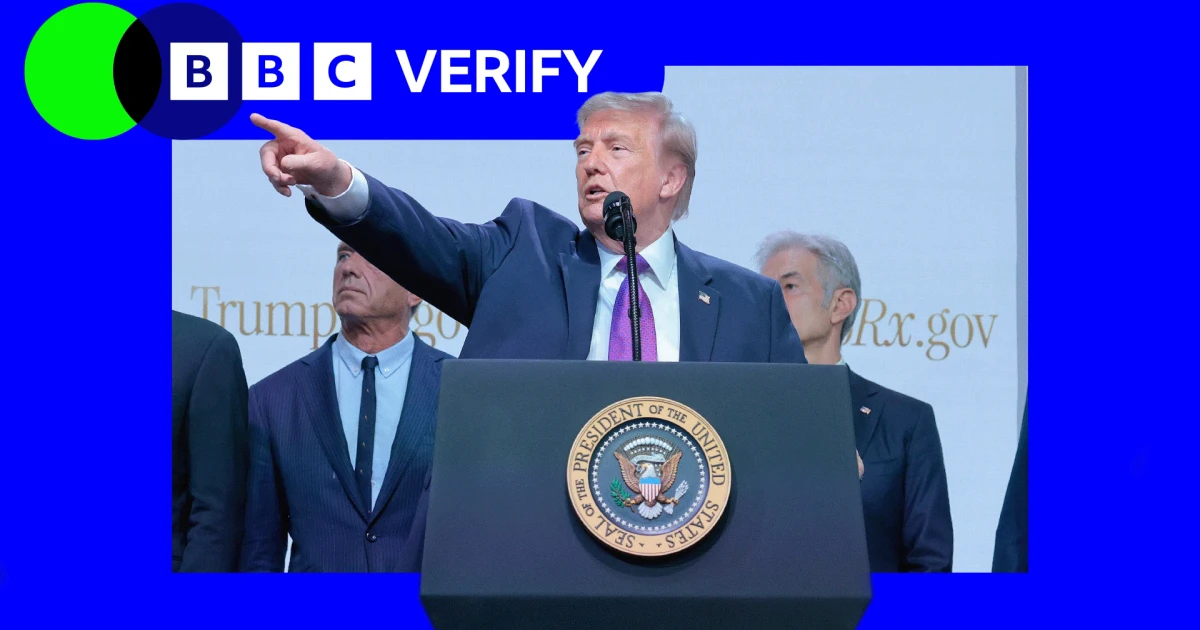
Donald Trump is now being judged against the deal Barack Obama already sold as the best available brake on Iran’s nuclear program. Any new agreement will have to show concrete gains on enrichment limits, inspections and enforcement, because the price of military escalation and economic disruption has already been paid.
The benchmark remains the 2015 Joint Comprehensive Plan of Action, finalized in Vienna on July 14, 2015 and endorsed by the U.N. Security Council six days later in Resolution 2231. Under that accord, Iran agreed to keep its stockpile below 300 kilograms of uranium hexafluoride enriched to no more than 3.67% for 15 years, while capping enrichment capacity at Natanz and putting excess centrifuges under International Atomic Energy Agency monitoring.
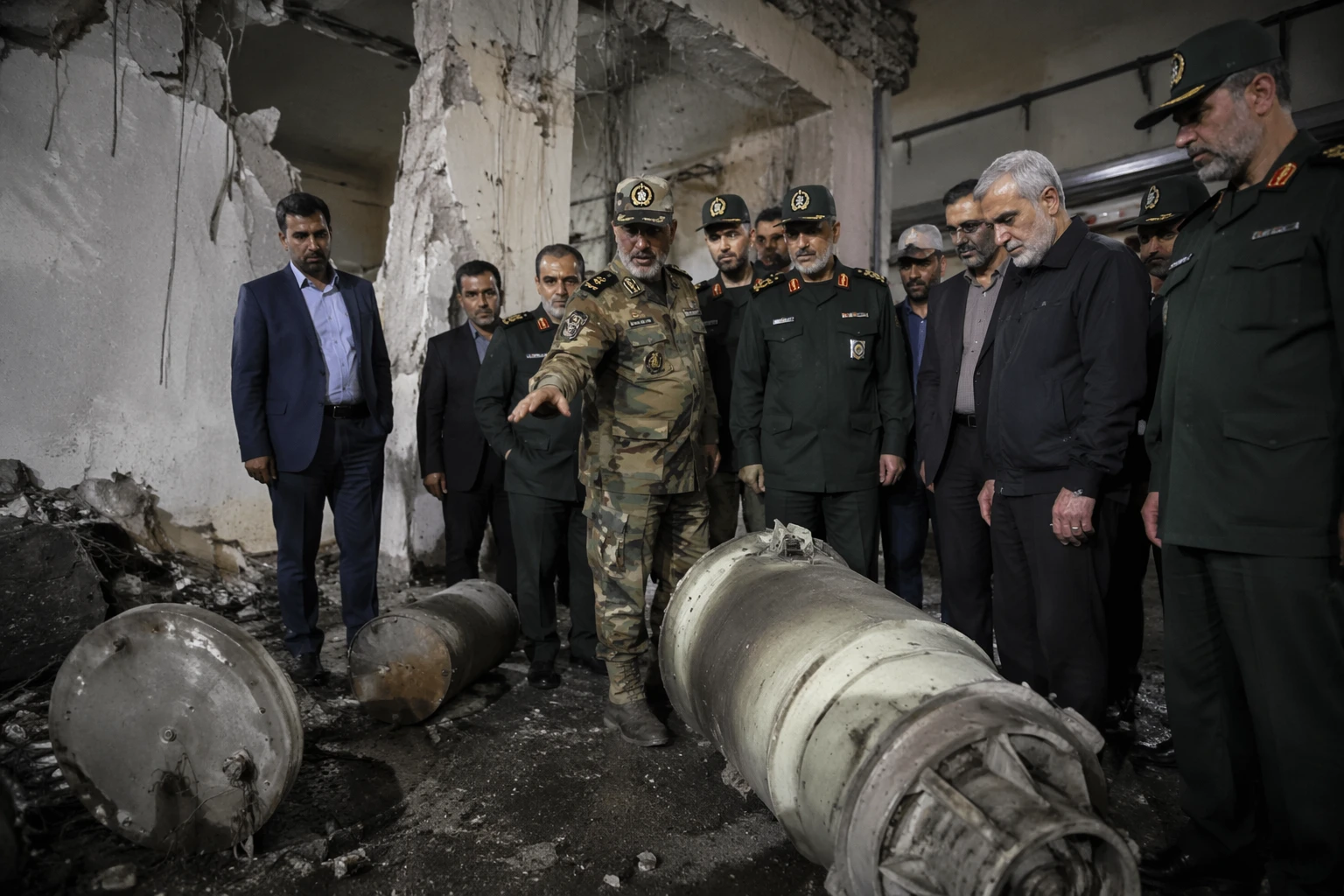
That framework did not hold. The IAEA reported that Iran breached the 300-kilogram limit on July 1, 2019. By February 2021, Iran had halted more intrusive verification measures, and by November 2024 arms-control monitoring cited by the sources said Iran held far larger stocks of enriched uranium, including material enriched to 60%.
The United States withdrew from the JCPOA in May 2018, and the fight over snapback sanctions has since become central to any effort to write a replacement. In October 2025, Secretary of State Marco Rubio said the United States was imposing sanctions in support of U.N. snapback over Iran’s significant non-performance. The United Nations reimposed sanctions and other restrictions in 2025 under the snapback mechanism tied to Iran’s continuing non-performance.

By June 2026, reporting indicated that U.S. and Iranian officials had agreed on a framework or memorandum of understanding that could lead to further talks over nuclear limits, sanctions relief and the future status of the Strait of Hormuz. But the details remained contested, and critics argued that any new pact could still look uncomfortably close to the Obama-era model unless it goes further on enforcement and limits on enrichment.
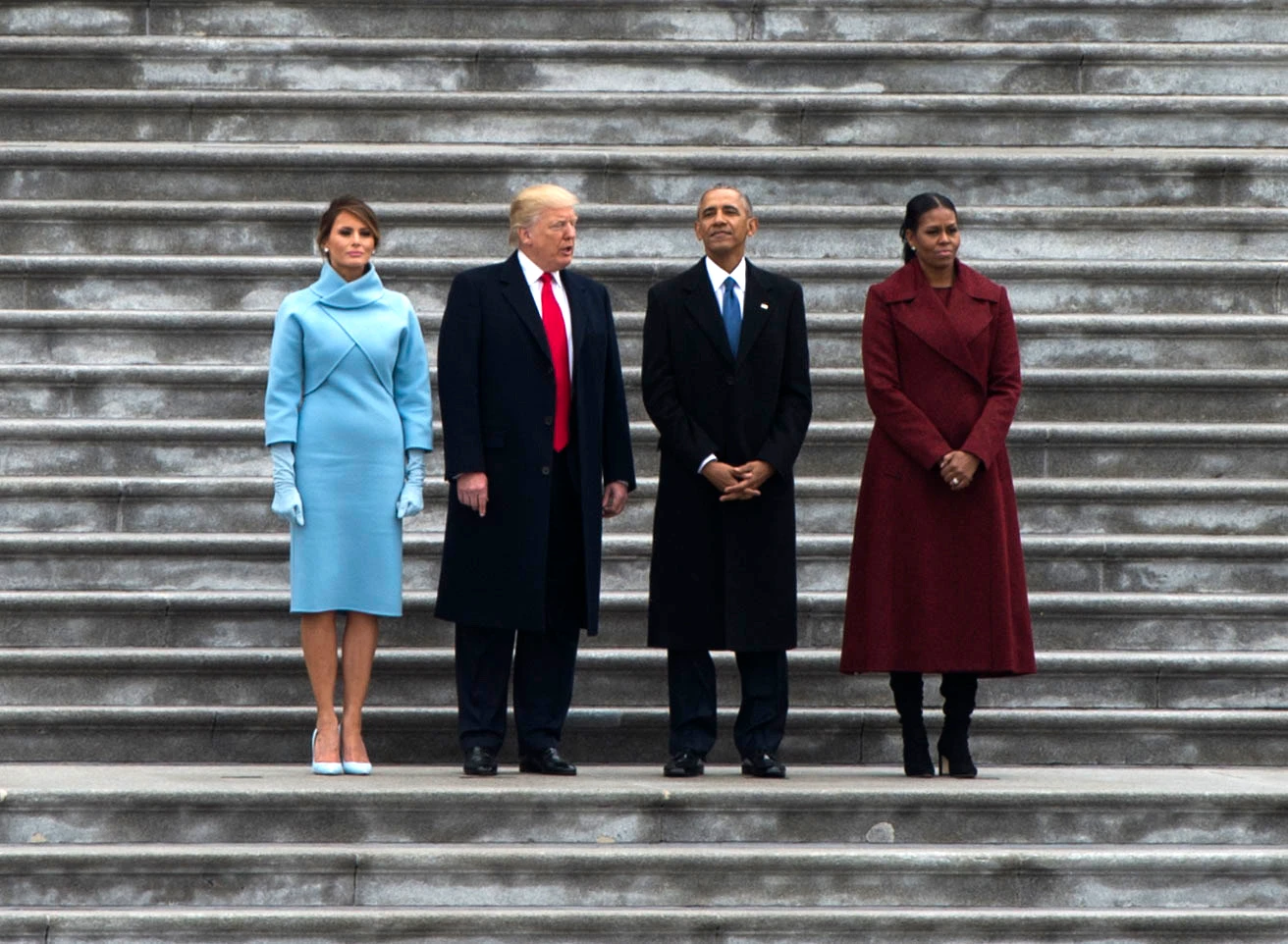
That is the political test facing Trump. A deal that merely recreates the JCPOA would invite comparison with the original cap of 300 kilograms at 3.67%, the Natanz restrictions and the IAEA oversight that Iran later strained and then abandoned. To be judged stronger, any Trump agreement would need tougher, longer-lasting curbs, tighter verification and enforcement that survives Iranian backsliding. Otherwise, it risks being seen as a costly reset rather than a better bargain.
Sources
- [1]nytimes.com
- [2]obamawhitehouse.archives.gov
- [3]main.un.org
- [4]state.gov
- [5]iaea.org
- [6]armscontrol.org
- [7]reuters.com