Politics
Trump family business expansion reignites conflict-of-interest concerns
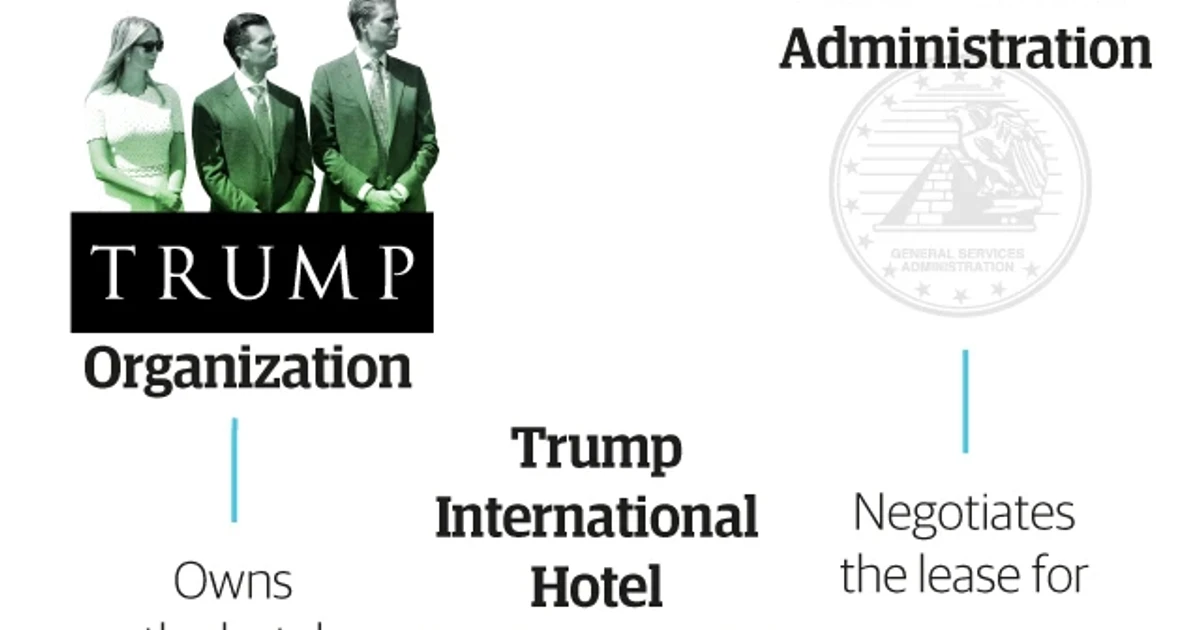
Donald Trump’s family is expanding into new business ventures while he remains in office, a break from the modern expectation that presidents keep clear of profit-making that could overlap with public power. The latest wave of activity includes overseas projects in the Gulf and crypto deals that have drawn fresh conflict-of-interest concerns from watchdog groups and ethics experts.
The contrast with earlier presidencies is stark. Jimmy Carter placed his family peanut business into a trust before taking office in 1977, a step meant to avoid even the appearance of self-dealing. George W. Bush’s ties to Harken Energy became an ethics controversy in the 1990s and early 2000s, after questions were raised about his stock sale and the timing of the transaction. Trump has taken a different approach, repeatedly refusing to fully divest from his holdings.
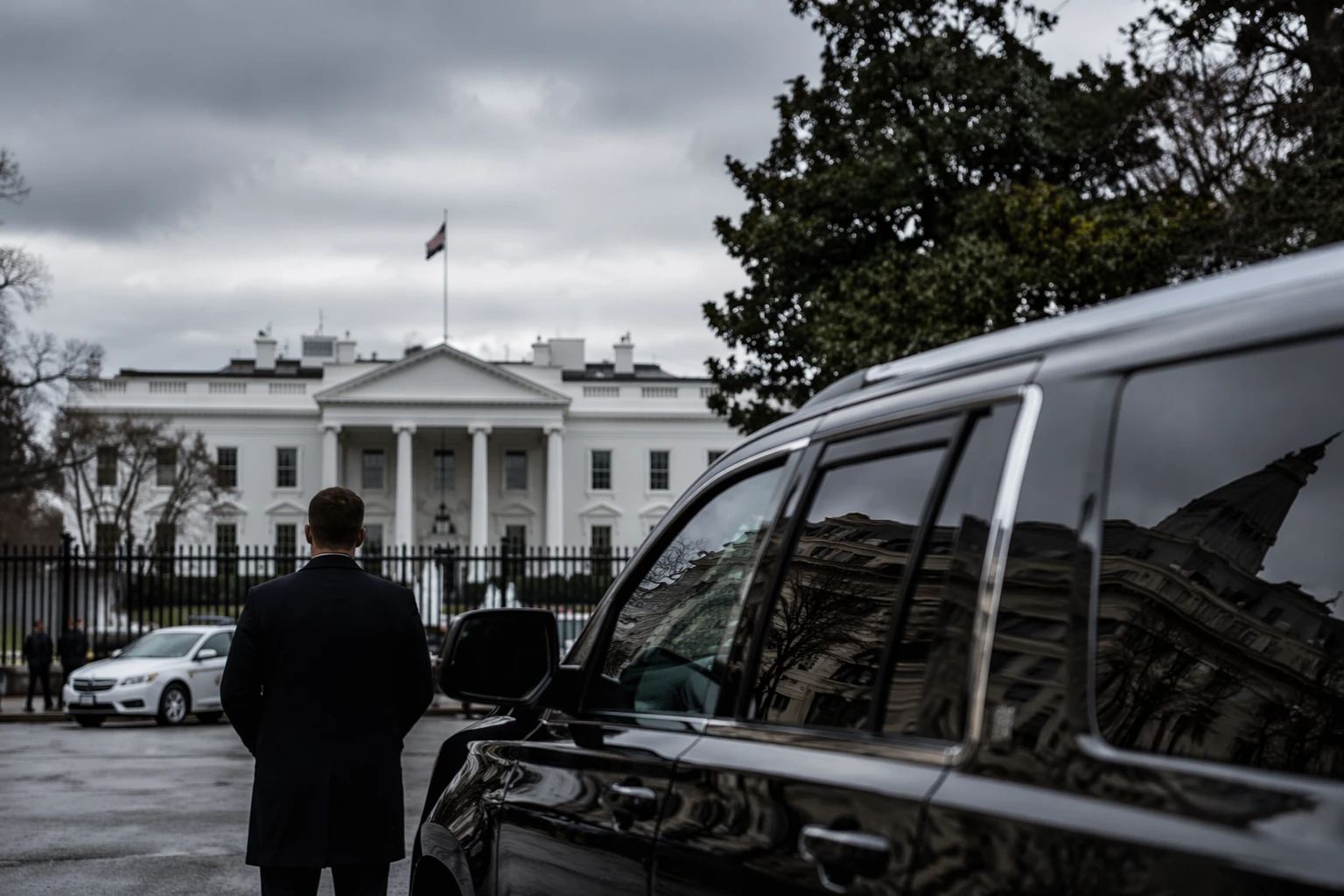
That approach has been reinforced by the White House itself. The Trump White House’s 2017 ethics order applied to executive branch appointees, not the president, leaving Trump outside the main recusal framework that governed his staff. In practice, that has left outside watchdogs to argue that his continued ownership of business interests creates an ongoing conflict that the government’s own rules do not clearly police.
The concerns deepened in Trump’s second term as Jared Kushner, Eric Trump and Donald Trump Jr. expanded their business activity. On April 16, 2026, PBS News said Trump family members were earning hundreds of millions of dollars while their ventures multiplied, including projects tied to Saudi Arabia, Qatar and the United Arab Emirates. The family’s business interests have extended to Jeddah and Doha, underscoring how far the Trump brand has pushed beyond the domestic real-estate empire that long defined the Trump Organization.
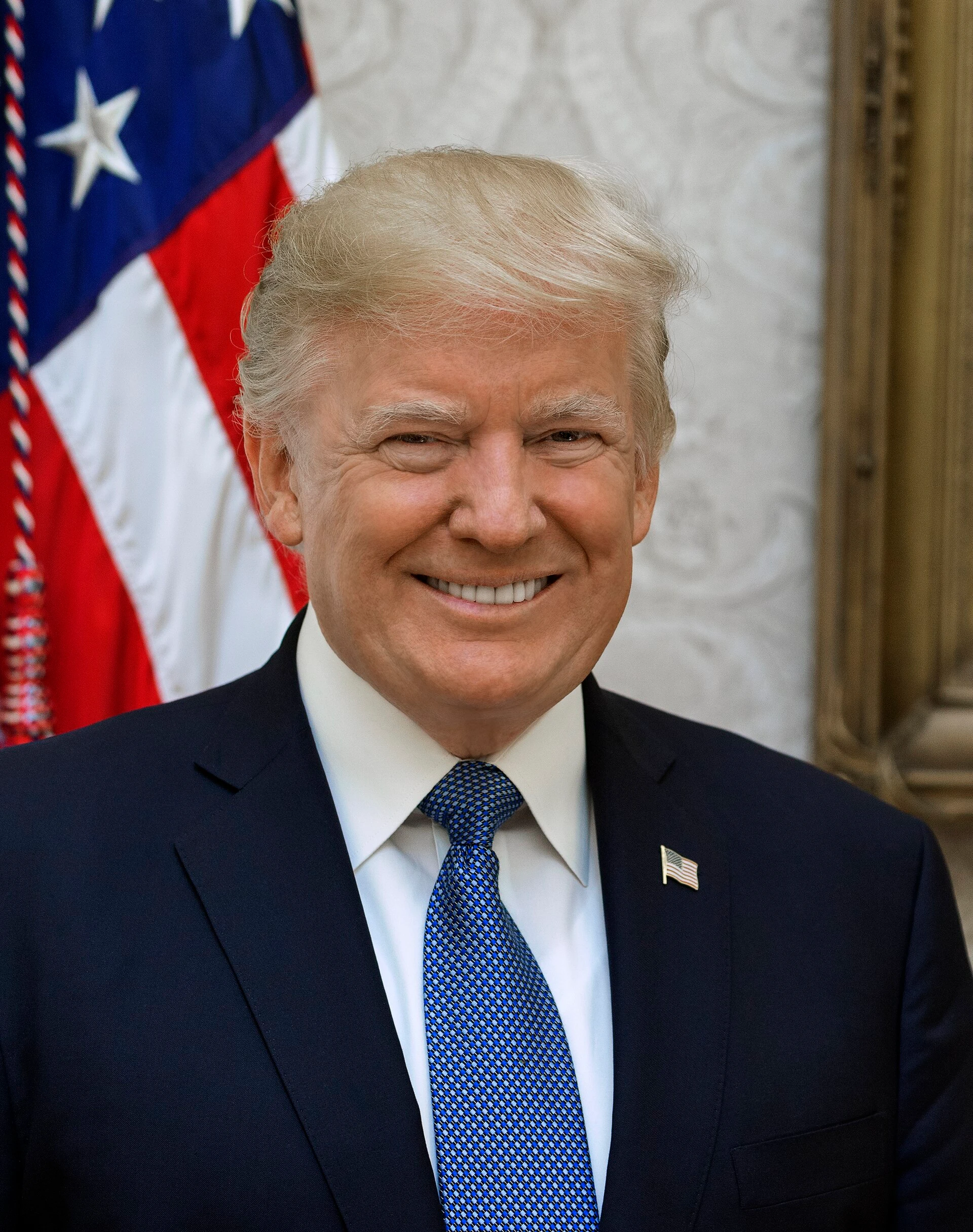
Cryptocurrency has become the sharpest flashpoint. Reuters reporting in June 2026 said the Trump family had made about $2.3 billion from crypto ventures since Trump returned to office, while outside investors lost roughly the same amount. Eight ethics experts told Reuters that the arrangement represented a conflict of interest unlike anything seen in modern American history. The basic question now is no longer whether Trump has business interests. It is whether the presidency itself is helping create the opportunities that enrich the family around it.