Entertainment
Trump Floats Performing After Artists Drop Out of D.C. Concerts
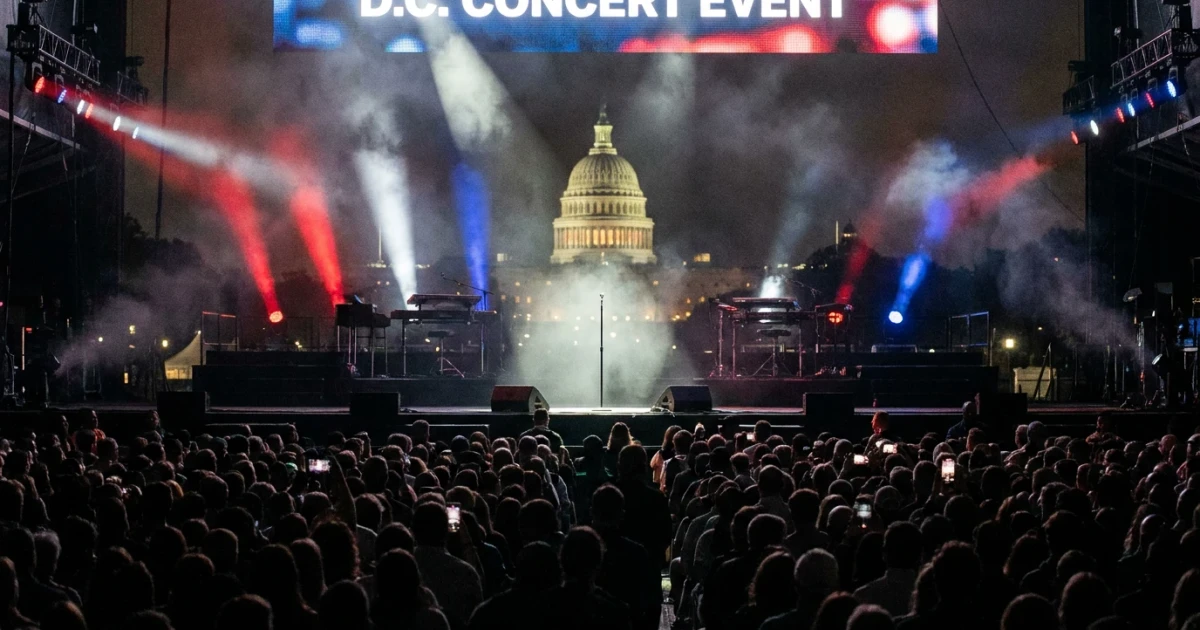
Donald Trump has responded to the withdrawal of several music artists from scheduled Washington, D.C. concerts by proposing an unusual solution: performing himself. The former president made headlines after declaring he might step in for the departing acts, calling them “third rate artists” and touting his own crowd-pulling power as greater than that of Elvis Presley.
Artists Exit D.C. Concerts, Prompting Trump’s Suggestion
According to The Hollywood Reporter, several artists recently dropped out of a series of planned concerts in the nation’s capital. While the specific names of the performers were not disclosed in the initial reporting, the withdrawals have left a gap in event programming—one Trump was quick to address. In his statement, Trump dismissed the artists as “third rate” and floated the idea of appearing in their place.
Trump’s Crowd Size Claims and Elvis Comparison
Trump’s comments included a bold claim about his own popularity, referencing the legendary Elvis Presley. Trump said he is “the man who gets larger audiences than Elvis,” positioning himself as a bigger draw than one of music’s most famous entertainers. Elvis Presley is widely recognized for drawing massive crowds throughout his career, regularly selling out venues and holding enduring records for live performance attendance.
While Trump has a history of touting large audience numbers at campaign rallies and public events, historical data on concert attendance shows that the largest music crowds in history have often been for legendary artists such as Rod Stewart, Jean-Michel Jarre, and The Rolling Stones. Major music festivals in the U.S. can attract hundreds of thousands of fans over a weekend, while political rallies rarely reach those numbers. Nonetheless, Trump’s rallies have drawn significant turnouts, with some events attracting tens of thousands of attendees.
Reactions and Context
The withdrawals of artists from politically charged events have become more common in recent years, with performers often citing disagreements with organizers or concerns about association with particular figures. In this case, Trump’s offer to perform himself—rather than seek replacement acts—underscores his penchant for the spotlight and his belief in his own star power.
The Federal Election Commission’s official filings for Trump’s campaign reveal significant expenditures on event production and entertainment, reflecting the importance of large-scale rallies and gatherings in his political strategy. However, there are no records of Trump performing in a musical capacity at such events.
Historical Perspective on Audience Size
- Elvis Presley remains one of the top-grossing and most attended artists in history, with some of his concerts drawing over 60,000 fans, such as his 1973 Aloha from Hawaii special.
- Major U.S. music festivals like Coachella and Lollapalooza have routinely seen daily attendances of 100,000 or more.
- The largest concert crowds ever recorded, according to Rolling Stone’s analysis, often top one million attendees—a scale unmatched by political events.
Trump’s remarks, therefore, appear more rhetorical than factual, but they highlight his ongoing strategy of self-promotion and leveraging controversies for media attention.
Looking Ahead
It remains to be seen whether Trump will follow through and take the stage at any upcoming D.C. concerts. The current situation underscores the intersection of entertainment and politics—a space where Trump has often thrived, using spectacle to energize supporters and draw media coverage. As the events in Washington, D.C. continue to evolve, organizers may face further challenges in securing performers willing to participate in high-profile, politically charged occasions.