World
Trump floats tolls for Strait of Hormuz despite U.S. objections
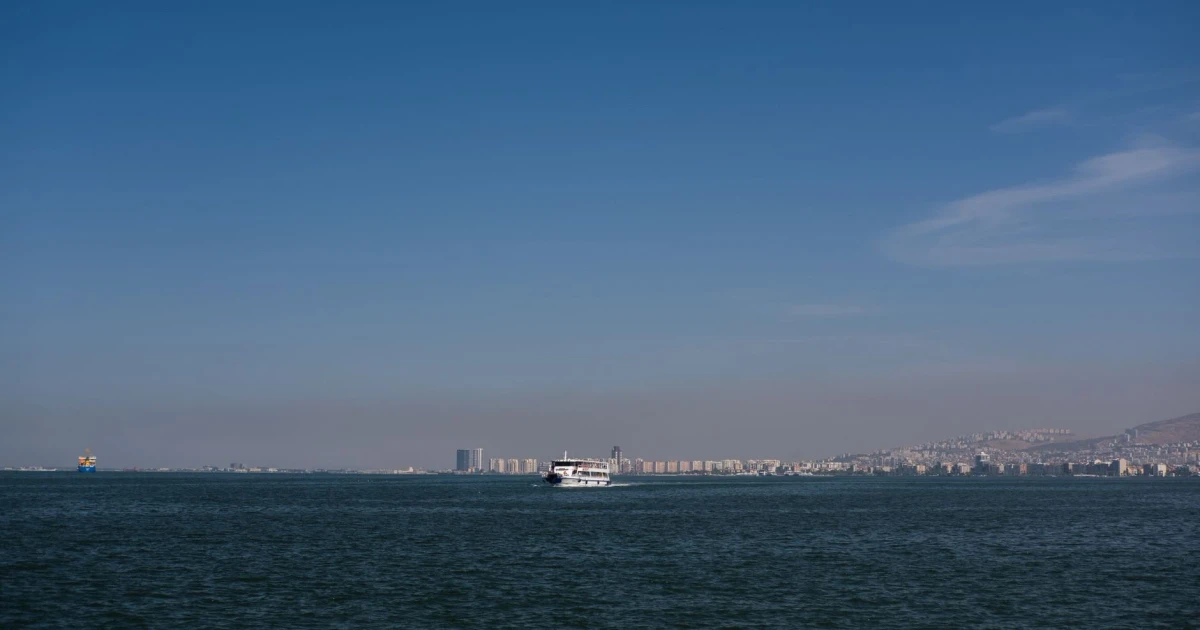
Donald Trump said the United States could collect a 20% fee on cargo moving through the Strait of Hormuz, even as Vice President JD Vance and Secretary of State Marco Rubio had said no country can unilaterally do that. The proposal landed on one of the world’s most fragile energy corridors, where even a hint of new restrictions can rattle oil and liquefied natural gas markets.
Rubio had already taken the opposite position on June 23, saying, "no country is allowed to charge tolls or fees on an international waterway," and describing Hormuz as governed by existing international law. The International Maritime Organization says the strait’s traffic separation scheme has been in place since 1968 and is jointly operated by Oman and Iran, with no legal basis for any country to impose payments, tolls, fees or discriminatory conditions on straits used for international navigation.
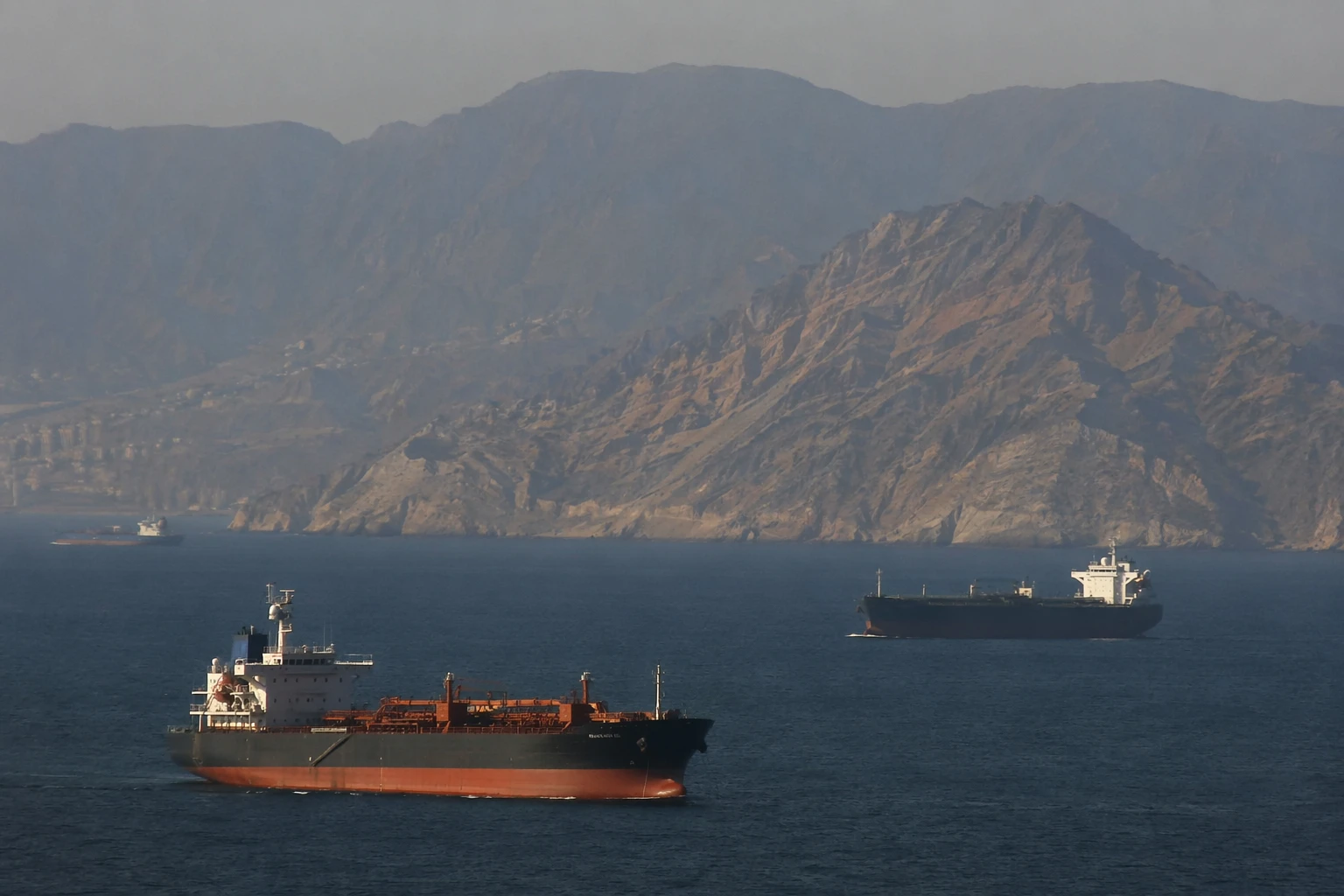
The stakes are unusually high because the strait is not symbolic. The U.S. Energy Information Administration says about 20 million barrels per day of crude oil and petroleum products flowed through Hormuz in 2025, and about 20% of global liquefied natural gas trade transited it in 2024. In an April 17 speech, IMO Secretary-General Arsenio Dominguez said roughly 20,000 seafarers and nearly 2,000 vessels were trapped in the region and urged states to reject tolls or discriminatory transit measures.
The legal fight is unfolding against an active security crisis. On July 7, a Qatari LNG tanker and a Saudi crude tanker were hit near the strait, pushing maritime authorities to raise the transit threat level to "severe." Traffic through Hormuz has remained only about one-third to one-fifth of pre-war levels after renewed fighting disrupted a fragile détente that had briefly reopened the waterway.
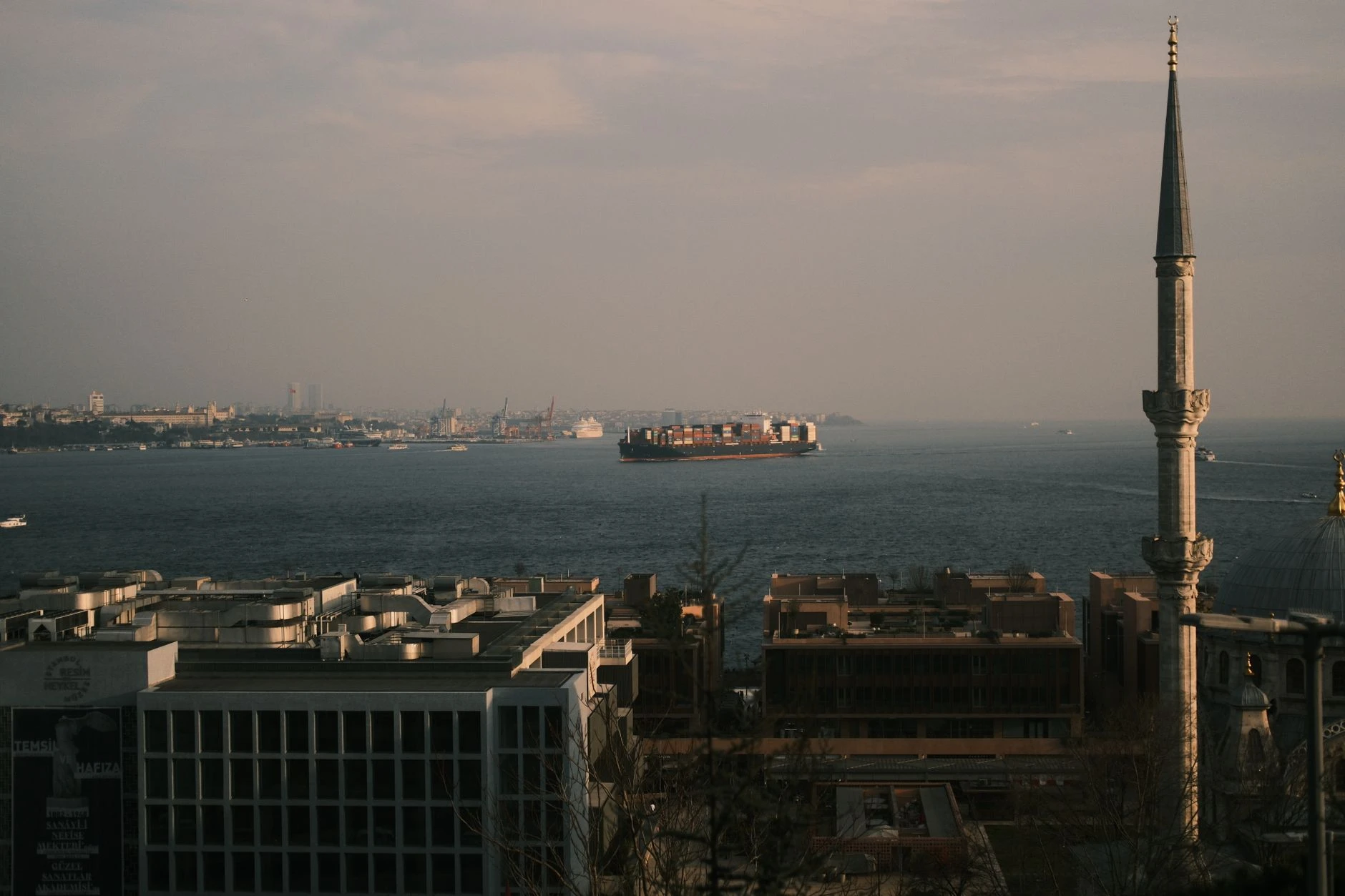
That combination of military risk and policy confusion leaves allies and shipping companies guessing about what Washington actually intends. Trump’s toll idea, Rubio’s earlier rejection of any such fee, and the threat of a naval blockade on Iranian ports point in different directions at the same time, while Iran, Oman and other Gulf players are already navigating a new maritime security order. Oman has been talking with Iran over that order using strategic ambiguity, a sign that regional intermediaries are bracing for the consequences of any move that would further squeeze one of the world’s most important energy chokepoints.
Sources
- [1]nytimes.com
- [2]imo.org
- [3]sg.news.yahoo.com
- [4]eia.gov
- [5]cnbc.com
- [6]al-monitor.com