Politics
Trump Gathers Cabinet Amid Uncertainty Over Iran Talks
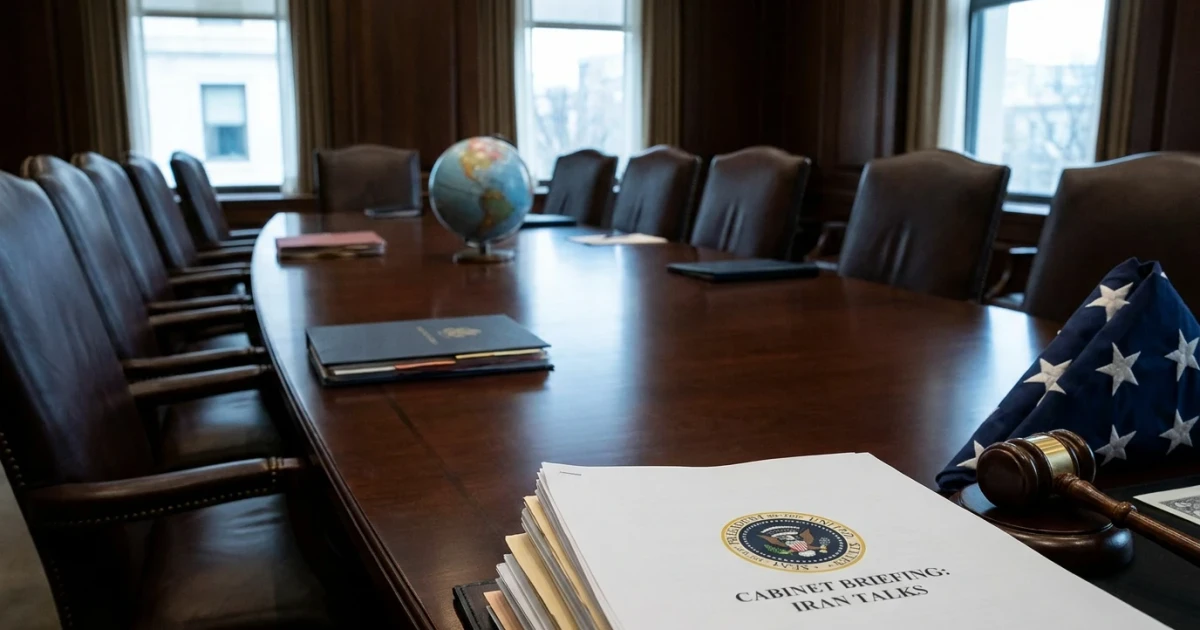
President Donald Trump convened his Cabinet on Tuesday as talks aimed at ending the ongoing war with Iran remain in a state of uncertainty. The meeting comes at a critical juncture, with diplomatic negotiations appearing stalled and the future of U.S. involvement in the region under intense scrutiny.
Diplomatic Efforts Face Challenges
According to FOX 44, the current discussions to bring an end to the hostilities between the United States and Iran are in flux, highlighting the complexities facing both governments. The Trump administration has sought to balance immediate military objectives with longer-term diplomatic solutions. Previous initiatives, such as the Senate’s passage of S.J.Res.68, a joint resolution directing the removal of U.S. Armed Forces from hostilities against Iran, reflect ongoing debate in Washington over the scope and duration of American military engagement.
Military and Strategic Considerations
As Cabinet-level discussions continue, the U.S. Department of Defense has reiterated its commitment to protecting American interests and personnel in the region. The Pentagon’s official statements emphasize the readiness of U.S. forces even as diplomatic channels remain open. Meanwhile, the Congressional Budget Office’s cost estimates for military operations underscore the significant resources at stake, with billions allocated for ongoing deployments and potential withdrawal scenarios.
- The U.S. has maintained a robust military posture in the Persian Gulf.
- Congress has debated the legal and financial implications of extended operations.
- Regional partners and international organizations, including the UN Security Council, continue to monitor compliance with sanctions and arms embargoes related to Iran.
Regional Security and International Response
The fluctuating status of negotiations has prompted concern among U.S. allies and international observers. The U.S. State Department’s terrorism reports cite Iran’s ongoing support for proxy groups and its role in regional instability. At the same time, the Congressional Research Service’s analysis of Iran’s foreign and defense policies notes Tehran’s efforts to bolster its military capabilities and leverage diplomatic pressure against U.S. interests.
International conflict data, as presented in the ACLED Conflict Data Dashboard, further illustrate the persistent violence and military actions across the region. These dynamics complicate efforts to reach a swift resolution and have heightened calls for renewed diplomacy.
Outlook Remains Unclear
While President Trump’s decision to convene his Cabinet signals the high stakes of the moment, analysts agree that the outcome of negotiations remains uncertain. With talks in flux and no clear breakthrough on the horizon, both the American public and the international community continue to watch closely for signs of progress—or escalation.
As the situation develops, official records and data resources such as those from the SIPRI Arms Transfers Database will be vital for tracking changes in military dynamics and diplomatic engagement. The coming days may prove pivotal in determining whether the United States and Iran can chart a path away from conflict and toward a sustainable peace.